
Henry and the Clubhouse (2006) Parents Guide: Is the book OK for kids?
Age Rating, Sex, Violence & Language
Henry Huggins and his friends build their very own clubhouse!
Middle Grade • 2006 • 192 pages • Lexile 670L (roughly grades 2–3 reading difficulty)
This classic mid-century children's novel follows Henry Huggins as he balances the responsibilities of his paper route with the excitement of building a clubhouse with his friends. The book is an excellent choice for independent readers aged 7-10, featuring wholesome neighborhood adventures and gentle life lessons about persistence and friendship. Parents should note there is no modern profanity, violence, or mature content, though it… Sign up for the full guide
Is Henry and the Clubhouse appropriate for kids?
This classic mid-century children's novel follows Henry Huggins as he balances the responsibilities of his paper route with the excitement of building a clubhouse with his friends. The book is an excellent choice for independent readers aged 7-10, featuring wholesome… Read more — free account
Content severity in Henry and the Clubhouse
What happens in Henry and the Clubhouse, moment by moment
- p. 12 🔥 Mature Themes 2/10
- p. 28 🔥 Mature Themes 1/10
- p. 45 🔥 Mature Themes 1/10
Sex and nudity in Henry and the Clubhouse
This category is entirely absent. There is no romantic or sexual content throughout the novel; the story focuses entirely on childhood play, domestic pet care, and neighborhood business activities. Henry Huggins and his friends are depicted in a state of pre-adolescent innocence. The narrative is suitable for young readers who are transitioning to independent chapter books. No references to physical attraction or mature relationships appear in the text.
Violence and gore in Henry and the Clubhouse
Physical violence is non-existent in this narrative, with the conflict limited to minor neighborhood friction and slapstick mishaps. Ramona Quimby acts as a recurring nuisance, such as when she accidentally locks Henry inside his own clubhouse, causing him brief distress and annoyance. A dog named Ribsy occasionally gets into mild trouble, such as when he is chased by a larger dog or gets into a scuffle over a bone. Henry experiences some physical discomfort while delivering papers in a harsh snowstorm…
Read more — free accountLanguage in Henry and the Clubhouse
The dialogue is exceptionally clean and reflective of the mid-20th-century setting. There are no modern profanities, vulgarities, or coarse anatomical references used by any characters. Occasional 1960s-era insults like 'nuisance,' 'pest,' 'dope,' or 'stupid' are exchanged between children during moments of frustration. Henry and his friends sometimes speak in a blunt manner common to young children, but the author maintains a wholesome and respectful tone. Parents will find the vocabulary appropriate for children…
Read more — free accountDrugs, alcohol, and smoking in Henry and the Clubhouse
This category is entirely absent from the story, as the narrative focuses exclusively on the innocent adventures of young neighborhood children. There is no mention of alcohol, tobacco products, or illegal substances at any point in the book. The characters' primary concerns revolve around their paper routes, building projects, and collecting junk for their clubhouse rather than any adult themes. Adult characters are shown in domestic roles, such as Mr. Huggins helping with a project, without any reference to…
Read more — free accountMature themes in Henry and the Clubhouse
The central themes revolve around responsibility and entrepreneurship as Henry manages the logistical challenges of a paper route. Gender dynamics are explored through the boys-only clubhouse rule, which causes friction with Beezus and Ramona Quimby. The story emphasizes the value of hard work, especially during the climactic snowstorm sequence where Henry must fulfill his duties despite wanting to stay warm. It also highlights the trial-and-error nature of adolescent independence and the importance of persistence…
Read more — free accountFrequently Asked Questions
Is Henry and the Clubhouse appropriate for kids?
Bontent's parent guide suggests Henry and the Clubhouse is best for ages 7+. This classic mid-century children's novel follows Henry Huggins as he balances the responsibilities of his paper route with the excitement of building a clubhouse with his friends. The book is an excellent choice for…
What age rating does Henry and the Clubhouse have?
Books don't carry official age ratings. Henry and the Clubhouse is published for a Middle Grade audience, and Bontent's independent parent guide recommends it for ages 7+.
What reading level is Henry and the Clubhouse?
Henry and the Clubhouse is 192 pages and its reading level is Lexile 670L (roughly grades 2–3 reading difficulty). Bontent recommends it for ages 7+.
What is Henry and the Clubhouse about?
This classic mid-century children's novel follows Henry Huggins as he balances the responsibilities of his paper route with the excitement of building a clubhouse with his friends. The book is an excellent choice for independent readers aged 7-10, featuring wholesome neighborhood adventures and gentle life lessons…
Is there sex or nudity in Henry and the Clubhouse?
This category is entirely absent. There is no romantic or sexual content throughout the novel; the story focuses entirely on childhood play, domestic pet care, and neighborhood business activities. Henry Huggins and his friends are depicted in a state of…
How violent is Henry and the Clubhouse?
Physical violence is non-existent in this narrative, with the conflict limited to minor neighborhood friction and slapstick mishaps. Ramona Quimby acts as a recurring nuisance, such as when she accidentally locks Henry inside his own clubhouse, causing him…
Is the language in Henry and the Clubhouse appropriate for kids?
The dialogue is exceptionally clean and reflective of the mid-20th-century setting. There are no modern profanities, vulgarities, or coarse anatomical references used by any characters. Occasional 1960s-era insults like 'nuisance,' 'pest,' 'dope,' or 'stupid'…
Are drugs, alcohol, or smoking depicted in Henry and the Clubhouse?
This category is entirely absent from the story, as the narrative focuses exclusively on the innocent adventures of young neighborhood children. There is no mention of alcohol, tobacco products, or illegal substances at any point in the book. The characters'…
What mature themes appear in Henry and the Clubhouse?
The central themes revolve around responsibility and entrepreneurship as Henry manages the logistical challenges of a paper route. Gender dynamics are explored through the boys-only clubhouse rule, which causes friction with Beezus and Ramona Quimby. The…
Where can I read the full Henry and the Clubhouse parent guide?
Create a free Bontent account to unlock page-level notes, filter by your kids' ages, and save titles to your watchlist.
Parents also checked these books for 7-year-olds
Sign up to filter


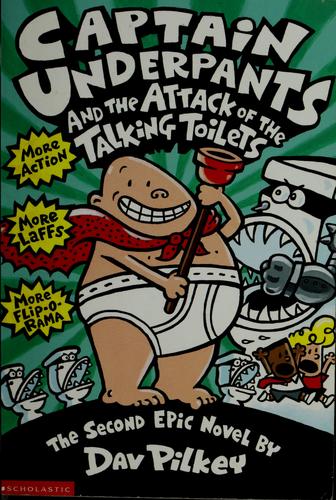


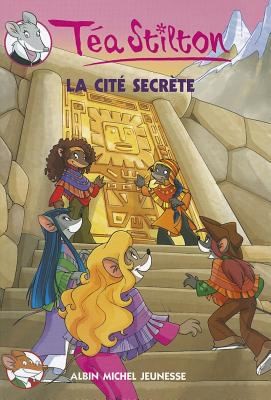


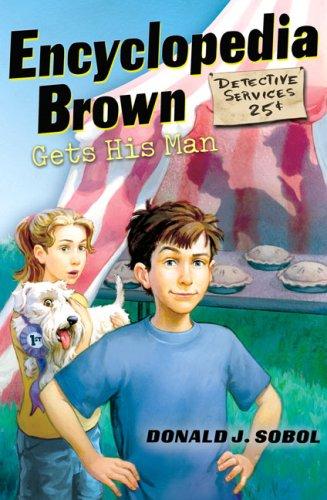


Books like Henry and the Clubhouse with similar intensity
Sign up to filter


More fiction books with parent guides
- The Dictionary of Lost Words parent guide
- Nine Lives parent guide
- Hana Khan Carries On parent guide
- Charlie the Choo-Choo parent guide
- The Return of the Young Prince parent guide
- The Name of the Wind / The Wise Man's Fear / The Slow Regard of Silent Things (The Kingkiller Chronicle #1-2.5) parent guide
- Fourth Wing (The Empyrean, #1) parent guide
- Clash of star-kings parent guide
- This House Will Feed parent guide
- The Bookshop on Rosemary Lane parent guide
- Told in letters parent guide
- Babel: Or the Necessity of Violence: An Arcane History of the Oxford Translators' Revolution parent guide
Middle Grade books parents are checking
- Black Cake parent guide
- The Hobbit, or There and Back Again parent guide
- The Lightning Thief (Percy Jackson and the Olympians #1) parent guide
- Leopardstar's Honor parent guide
- The Titan’s Curse (Percy Jackson and the Olympians, #3) parent guide
- Sayaka Murata parent guide
- The complete works of the Gawain-poet parent guide
- The Bad Beginning (A Series of Unfortunate Events #1) parent guide
- Harry Potter and the Philosopher's Stone parent guide
- Harry Potter and the Sorcerer's Stone (Harry Potter, #1) parent guide
- The Chronicles of Narnia Set parent guide
More books by Beverly Cleary
- Runaway Ralph parent guide
- The Mouse and the Motorcycle parent guide
- Ramona Quimby, Age 8 parent guide
- Beezus and Ramona parent guide
- Dear Mr. Henshaw parent guide
- Ramona the Pest parent guide
- Ramona and Her Father parent guide
- Ramona and Her Mother parent guide
- Ramona Forever parent guide
- Henry Huggins parent guide
More books with Bontent parent guides
- The Dictionary of Lost Words parent guide
- Nine Lives parent guide
- Crow parent guide
- Operation Bounce House parent guide
- Hana Khan Carries On parent guide
- Tall Oaks parent guide
- Kingdom of Shadow and Light parent guide
- The Midnight Girls parent guide
- The Hobbit, or There and Back Again parent guide
- Last One To Die parent guide
- Moon Witch, Spider King parent guide
- Ghosted: An American Story parent guide
- The Lightning Thief (Percy Jackson and the Olympians #1) parent guide
- The Return of the Young Prince parent guide
- Fourth Wing (The Empyrean, #1) parent guide
- American Gods: Tenth Anniversary (American Gods, #1) parent guide