
Ramona the Pest (1974) Parents Guide: Is the book OK for kids?
Age Rating, Sex, Violence & Language
Ramona the Pest, by Beverly Cleary, is the second book of the Ramona series and the first to focus on Ramona Quimby as the protagonist. This children's book chronicles the adventures of Ramona's first few months at kindergarten. The book's title is derived from the characterization of Ramona as a "pest" by many, including her older sister Beatrice, known as "Beezus." Ramona the Pest was first published in 1968 and featured illustrations by Louis Darling. In 2012 it was ranked number 24 on a list of the top 100 children's novels… Sign up for the full guide
Middle Grade • 1974 • 192 pages • Grade 3-4
Ramona the Pest is a classic middle grade novel that captures the anxieties and eccentricities of a five-year-old entering kindergarten. The book earns its age rating through mild schoolyard social conflicts, misunderstandings, and Ramona's impulsive behavior, such as pulling hair or refusing to stay in school. It is an ideal read-aloud or independent book for early elementary students who are navigating the rules of the classroom and… Sign up for the full guide
Is Ramona the Pest appropriate for kids?
Ramona the Pest is a classic middle grade novel that captures the anxieties and eccentricities of a five-year-old entering kindergarten. The book earns its age rating through mild schoolyard social conflicts, misunderstandings, and Ramona's impulsive behavior, such as pulling… Read more — free account
Content severity in Ramona the Pest
What happens in Ramona the Pest, moment by moment
- p. 5 🔥 Mature Themes 1/10
- p. 12 💬 Language 2/10
- p. 18 🔥 Mature Themes 1/10
Sex and nudity in Ramona the Pest
This category is completely absent from the novel. There are no romantic plotlines or sexual content of any kind, as the story focuses exclusively on the inner life of five-year-old Ramona Quimby. The closest the book comes to such themes is Ramona's innocent, albeit aggressive, playground pursuit of her classmate Davy because she wants to kiss him, which he finds annoying. This interaction is portrayed entirely as a comedic childhood game of chase rather than anything of a mature nature. The narrative remains…
Read more — free accountViolence and gore in Ramona the Pest
Physical conflict is restricted to very minor, non-malicious childhood antics and playground skirmishes. Ramona’s most aggressive act is repeatedly pulling Susan’s 'boing-boing' curls, which results in Ramona being sent to the quiet chair for discipline. Other moments include Ramona chasing Davy to catch and kiss him, which involves running and dodging, and a scene where Ramona gets her head stuck in a park fence. During the Halloween parade, there is some mild crowding and accidental jostling among the students…
Read more — free accountLanguage in Ramona the Pest
Minimal and age-appropriate for the 1960s. Words like 'pest,' 'butt-in,' 'dumb,' and 'scaredy-cat' are used to describe social frustrations. Ramona's older sister Beezus uses these terms to express her annoyance, and Ramona often repeats them or feels the sting of their labels. The teacher, Miss Binney, uses encouraging but firm language to manage the classroom, providing a model for constructive communication. The most 'offensive' language is the use of the word 'pest,' which serves as the central thematic…
Read more — free accountDrugs, alcohol, and smoking in Ramona the Pest
There is no mention of alcohol, tobacco, or illegal drugs in this story. The narrative focuses entirely on the childhood experiences and classroom environment of a five-year-old girl. Occasional mentions of domestic life might include common household items, but no substances are consumed or discussed by characters. This lack of mature content makes the book highly appropriate for its young target audience. The focus remains on snacks like crackers and milk or the excitement of a new box of crayons.
Mature themes in Ramona the Pest
The narrative explores the heavy emotional weight of childhood transitions, specifically the shift from home to the structured environment of kindergarten. Ramona struggles with intense feelings of jealousy toward Susan's curls and a deep-seated fear of being disliked by her teacher, Miss Binney. The book also touches on the concept of 'truancy' and the anxiety of losing one's identity when Ramona feels invisible behind a Halloween mask. Through these events, the book highlights the difficulty of managing big…
Read more — free accountFrequently Asked Questions
Is Ramona the Pest appropriate for kids?
Bontent's parent guide suggests Ramona the Pest is best for ages 6+. Ramona the Pest is a classic middle grade novel that captures the anxieties and eccentricities of a five-year-old entering kindergarten. The book earns its age rating through mild schoolyard social conflicts…
What age rating does Ramona the Pest have?
Books don't carry official age ratings. Ramona the Pest is published for a Middle Grade audience, and Bontent's independent parent guide recommends it for ages 6+.
What reading level is Ramona the Pest?
Ramona the Pest is 192 pages and its reading level is Grade 3-4. Bontent recommends it for ages 6+.
What is Ramona the Pest about?
Ramona the Pest is a classic middle grade novel that captures the anxieties and eccentricities of a five-year-old entering kindergarten. The book earns its age rating through mild schoolyard social conflicts, misunderstandings, and Ramona's impulsive behavior, such as pulling hair or refusing to stay in school. It is…
Is there sex or nudity in Ramona the Pest?
This category is completely absent from the novel. There are no romantic plotlines or sexual content of any kind, as the story focuses exclusively on the inner life of five-year-old Ramona Quimby. The closest the book comes to such themes is Ramona's…
How violent is Ramona the Pest?
Physical conflict is restricted to very minor, non-malicious childhood antics and playground skirmishes. Ramona’s most aggressive act is repeatedly pulling Susan’s 'boing-boing' curls, which results in Ramona being sent to the quiet chair for discipline…
Is the language in Ramona the Pest appropriate for kids?
Minimal and age-appropriate for the 1960s. Words like 'pest,' 'butt-in,' 'dumb,' and 'scaredy-cat' are used to describe social frustrations. Ramona's older sister Beezus uses these terms to express her annoyance, and Ramona often repeats them or feels the…
Are drugs, alcohol, or smoking depicted in Ramona the Pest?
There is no mention of alcohol, tobacco, or illegal drugs in this story. The narrative focuses entirely on the childhood experiences and classroom environment of a five-year-old girl. Occasional mentions of domestic life might include common household items…
What mature themes appear in Ramona the Pest?
The narrative explores the heavy emotional weight of childhood transitions, specifically the shift from home to the structured environment of kindergarten. Ramona struggles with intense feelings of jealousy toward Susan's curls and a deep-seated fear of being…
Where can I read the full Ramona the Pest parent guide?
Create a free Bontent account to unlock page-level notes, filter by your kids' ages, and save titles to your watchlist.
Parents also checked these books for 6-year-olds
Sign up to filter

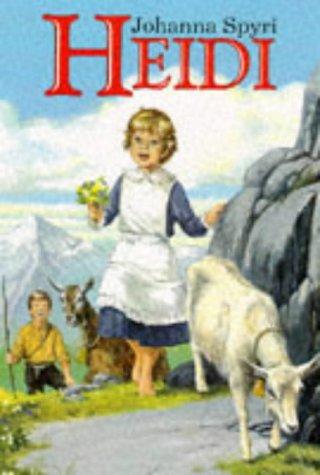


Books like Ramona the Pest with similar intensity
Sign up to filter
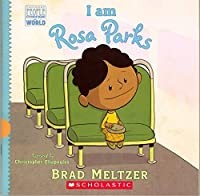


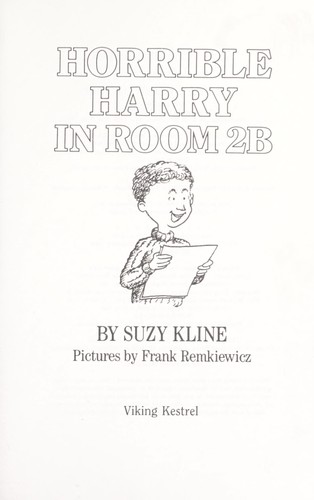

Less intense books for families
Sign up to filter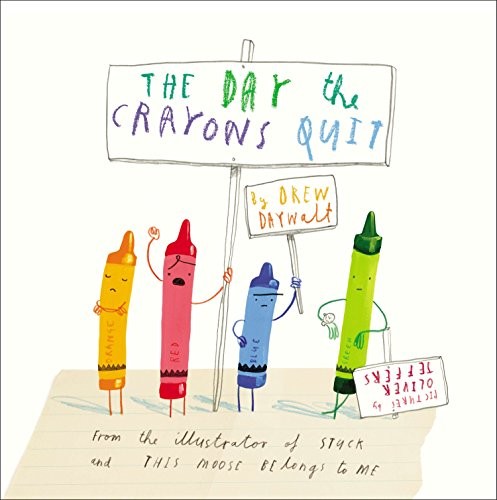







More classics books with parent guides
- The Dictionary of Lost Words parent guide
- Nine Lives parent guide
- Hana Khan Carries On parent guide
- Charlie the Choo-Choo parent guide
- The Return of the Young Prince parent guide
- The Name of the Wind / The Wise Man's Fear / The Slow Regard of Silent Things (The Kingkiller Chronicle #1-2.5) parent guide
- Clash of star-kings parent guide
- This House Will Feed parent guide
- The Bookshop on Rosemary Lane parent guide
- Told in letters parent guide
- Babel: Or the Necessity of Violence: An Arcane History of the Oxford Translators' Revolution parent guide
- The Titan’s Curse (Percy Jackson and the Olympians, #3) parent guide
Middle Grade books parents are checking
- Black Cake parent guide
- The Hobbit, or There and Back Again parent guide
- Leopardstar's Honor parent guide
- Sayaka Murata parent guide
- The complete works of the Gawain-poet parent guide
- The Bad Beginning (A Series of Unfortunate Events #1) parent guide
- Harry Potter and the Philosopher's Stone parent guide
- Harry Potter and the Sorcerer's Stone (Harry Potter, #1) parent guide
- The Chronicles of Narnia Set parent guide
- Hilo Book 8 parent guide
More books by Beverly Cleary
- Runaway Ralph parent guide
- The Mouse and the Motorcycle parent guide
- Ramona Quimby, Age 8 parent guide
- Beezus and Ramona parent guide
- Dear Mr. Henshaw parent guide
- Ramona and Her Father parent guide
- Ramona and Her Mother parent guide
- Ramona Forever parent guide
- Henry Huggins parent guide
- Henry and Ribsy parent guide
More books with Bontent parent guides
- The Dictionary of Lost Words parent guide
- Tall Oaks parent guide
- The Midnight Girls parent guide
- Charlie the Choo-Choo parent guide
- Clash of star-kings parent guide
- Blake Crouch's Dark Matter parent guide
- The Bookshop on Rosemary Lane parent guide
- Before They Are Hanged (The First Law, #2) parent guide
- 2001: A Space Odyssey parent guide
- The man from up there parent guide
- The contemporary Negro novel parent guide
- Onyx Storm (The Empyrean, #3) parent guide
- The complete works of the Gawain-poet parent guide
- Harry Potter and the Sorcerer's Stone (Harry Potter, #1) parent guide
- 6 great short novels of science fiction parent guide
- With This Ring? parent guide