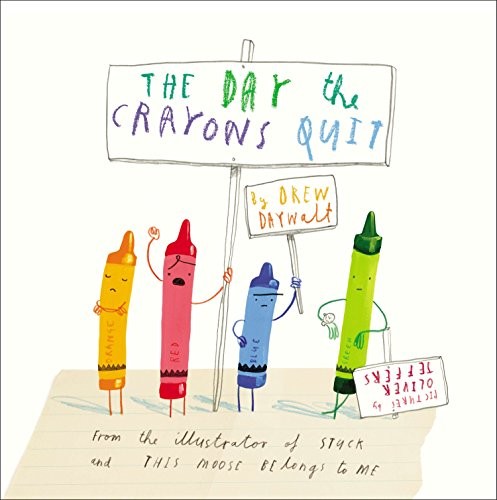
The Day the Crayons Quit (2013) Parents Guide: Is the book OK for kids?
Age Rating, Sex, Violence & Language
When Duncan arrives at school one morning, he finds a stack of letters, one from each of his crayons, complaining about how he uses them.
Picture Book • 2013 • 32 pages • Ages 4-8
The Day the Crayons Quit is a humorous epistolary picture book in which Duncan's crayons write letters of complaint about how they're used — overworked blue, neglected white, feuding orange and yellow. The humor includes one running joke about the 'naked' peach crayon whose wrapper was peeled off, which is entirely innocent. No violence, language, or substances; great for ages 4-8.
Is The Day the Crayons Quit appropriate for kids?
The Day the Crayons Quit is a humorous epistolary picture book in which Duncan's crayons write letters of complaint about how they're used — overworked blue, neglected white, feuding orange and yellow. The humor includes one running joke about the 'naked' peach crayon whose… Read more — free account
Content severity in The Day the Crayons Quit
What happens in The Day the Crayons Quit, moment by moment
- p. 4 🔥 Mature Themes 1/10
- p. 6 🔥 Mature Themes 1/10
- p. 10 🔥 Mature Themes 1/10
Sex and nudity in The Day the Crayons Quit
This picture book is entirely free of sexual content or romantic themes. The only element that touches on physical modesty is a running visual gag involving the Peach Crayon, who has had its paper wrapper peeled off. Peach writes a letter expressing deep embarrassment about being 'naked' and refuses to leave the box because of this exposure. This is intended as a wholesome and humorous personification of a common childhood occurrence with art supplies. Parents can treat this as a lighthearted joke about…
Read more — free accountViolence and gore in The Day the Crayons Quit
There is no physical violence, aggression, or scary content depicted in the illustrations or text. The central conflict is purely verbal, expressed through the medium of handwritten letters from the crayons to their owner, Duncan. While some crayons express frustration or annoyance about being overworked, there are no threats or harmful actions taken by any character. The tone remains whimsical and safe for toddlers and preschool-aged children. The book focuses on emotional expression rather than physical…
Read more — free accountLanguage in The Day the Crayons Quit
The book contains no profanity, insults, or inappropriate language of any kind. The crayons use clear, descriptive, and expressive vocabulary such as 'complain,' 'tired,' and 'empty' to articulate their feelings. The letters are written in a style that mimics a child's handwriting, making it relatable for early readers. The text is ideal for reading aloud in a home or classroom setting. It encourages children to use their words to resolve frustrations in a polite, albeit humorous, manner.
Drugs, alcohol, and smoking in The Day the Crayons Quit
There are no references to alcohol, tobacco, or illegal substances within the story. The characters are anthropomorphized inanimate objects whose only concerns involve their usage in Duncan's coloring books. The illustrations depict standard childhood scenes such as fire trucks, dragons, and suns without any mature imagery. The narrative stays strictly within the realm of childhood creativity and imagination. It provides a wholesome reading experience devoid of any adult-oriented habits.
Mature themes in The Day the Crayons Quit
The primary themes involve fairness, the importance of listening to others' perspectives, and creative problem-solving. Each crayon presents a unique grievance—Red is exhausted from working on holidays, while White feels invisible because he is only used on white paper. The feud between Orange and Yellow highlights how petty arguments can arise when two parties feel entitled to the same role. Duncan ultimately resolves the conflict through empathy and innovation, creating a final masterpiece that validates every…
Read more — free accountFrequently Asked Questions
Is The Day the Crayons Quit appropriate for kids?
Bontent's parent guide suggests The Day the Crayons Quit is best for ages 4+. The Day the Crayons Quit is a humorous epistolary picture book in which Duncan's crayons write letters of complaint about how they're used — overworked blue, neglected white, feuding orange and yellow. The humor…
What age rating does The Day the Crayons Quit have?
Books don't carry official age ratings. The Day the Crayons Quit is published for a Picture Book audience, and Bontent's independent parent guide recommends it for ages 4+.
What reading level is The Day the Crayons Quit?
The Day the Crayons Quit is 32 pages and its reading level is Ages 4-8. Bontent recommends it for ages 4+.
What is The Day the Crayons Quit about?
The Day the Crayons Quit is a humorous epistolary picture book in which Duncan's crayons write letters of complaint about how they're used — overworked blue, neglected white, feuding orange and yellow. The humor includes one running joke about the 'naked' peach crayon whose wrapper was peeled off, which is entirely…
Is there sex or nudity in The Day the Crayons Quit?
This picture book is entirely free of sexual content or romantic themes. The only element that touches on physical modesty is a running visual gag involving the Peach Crayon, who has had its paper wrapper peeled off. Peach writes a letter expressing deep…
How violent is The Day the Crayons Quit?
There is no physical violence, aggression, or scary content depicted in the illustrations or text. The central conflict is purely verbal, expressed through the medium of handwritten letters from the crayons to their owner, Duncan. While some crayons express…
Is the language in The Day the Crayons Quit appropriate for kids?
The book contains no profanity, insults, or inappropriate language of any kind. The crayons use clear, descriptive, and expressive vocabulary such as 'complain,' 'tired,' and 'empty' to articulate their feelings. The letters are written in a style that mimics…
Are drugs, alcohol, or smoking depicted in The Day the Crayons Quit?
There are no references to alcohol, tobacco, or illegal substances within the story. The characters are anthropomorphized inanimate objects whose only concerns involve their usage in Duncan's coloring books. The illustrations depict standard childhood scenes…
What mature themes appear in The Day the Crayons Quit?
The primary themes involve fairness, the importance of listening to others' perspectives, and creative problem-solving. Each crayon presents a unique grievance—Red is exhausted from working on holidays, while White feels invisible because he is only used on…
Where can I read the full The Day the Crayons Quit parent guide?
Create a free Bontent account to unlock page-level notes, filter by your kids' ages, and save titles to your watchlist.
Parents also checked these books for 4-year-olds
Sign up to filter







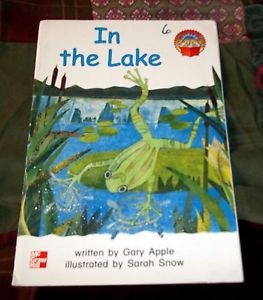

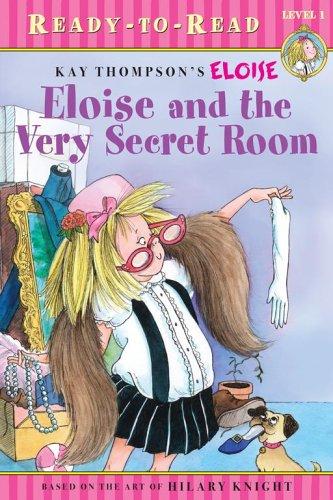

Books like The Day the Crayons Quit with similar intensity
Sign up to filter


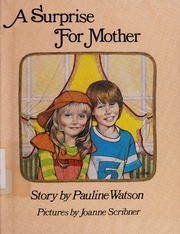


More fiction books with parent guides
- The Dictionary of Lost Words parent guide
- Nine Lives parent guide
- Hana Khan Carries On parent guide
- Charlie the Choo-Choo parent guide
- The Return of the Young Prince parent guide
- The Name of the Wind / The Wise Man's Fear / The Slow Regard of Silent Things (The Kingkiller Chronicle #1-2.5) parent guide
- Clash of star-kings parent guide
- This House Will Feed parent guide
- The Bookshop on Rosemary Lane parent guide
- Told in letters parent guide
- Babel: Or the Necessity of Violence: An Arcane History of the Oxford Translators' Revolution parent guide
- The Titan’s Curse (Percy Jackson and the Olympians, #3) parent guide
Picture Book books parents are checking
- The Thursday Murder Club, #2: The Man Who Died Twice parent guide
- Illuminae (The Illuminae Files, #1) parent guide
- Yours Truly (Part of Your World, #2) parent guide
- DIARY OF A WIMPY KID parent guide
- Lamb: The Gospel According to Biff, Christ's Childhood Pal parent guide
- Finlay Donovan Is Killing It (Finlay Donovan, #1) parent guide
- This is Going to Hurt: Secret Diaries of a Junior Doctor parent guide
- Frankenstein: The 1818 Text parent guide
- The Devil Wears Prada (The Devil Wears Prada, #1) parent guide
- You Are Not a Cat! parent guide
More books with Bontent parent guides
- Sunrise on the Reaping parent guide
- The Dictionary of Lost Words parent guide
- Tall Oaks parent guide
- The Midnight Girls parent guide
- Babel: Or the Necessity of Violence: An Arcane History of the Oxford Translators' Revolution parent guide
- Before They Are Hanged (The First Law, #2) parent guide
- Atomic Habits parent guide
- The man from up there parent guide
- The Dark Tower II: The Drawing of the Three (The Dark Tower, #2) parent guide
- Harry Potter parent guide
- Harry Potter and the Sorcerer's Stone (Harry Potter, #1) parent guide
- Arena 13 parent guide
- The Subtle Art of Not Giving a F*ck parent guide
- The Collapsing Empire (The Interdependency, #1) parent guide
- DIARY OF A WIMPY KID parent guide
- EXTREME OWNERSHIP parent guide