
Thank you, Mr. Falker (2006) Parents Guide: Is the book OK for kids?
Age Rating, Sex, Violence & Language
jk,cksjiflkbvjfjkvbsvbjkvbkjvkjxjkvnjnkdvjkjv
Picture Book • 2006 • 32 pages • Lexile AD 650L (adult-directed content — roughly grades 2–3 reading difficulty)
This autobiographical picture book is a sentimental and emotionally resonant story about a young girl named Trisha who struggles with a learning disability (dyslexia). It is recommended for elementary-aged children due to its heavy focus on bullying and the emotional distress of academic failure, though it concludes with a powerful message of hope and teacher mentorship. Parents should be aware of scenes where classmates cruelly mock… Sign up for the full guide
Is Thank you, Mr. Falker appropriate for kids?
This autobiographical picture book is a sentimental and emotionally resonant story about a young girl named Trisha who struggles with a learning disability (dyslexia). It is recommended for elementary-aged children due to its heavy focus on bullying and the emotional distress of… Read more — free account
Content severity in Thank you, Mr. Falker
What happens in Thank you, Mr. Falker, moment by moment
- p. 4 🔥 Mature Themes 1/10
- p. 6 🔥 Mature Themes 2/10
- p. 8 💬 Language 2/10
Sex and nudity in Thank you, Mr. Falker
There is no romantic or sexual content in this picture book whatsoever. The story remains focused entirely on Trisha's early childhood education and her personal growth through literacy. Even as Trisha grows older in the final epilogue, the narrative stays strictly biographical regarding her career. The tone is wholesome and educational, emphasizing the bond between a mentor and a student. Parents will find this content entirely safe for young readers who are exploring themes of school and self-esteem.
Violence and gore in Thank you, Mr. Falker
Violence is strictly limited to social aggression and the intimidating behaviors associated with childhood bullying. A boy named Eric acts as the primary antagonist, using his physical presence to corner Trisha in dark areas like the space under the school stairs. While no physical blows are exchanged, the threat of physical harm is used to emphasize Trisha's vulnerability. These scenes are meant to illustrate the emotional weight of being targeted by peers. The illustrations depict Trisha huddling in fear, which…
Read more — free accountLanguage in Thank you, Mr. Falker
This book includes mild insults that carry significant emotional weight within the context of the story. Trisha is repeatedly called names like 'dummy' and 'stupid' by her classmates, particularly during scenes on the playground and in the hallway. A boy named Eric leads a group in a rhythmic chant of 'Dummy, dummy, dummy' which causes Trisha to cry. There are no profanities or vulgarities present in the text. The focus is entirely on how derogatory labels can hurt a child's confidence and perception of their own…
Read more — free accountDrugs, alcohol, and smoking in Thank you, Mr. Falker
There is no use of alcohol, tobacco, or illegal drugs in this book. The story is set in a mid-20th-century school and domestic environment where such topics are never introduced. Even in scenes involving Trisha's family and grandparents, there are no mentions of celebratory drinks or adult substances. The narrative remains focused on academic struggles and the process of learning to read. Parents can feel confident that the book adheres to standard picture book expectations regarding substance-free content.
Mature themes in Thank you, Mr. Falker
The book explores the heavy emotional themes of hidden disabilities, specifically dyslexia, and the isolation that comes with academic failure. Trisha suffers from deep shame and believes she is 'wrong' because she cannot decipher letters like her peers do. The narrative also highlights the profound impact of a supportive adult, as Mr. Falker provides the mentorship needed to overcome these obstacles. It touches on themes of grief when Trisha loses her supportive grandparents, who were her initial sources of…
Read more — free accountFrequently Asked Questions
Is Thank you, Mr. Falker appropriate for kids?
Bontent's parent guide suggests Thank you, Mr. Falker is best for ages 7+. This autobiographical picture book is a sentimental and emotionally resonant story about a young girl named Trisha who struggles with a learning disability (dyslexia). It is recommended for elementary-aged children due…
What age rating does Thank you, Mr. Falker have?
Books don't carry official age ratings. Thank you, Mr. Falker is published for a Picture Book audience, and Bontent's independent parent guide recommends it for ages 7+.
What reading level is Thank you, Mr. Falker?
Thank you, Mr. Falker is 32 pages and its reading level is Lexile AD 650L (adult-directed content — roughly grades 2–3 reading difficulty). Bontent recommends it for ages 7+.
What is Thank you, Mr. Falker about?
This autobiographical picture book is a sentimental and emotionally resonant story about a young girl named Trisha who struggles with a learning disability (dyslexia). It is recommended for elementary-aged children due to its heavy focus on bullying and the emotional distress of academic failure, though it concludes…
Is there sex or nudity in Thank you, Mr. Falker?
There is no romantic or sexual content in this picture book whatsoever. The story remains focused entirely on Trisha's early childhood education and her personal growth through literacy. Even as Trisha grows older in the final epilogue, the narrative stays…
How violent is Thank you, Mr. Falker?
Violence is strictly limited to social aggression and the intimidating behaviors associated with childhood bullying. A boy named Eric acts as the primary antagonist, using his physical presence to corner Trisha in dark areas like the space under the school…
Is the language in Thank you, Mr. Falker appropriate for kids?
This book includes mild insults that carry significant emotional weight within the context of the story. Trisha is repeatedly called names like 'dummy' and 'stupid' by her classmates, particularly during scenes on the playground and in the hallway. A boy…
Are drugs, alcohol, or smoking depicted in Thank you, Mr. Falker?
There is no use of alcohol, tobacco, or illegal drugs in this book. The story is set in a mid-20th-century school and domestic environment where such topics are never introduced. Even in scenes involving Trisha's family and grandparents, there are no mentions…
What mature themes appear in Thank you, Mr. Falker?
The book explores the heavy emotional themes of hidden disabilities, specifically dyslexia, and the isolation that comes with academic failure. Trisha suffers from deep shame and believes she is 'wrong' because she cannot decipher letters like her peers do…
Where can I read the full Thank you, Mr. Falker parent guide?
Create a free Bontent account to unlock page-level notes, filter by your kids' ages, and save titles to your watchlist.
Parents also checked these books for 7-year-olds
Sign up to filter


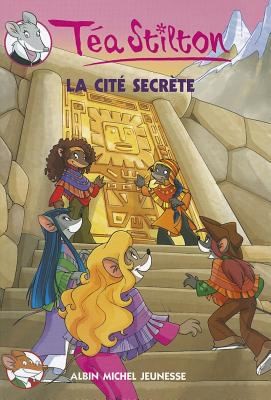


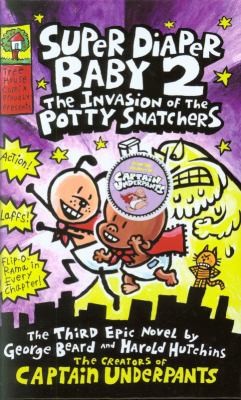


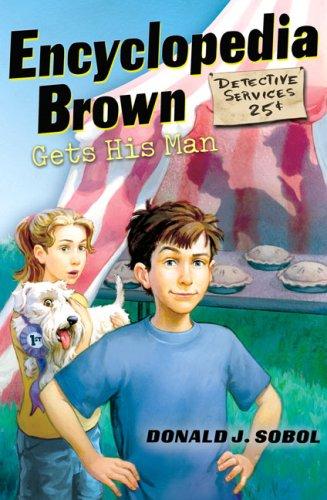


Books like Thank you, Mr. Falker with similar intensity
Sign up to filter




More non-fiction books with parent guides
- The Dictionary of Lost Words parent guide
- Nine Lives parent guide
- Hana Khan Carries On parent guide
- Last One To Die parent guide
- Charlie the Choo-Choo parent guide
- The Return of the Young Prince parent guide
- The Name of the Wind / The Wise Man's Fear / The Slow Regard of Silent Things (The Kingkiller Chronicle #1-2.5) parent guide
- Clash of star-kings parent guide
- This House Will Feed parent guide
- The Bookshop on Rosemary Lane parent guide
- Atomic Habits: An Easy & Proven Way to Build Good Habits & Break Bad Ones parent guide
- Told in letters parent guide
Picture Book books parents are checking
- The Ballad of Songbirds and Snakes (The Hunger Games, #0) parent guide
- Heartstopper (Heartstopper #1) parent guide
- Heartstopper (Vol. 1) parent guide
- Blood of Elves (The Witcher, #1) parent guide
- The Shadow of the Wind (The Cemetery of Forgotten Books, #1) parent guide
- Scythe (Arc of a Scythe, #1) parent guide
- Harry Potter parent guide
- Harry Potter and the Philosopher's Stone parent guide
- Jonathan Strange & Mr Norrell parent guide
More books by Patricia Polacco
More books with Bontent parent guides
- The Dictionary of Lost Words parent guide
- Charged parent guide
- Charlie the Choo-Choo parent guide
- Clash of star-kings parent guide
- Blake Crouch's Dark Matter parent guide
- The Bookshop on Rosemary Lane parent guide
- Atomic Habits: An Easy & Proven Way to Build Good Habits & Break Bad Ones parent guide
- Babel: Or the Necessity of Violence: An Arcane History of the Oxford Translators' Revolution parent guide
- The ballad of the hundred days parent guide
- The man from up there parent guide
- Blood of Elves (The Witcher, #1) parent guide
- The Christmas Stories [8 stories] parent guide
- Onyx Storm (The Empyrean, #3) parent guide
- A century of the English novel parent guide
- Harry Potter and the Sorcerer's Stone (Harry Potter, #1) parent guide
- Tower of Dawn (Throne of Glass, #6) parent guide