
The True Story of the Three Little Pigs (2014) Parents Guide: Is the book OK for kids?
Age Rating, Sex, Violence & Language
Goodreads Review: **You thought you knew the story of the “The Three Little Pigs”… You thought wrong.** In this **hysterical and clever fracture fairy tale picture book that twists point** of view and perspective, young readers will finally hear the other side of the story of “The Three Little Pigs.” “**In this humorous story, Alexander T. Wolf tells his own outlandish version** of what really happens during his encounter with the three pigs…. Smith's simplistic and wacky illustrations add to the effectiveness of this… Sign up for the full guide
Picture Book • 2014 • 32 pages • Lexile 510L (roughly grades 2–3 reading difficulty)
This picture book is a humorous, fractured fairy tale that retells the classic story from the perspective of Alexander T. Wolf, who claims he was framed. The book is best suited for children ages 6-10 who are familiar with the original story and can appreciate the irony of an unreliable narrator. While the wolf's actions result in the deaths of two pigs, the violence is handled with slapstick humor and stylized, wacky illustrations… Sign up for the full guide
Is The True Story of the Three Little Pigs appropriate for kids?
This picture book is a humorous, fractured fairy tale that retells the classic story from the perspective of Alexander T. Wolf, who claims he was framed. The book is best suited for children ages 6-10 who are familiar with the original story and can appreciate the irony of an… Read more — free account
Content severity in The True Story of the Three Little Pigs
What happens in The True Story of the Three Little Pigs, moment by moment
- p. 2 🔥 Mature Themes 2/10
- p. 8 ⚔ Violence & Gore 3/10
- p. 10 ⚔ Violence & Gore 4/10
Sex and nudity in The True Story of the Three Little Pigs
There is a complete absence of sexual or romantic content in this children's picture book. The story focuses entirely on the wolf's unreliable legal defense and his interactions with the pigs. No suggestive themes, nudity, or relationships are featured in the text or illustrations. The narrative remains focused on A. Wolf's quest for a cup of sugar and the subsequent property damage. Parents need not worry about any romantic subplots or inappropriate physical content in this fractured fairy tale.
Violence and gore in The True Story of the Three Little Pigs
Mild and comedic. The wolf accidentally sneezes houses down, resulting in the death of two pigs. He then eats the pigs because, as he explains, 'it would be a shame to let a perfectly good ham dinner go to waste.' Illustrations show the pigs' tails sticking out of the rubble, played for dark humor rather than horror. The third pig is not eaten, but the wolf’s attempt to get inside the brick house leads to a frantic scene with police. The overall tone is slapstick, treating the 'deaths' of the pigs as…
Read more — free accountLanguage in The True Story of the Three Little Pigs
Very mild. The wolf uses words like 'chump' and discusses being a 'victim' of a frame-up. He refers to the first pig as 'not too bright' and the third pig as 'impolite.' The third pig insults the wolf's grandmother, which triggers a significant emotional response from A. Wolf. There are no profanities or aggressive slurs present in the text. The vocabulary is slightly elevated, introducing legal terms like 'framed' and 'sensationalized' to young readers.
Drugs, alcohol, and smoking in The True Story of the Three Little Pigs
The book contains no references to alcohol, tobacco, or illegal substances. Characters are not shown using any drugs, and the plot remains strictly focused on the wolf's quest for a cup of sugar. The behavior of the wolf is attributed to a common cold rather than any form of intoxication. He mentions needing sugar to bake a cake for his grandmother, a wholesome and domestic motivation. No scenes take place in bars or adult-oriented environments, keeping the content appropriate for early elementary students.
Mature themes in The True Story of the Three Little Pigs
Perspective, irony, and the 'unreliable narrator.' The story encourages children to think about how events change depending on who is telling the story and whether a narrator is telling the whole truth. A. Wolf portrays himself as a polite neighbor suffering from a cold, which contrasts sharply with the traditional 'Big Bad Wolf' persona. This creates an opportunity to discuss media bias and how reporters 'jazz up' stories to sell newspapers. The themes are presented through humor, making the concept of subjective…
Read more — free accountFrequently Asked Questions
Is The True Story of the Three Little Pigs appropriate for kids?
Bontent's parent guide suggests The True Story of the Three Little Pigs is best for ages 6+. This picture book is a humorous, fractured fairy tale that retells the classic story from the perspective of Alexander T. Wolf, who claims he was framed. The book is best suited for children ages 6-10 who are familiar…
What age rating does The True Story of the Three Little Pigs have?
Books don't carry official age ratings. The True Story of the Three Little Pigs is published for a Picture Book audience, and Bontent's independent parent guide recommends it for ages 6+.
What reading level is The True Story of the Three Little Pigs?
The True Story of the Three Little Pigs is 32 pages and its reading level is Lexile 510L (roughly grades 2–3 reading difficulty). Bontent recommends it for ages 6+.
What is The True Story of the Three Little Pigs about?
This picture book is a humorous, fractured fairy tale that retells the classic story from the perspective of Alexander T. Wolf, who claims he was framed. The book is best suited for children ages 6-10 who are familiar with the original story and can appreciate the irony of an unreliable narrator. While the wolf's…
Is there sex or nudity in The True Story of the Three Little Pigs?
There is a complete absence of sexual or romantic content in this children's picture book. The story focuses entirely on the wolf's unreliable legal defense and his interactions with the pigs. No suggestive themes, nudity, or relationships are featured in the…
How violent is The True Story of the Three Little Pigs?
Mild and comedic. The wolf accidentally sneezes houses down, resulting in the death of two pigs. He then eats the pigs because, as he explains, 'it would be a shame to let a perfectly good ham dinner go to waste.' Illustrations show the pigs' tails sticking…
Is the language in The True Story of the Three Little Pigs appropriate for kids?
Very mild. The wolf uses words like 'chump' and discusses being a 'victim' of a frame-up. He refers to the first pig as 'not too bright' and the third pig as 'impolite.' The third pig insults the wolf's grandmother, which triggers a significant emotional…
Are drugs, alcohol, or smoking depicted in The True Story of the Three Little Pigs?
The book contains no references to alcohol, tobacco, or illegal substances. Characters are not shown using any drugs, and the plot remains strictly focused on the wolf's quest for a cup of sugar. The behavior of the wolf is attributed to a common cold rather…
What mature themes appear in The True Story of the Three Little Pigs?
Perspective, irony, and the 'unreliable narrator.' The story encourages children to think about how events change depending on who is telling the story and whether a narrator is telling the whole truth. A. Wolf portrays himself as a polite neighbor suffering…
Where can I read the full The True Story of the Three Little Pigs parent guide?
Create a free Bontent account to unlock page-level notes, filter by your kids' ages, and save titles to your watchlist.
Parents also checked these books for 6-year-olds
Sign up to filter
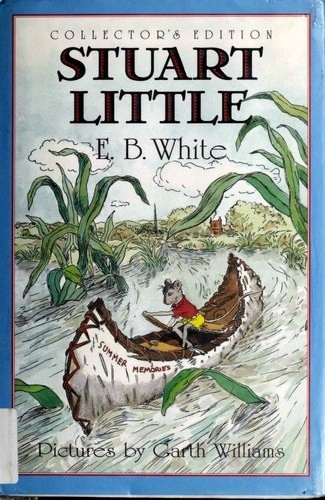


Books like The True Story of the Three Little Pigs with similar intensity
Sign up to filter


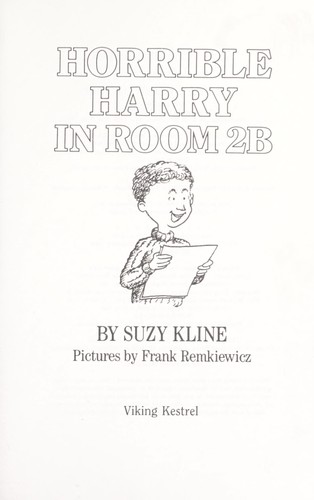

Less intense books for families
Sign up to filter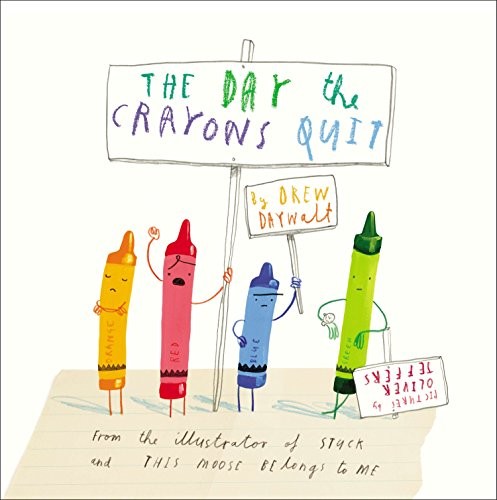
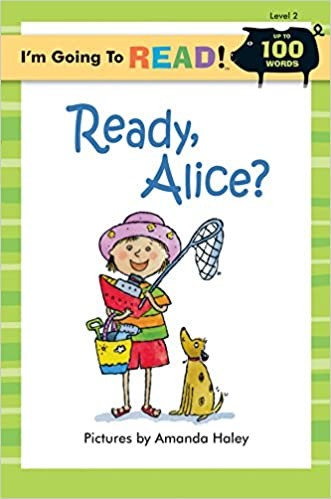







More fiction books with parent guides
- The Dictionary of Lost Words parent guide
- Nine Lives parent guide
- Hana Khan Carries On parent guide
- Charlie the Choo-Choo parent guide
- The Return of the Young Prince parent guide
- The Name of the Wind / The Wise Man's Fear / The Slow Regard of Silent Things (The Kingkiller Chronicle #1-2.5) parent guide
- Clash of star-kings parent guide
- This House Will Feed parent guide
- The Bookshop on Rosemary Lane parent guide
- Told in letters parent guide
- Babel: Or the Necessity of Violence: An Arcane History of the Oxford Translators' Revolution parent guide
- The Titan’s Curse (Percy Jackson and the Olympians, #3) parent guide
Picture Book books parents are checking
- Wicked: The Life and Times of the Wicked Witch of the West (The Wicked Years, #1) parent guide
- The Thursday Murder Club, #2: The Man Who Died Twice parent guide
- DIARY OF A WIMPY KID parent guide
- Charlotte's Web parent guide
- Lamb: The Gospel According to Biff, Christ's Childhood Pal parent guide
- Finlay Donovan Is Killing It (Finlay Donovan, #1) parent guide
- This is Going to Hurt: Secret Diaries of a Junior Doctor parent guide
- The Devil Wears Prada (The Devil Wears Prada, #1) parent guide
- Fables, Vol. 1: Legends in Exile parent guide
- Gild (The Plated Prisoner, #1) parent guide
- The Wrath and the Dawn parent guide
More books by Jon Scieszka
More books with Bontent parent guides
- The Dictionary of Lost Words parent guide
- Tall Oaks parent guide
- Charged parent guide
- The Midnight Girls parent guide
- Charlie the Choo-Choo parent guide
- The Martian Contingency parent guide
- Babel: Or the Necessity of Violence: An Arcane History of the Oxford Translators' Revolution parent guide
- The Battle of the Labyrinth (Percy Jackson and the Olympians, #4) parent guide
- Before They Are Hanged (The First Law, #2) parent guide
- 2001: A Space Odyssey parent guide
- The Dark Tower II: The Drawing of the Three (The Dark Tower, #2) parent guide
- A century of the English novel parent guide
- The complete works of the Gawain-poet parent guide
- Harry Potter parent guide
- Harry Potter and the Sorcerer's Stone (Harry Potter, #1) parent guide
- 6 great short novels of science fiction parent guide