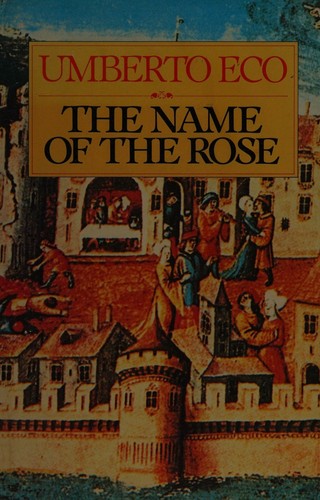
Il nome della rosa (1983) Parents Guide: Is the book OK for kids?
Age Rating, Sex, Violence & Language
Brother William's search for heresy in a 14th-century Italian abbey is interrupted by seven bizarre deaths in seven terrifying days.
Adult • 1983 • 533 pages • Lexile 1070L (roughly grades 8–9 reading difficulty)
Il nome della rosa is a complex, multi-layered philosophical mystery set in a 14th-century monastery in Northern Italy. The novel earns its suggested age through graphic depictions of decomposed murder victims, a moderately explicit sexual encounter, and intense descriptions of Inquisition torture and heretical massacres. Younger readers may find the dense theological and Latin passages challenging, but the central plot focuses on a… Sign up for the full guide
Is Il nome della rosa appropriate for kids?
Il nome della rosa is a complex, multi-layered philosophical mystery set in a 14th-century monastery in Northern Italy. The novel earns its suggested age through graphic depictions of decomposed murder victims, a moderately explicit sexual encounter, and intense descriptions of… Read more — free account
Content severity in Il nome della rosa
What happens in Il nome della rosa, moment by moment
- p. 12 🔥 Mature Themes 2/10
- p. 45 💬 Language 2/10
- p. 78 ⚔ Violence & Gore 3/10
Sex and nudity in Il nome della rosa
A significant scene occurs when Adso, the young protagonist, has a sexual encounter with a peasant girl in the abbey kitchen. The prose is descriptive and emotionally charged, though utilizing biblical and mystical metaphors rather than clinical terminology. Additionally, the plot involves a background of homosexual relationships among monks—specifically Adelmo, Berengar, and Malachi—motivated by power and access to forbidden knowledge. The text frequently references 'carnal sins' and 'unnatural lusts' within the…
Read more — free accountViolence and gore in Il nome della rosa
The violence is descriptive and often gruesome, fitting the medieval setting. Several monks are found dead in bizarre ways: one in a vat of pig's blood, one drowned in a bath, and one with a crushed skull. The narrative also includes vivid descriptions of the Burning of Heretics and the physical toll of Inquisition-era torture, as well as a final catastrophic fire that consumes the abbey. Characters are depicted with distended limbs, blackened tongues, and crushed craniums. There are also recounts of past…
Read more — free accountLanguage in Il nome della rosa
The language is largely scholarly and elevated, but it includes period-typical profanity, occasional blasphemy, and derogatory terms regarding heretics and social classes. In terms of modern profanity, there are infrequent uses of 'bastard' and 'whore' (translated or in Latin equivalents), primarily during moments of intense anger or during the Inquisition trial scenes. Salvatore speaks in a jarring, vulgar patois of multiple languages that includes coarse anatomical references. Theological insults, such as…
Read more — free accountDrugs, alcohol, and smoking in Il nome della rosa
Substance use is minimal and historically contextual, involving the consumption of wine with meals as was custom in monastic life. The abbey herbalist, Severinus, manages various medicinal herbs and tinctures, and the plot centers around a book containing a lethal poison that is absorbed through the skin and tongue. This poison, likely arsenic-based, causes rapid cyanosis and physical agony. There are brief mentions of monks using herbal infusions for sleep or digestion. The misuse of chemical compounds for lethal…
Read more — free accountMature themes in Il nome della rosa
Heavy themes of religious corruption, the tension between faith and reason, and the suppression of knowledge. The book explores the nature of truth, the dangers of fanaticism (personified by Jorge), and the philosophical debate over whether laughter/humor is a tool for enlightenment or a weapon of the devil. The narrative critiques the absolute power of the Church and the hypocrisy of its leaders. Themes of apocalypse and the end of the world permeate the monks' thoughts, leading to mass hysteria. Ultimately, the…
Read more — free accountFrequently Asked Questions
Is Il nome della rosa appropriate for kids?
Bontent's parent guide suggests Il nome della rosa is best for ages 17+. Il nome della rosa is a complex, multi-layered philosophical mystery set in a 14th-century monastery in Northern Italy. The novel earns its suggested age through graphic depictions of decomposed murder victims, a…
What age rating does Il nome della rosa have?
Books don't carry official age ratings. Il nome della rosa is shelved by its publisher as Adult, but that's a marketing category, not a content rating — Bontent's own review of what's actually on the page puts it at ages 17+.
What reading level is Il nome della rosa?
Il nome della rosa is 533 pages and its reading level is Lexile 1070L (roughly grades 8–9 reading difficulty). Bontent recommends it for ages 17+.
What is Il nome della rosa about?
Il nome della rosa is a complex, multi-layered philosophical mystery set in a 14th-century monastery in Northern Italy. The novel earns its suggested age through graphic depictions of decomposed murder victims, a moderately explicit sexual encounter, and intense descriptions of Inquisition torture and heretical…
Is there sex or nudity in Il nome della rosa?
A significant scene occurs when Adso, the young protagonist, has a sexual encounter with a peasant girl in the abbey kitchen. The prose is descriptive and emotionally charged, though utilizing biblical and mystical metaphors rather than clinical terminology…
How violent is Il nome della rosa?
The violence is descriptive and often gruesome, fitting the medieval setting. Several monks are found dead in bizarre ways: one in a vat of pig's blood, one drowned in a bath, and one with a crushed skull. The narrative also includes vivid descriptions of the…
Is the language in Il nome della rosa appropriate for kids?
The language is largely scholarly and elevated, but it includes period-typical profanity, occasional blasphemy, and derogatory terms regarding heretics and social classes. In terms of modern profanity, there are infrequent uses of 'bastard' and 'whore'…
Are drugs, alcohol, or smoking depicted in Il nome della rosa?
Substance use is minimal and historically contextual, involving the consumption of wine with meals as was custom in monastic life. The abbey herbalist, Severinus, manages various medicinal herbs and tinctures, and the plot centers around a book containing a…
What mature themes appear in Il nome della rosa?
Heavy themes of religious corruption, the tension between faith and reason, and the suppression of knowledge. The book explores the nature of truth, the dangers of fanaticism (personified by Jorge), and the philosophical debate over whether laughter/humor is…
Where can I read the full Il nome della rosa parent guide?
Create a free Bontent account to unlock page-level notes, filter by your kids' ages, and save titles to your watchlist.
Books like Il nome della rosa with similar intensity
Sign up to filter








Less intense books for families
Sign up to filter






More fiction books with parent guides
- The Dictionary of Lost Words parent guide
- Nine Lives parent guide
- Hana Khan Carries On parent guide
- Charlie the Choo-Choo parent guide
- The Return of the Young Prince parent guide
- The Name of the Wind / The Wise Man's Fear / The Slow Regard of Silent Things (The Kingkiller Chronicle #1-2.5) parent guide
- Clash of star-kings parent guide
- This House Will Feed parent guide
- The Bookshop on Rosemary Lane parent guide
- Told in letters parent guide
- Babel: Or the Necessity of Violence: An Arcane History of the Oxford Translators' Revolution parent guide
- The Titan’s Curse (Percy Jackson and the Olympians, #3) parent guide
Detective Fiction books parents are checking
- Black Cake parent guide
- Moon Witch, Spider King parent guide
- Deadly Scandal parent guide
- Wuthering Heights, Agnes Grey, and Poems parent guide
- Works (Poems / Wuthering Heights) parent guide
- The Bands of Mourning (Mistborn, #6) parent guide
- The Count of Monte Cristo parent guide
- An imperfect mother parent guide
More books by Umberto Eco
More books with Bontent parent guides
- Sunrise on the Reaping parent guide
- The Dictionary of Lost Words parent guide
- Tall Oaks parent guide
- The Midnight Girls parent guide
- Clash of star-kings parent guide
- The Bookshop on Rosemary Lane parent guide
- The ballad of the hundred days parent guide
- Before They Are Hanged (The First Law, #2) parent guide
- The man from up there parent guide
- The 48 Laws of Power parent guide
- The contemporary Negro novel parent guide
- Blood of Elves (The Witcher, #1) parent guide
- A century of the English novel parent guide
- The complete works of the Gawain-poet parent guide
- Harry Potter parent guide
- Harry Potter and the Sorcerer's Stone (Harry Potter, #1) parent guide