The Lost Continent (1999) Parents Guide: Is the book OK for kids?
Age Rating, Sex, Violence & Language
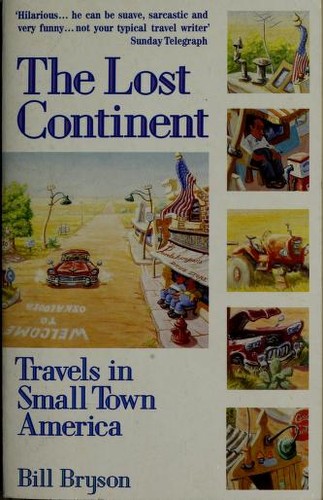
The Lost Continent: Travels in Small-Town America is a book by travel writer Bill Bryson, chronicling his 13,978 mile trip around the United States in the autumn of 1987 and spring 1988. It was Bryson's first travel book.
Adult • 1999 • 319 pages • Adult Non-fiction
Bill Bryson returns to his American roots in this humorous travelogue, driving across the United States to rediscover the small-town life of his youth. The book is recommended for older teens (16+) due to frequent strong language, cynical cultural commentary, and occasional coarse anecdotes regarding local personalities. While the humor is the focal point, parents should be aware of some sharp critiques of socio-economic groups and… Sign up for the full guide
Is The Lost Continent appropriate for kids?
Bill Bryson returns to his American roots in this humorous travelogue, driving across the United States to rediscover the small-town life of his youth. The book is recommended for older teens (16+) due to frequent strong language, cynical cultural commentary, and occasional… Read more — free account
Content severity in The Lost Continent
What happens in The Lost Continent, moment by moment
- p. 1 💬 Language 5/10
- p. 12 🔥 Mature Themes 2/10
- p. 24 🔥 Mature Themes 3/10
Sex and nudity in The Lost Continent
There is no graphic sexual content, but the author makes occasional ribald jokes, mentions seeing adult movie theaters from the road, and recounts a few mildly crude anecdotes about local residents. During his travels, Bryson notes the presence of 'adult' bookstores along the highway and makes cynical observations about the sexual frustrations of small-town life. In chapter 12, he includes a humorous but suggestive remark regarding a waitress's appearance. There are occasional references to 'racy' magazines in…
Read more — free accountViolence and gore in The Lost Continent
Violence is virtually non-existent, consisting only of the author's internal frustrations with traffic or brief, hyperbolic descriptions of the 'deaths' of small towns due to commercialism. Bryson frequently uses exaggerated, comedic threats of violence when expressing his disdain for rude tourists or bad drivers, but no physical altercations occur. In one instance, he humorously describes his childhood fear of getting into trouble, and in another, he laments the 'murder' of a town's character by strip malls. The…
Read more — free accountLanguage in The Lost Continent
Contains frequent use of profanity, including 'f--k' and 's--t,' used primarily for comedic emphasis or to express frustration. The author also uses some dated or borderline derogatory terms for humor when describing people he encounters. Bryson’s vocabulary is that of a cynical adult traveler, using 'goddamn,' 'bastard,' and 'hell' regularly to color his descriptions of the American landscape. He is particularly vocal when critiquing the hospitality industry or the intelligence of fellow travelers. The language…
Read more — free accountDrugs, alcohol, and smoking in The Lost Continent
Social drinking is mentioned frequently, as Bryson often stops at bars, mentions having beers at dinner, and discusses the drinking habits of certain regions he passes through. He describes the ritual of finding a bar at the end of a long day of driving as a necessary relief. There are mentions of specifically named brands of beer and cocktails, and he occasionally wakes up with the mild physical consequences of a late night. In his observations of the South, he discusses the history of dry counties and the…
Read more — free accountMature themes in The Lost Continent
Themes include nostalgia, the erosion of local culture by corporate capitalism, isolation, and the search for identity in a changing national landscape. Bryson explores the tension between his childhood memories of a 'perfect' America and the reality of modern consumerism. He offers sharp critiques of wealth inequality and the homogenizing effect of franchise restaurants and motels. The narrative also touches on the loneliness of the open road and the difficulty of truly 'going home' again. Throughout his journey…
Read more — free accountFrequently Asked Questions
Is The Lost Continent appropriate for kids?
Bontent's parent guide suggests The Lost Continent is best for ages 16+. Bill Bryson returns to his American roots in this humorous travelogue, driving across the United States to rediscover the small-town life of his youth. The book is recommended for older teens (16+) due to frequent…
What age rating does The Lost Continent have?
Books don't carry official age ratings. The Lost Continent is shelved by its publisher as Adult, but that's a marketing category, not a content rating — Bontent's own review of what's actually on the page puts it at ages 16+.
What reading level is The Lost Continent?
The Lost Continent is 319 pages and its reading level is Adult Non-fiction. Bontent recommends it for ages 16+.
What is The Lost Continent about?
Bill Bryson returns to his American roots in this humorous travelogue, driving across the United States to rediscover the small-town life of his youth. The book is recommended for older teens (16+) due to frequent strong language, cynical cultural commentary, and occasional coarse anecdotes regarding local…
Is there sex or nudity in The Lost Continent?
There is no graphic sexual content, but the author makes occasional ribald jokes, mentions seeing adult movie theaters from the road, and recounts a few mildly crude anecdotes about local residents. During his travels, Bryson notes the presence of 'adult'…
How violent is The Lost Continent?
Violence is virtually non-existent, consisting only of the author's internal frustrations with traffic or brief, hyperbolic descriptions of the 'deaths' of small towns due to commercialism. Bryson frequently uses exaggerated, comedic threats of violence when…
Is the language in The Lost Continent appropriate for kids?
Contains frequent use of profanity, including 'f--k' and 's--t,' used primarily for comedic emphasis or to express frustration. The author also uses some dated or borderline derogatory terms for humor when describing people he encounters. Bryson’s vocabulary…
Are drugs, alcohol, or smoking depicted in The Lost Continent?
Social drinking is mentioned frequently, as Bryson often stops at bars, mentions having beers at dinner, and discusses the drinking habits of certain regions he passes through. He describes the ritual of finding a bar at the end of a long day of driving as a…
What mature themes appear in The Lost Continent?
Themes include nostalgia, the erosion of local culture by corporate capitalism, isolation, and the search for identity in a changing national landscape. Bryson explores the tension between his childhood memories of a 'perfect' America and the reality of…
Where can I read the full The Lost Continent parent guide?
Create a free Bontent account to unlock page-level notes, filter by your kids' ages, and save titles to your watchlist.
Less intense books for families
Sign up to filter








More history books with parent guides
- Last One To Die parent guide
- Atomic Habits: An Easy & Proven Way to Build Good Habits & Break Bad Ones parent guide
- Told in letters parent guide
- The 48 Laws of Power parent guide
- The contemporary Negro novel parent guide
- A century of the English novel parent guide
- Jonathan Strange & Mr Norrell parent guide
- Homo Deus: A Brief History of Tomorrow parent guide
- Killers of the Flower Moon: The Osage Murders and the Birth of the FBI parent guide
- Into Thin Air: A Personal Account of the Mt. Everest Disaster parent guide
- The Wager: A Tale of Shipwreck, Mutiny and Murder parent guide
- The three musketeers parent guide
Travel Writing books parents are checking
- ¡Hola Papi!: How to Come Out in a Walmart Parking Lot and Other Life Lessons parent guide
- The Thursday Murder Club, #2: The Man Who Died Twice parent guide
- DIARY OF A WIMPY KID parent guide
- Born to Run: A Hidden Tribe, Superathletes, and the Greatest Race the World Has Never Seen parent guide
- Lamb: The Gospel According to Biff, Christ's Childhood Pal parent guide
- Finlay Donovan Is Killing It (Finlay Donovan, #1) parent guide
- This is Going to Hurt: Secret Diaries of a Junior Doctor parent guide
- The Devil Wears Prada (The Devil Wears Prada, #1) parent guide
- You Are Not a Cat! parent guide
- The Lost City of Z: A Tale of Deadly Obsession in the Amazon parent guide
More books by Bill Bryson
- The Body: A Guide for Occupants parent guide
- A Short History of Nearly Everything parent guide
- A Walk in the Woods parent guide
- A Walk in the Woods: Rediscovering America on the Appalachian Trail parent guide
- The Body parent guide
- The Mother Tongue parent guide
- Down Under (In a Sunburned Country) parent guide
- Neither here nor there parent guide
- I'm a stranger here myself parent guide
More books with Bontent parent guides
- The Dictionary of Lost Words parent guide
- Charged parent guide
- The Midnight Girls parent guide
- Moon Witch, Spider King parent guide
- The Name of the Wind / The Wise Man's Fear / The Slow Regard of Silent Things (The Kingkiller Chronicle #1-2.5) parent guide
- Clash of star-kings parent guide
- Blake Crouch's Dark Matter parent guide
- The Bookshop on Rosemary Lane parent guide
- Before They Are Hanged (The First Law, #2) parent guide
- 2001: A Space Odyssey parent guide
- The man from up there parent guide
- Blood of Elves (The Witcher, #1) parent guide
- Onyx Storm (The Empyrean, #3) parent guide
- A century of the English novel parent guide
- Harry Potter parent guide
- 6 great short novels of science fiction parent guide