
Diary of a Wombat (2003) Parents Guide: Is the book OK for kids?
Age Rating, Sex, Violence & Language
A picture book from the point of view of a wombat written as a diary of the wombat's daily activities. The wombat sleeps, eats, digs holes and tries to control the humans around it. An Australian classic from a well known Australian author.
Picture Book • 2003 • 32 pages • Lexile AD 350L (adult-directed content — early elementary reading difficulty)
Diary of a Wombat is a humorous and gentle picture book told from the perspective of an Australian wombat who discovers she has new human neighbors. The book earns its age-appropriate rating through its simple structure and low-stakes conflict, focusing primarily on a wombat's daily routine of eating, sleeping, and scratching. Parents should note there is no sexual content, language, or violence, only minor 'mischief' as the wombat… Sign up for the full guide
Is Diary of a Wombat appropriate for kids?
Diary of a Wombat is a humorous and gentle picture book told from the perspective of an Australian wombat who discovers she has new human neighbors. The book earns its age-appropriate rating through its simple structure and low-stakes conflict, focusing primarily on a wombat's… Read more — free account
Content severity in Diary of a Wombat
What happens in Diary of a Wombat, moment by moment
- p. 4 🔥 Mature Themes 1/10
- p. 7 🔥 Mature Themes 1/10
- p. 9 ⚔ Violence & Gore 2/10
Sex and nudity in Diary of a Wombat
There is no sexual content, romantic subplots, or nudity present in this story. The narrative focuses entirely on a wombat's daily routine, including her search for treats like carrots and oats while interacting with her human neighbors. The tone remains innocent and appropriate for preschoolers and early readers throughout the entire book. All illustrations show the animal in a natural, realistic but cartoonish manner without any inappropriate elements. The book is safe for the youngest readers.
Violence and gore in Diary of a Wombat
None. The only 'conflict' involves the wombat chewing on a door and head-butting a trash can until it opens to access food. These actions are presented as natural animal behaviors and are drawn for comedic effect rather than to show aggression. There are no scenes of humans or animals being harmed, and the wombat's stubbornness is used to create humor rather than fear. The most destructive act is the tearing of a doormat, which is depicted through a series of funny diary entries. It remains a gentle, low-stakes…
Read more — free accountLanguage in Diary of a Wombat
None. The text consists of simple daily diary entries with no profanity, slang, or insults. The vocabulary is tailored to young children and focuses on days of the week and simple verbs like 'ate', 'slept', and 'scratched'. The tone is dry and deadpan but entirely polite and clean. Parents will not find any offensive language or name-calling in the text. The minimal use of text makes it an excellent choice for beginning readers.
Drugs, alcohol, and smoking in Diary of a Wombat
None. The only things consumed by the protagonist are grass, carrots, oats, and a few household items like a doormat. There are no depictions of alcohol, tobacco, or drugs. The humans in the book are seen providing healthy snacks like carrots to the wombat rather than anything harmful. The wombat's obsession with oats is treated as a harmless character trait. The focus is strictly on the diet of a wild animal living near a human home.
Mature themes in Diary of a Wombat
Nature and animal behavior are portrayed through lighthearted humor. The wombat views humans as servants who provide food, showing a comical misunderstanding of domestication. The book introduces themes of persistence and adaptability as the wombat changes her lifestyle to accommodate the humans' presence. It also subtly teaches the days of the week and the concept of a diary or journal. The relationship between the animal and the neighbors is one of peaceful, if somewhat messy, coexistence.
Frequently Asked Questions
Is Diary of a Wombat appropriate for kids?
Bontent's parent guide suggests Diary of a Wombat is best for ages 4+. Diary of a Wombat is a humorous and gentle picture book told from the perspective of an Australian wombat who discovers she has new human neighbors. The book earns its age-appropriate rating through its simple structure…
What age rating does Diary of a Wombat have?
Books don't carry official age ratings. Diary of a Wombat is published for a Picture Book audience, and Bontent's independent parent guide recommends it for ages 4+.
What reading level is Diary of a Wombat?
Diary of a Wombat is 32 pages and its reading level is Lexile AD 350L (adult-directed content — early elementary reading difficulty). Bontent recommends it for ages 4+.
What is Diary of a Wombat about?
Diary of a Wombat is a humorous and gentle picture book told from the perspective of an Australian wombat who discovers she has new human neighbors. The book earns its age-appropriate rating through its simple structure and low-stakes conflict, focusing primarily on a wombat's daily routine of eating, sleeping, and…
Is there sex or nudity in Diary of a Wombat?
There is no sexual content, romantic subplots, or nudity present in this story. The narrative focuses entirely on a wombat's daily routine, including her search for treats like carrots and oats while interacting with her human neighbors. The tone remains…
How violent is Diary of a Wombat?
None. The only 'conflict' involves the wombat chewing on a door and head-butting a trash can until it opens to access food. These actions are presented as natural animal behaviors and are drawn for comedic effect rather than to show aggression. There are no…
Is the language in Diary of a Wombat appropriate for kids?
None. The text consists of simple daily diary entries with no profanity, slang, or insults. The vocabulary is tailored to young children and focuses on days of the week and simple verbs like 'ate', 'slept', and 'scratched'. The tone is dry and deadpan but…
Are drugs, alcohol, or smoking depicted in Diary of a Wombat?
None. The only things consumed by the protagonist are grass, carrots, oats, and a few household items like a doormat. There are no depictions of alcohol, tobacco, or drugs. The humans in the book are seen providing healthy snacks like carrots to the wombat…
What mature themes appear in Diary of a Wombat?
Nature and animal behavior are portrayed through lighthearted humor. The wombat views humans as servants who provide food, showing a comical misunderstanding of domestication. The book introduces themes of persistence and adaptability as the wombat changes…
Where can I read the full Diary of a Wombat parent guide?
Create a free Bontent account to unlock page-level notes, filter by your kids' ages, and save titles to your watchlist.
Parents also checked these books for 4-year-olds
Sign up to filter
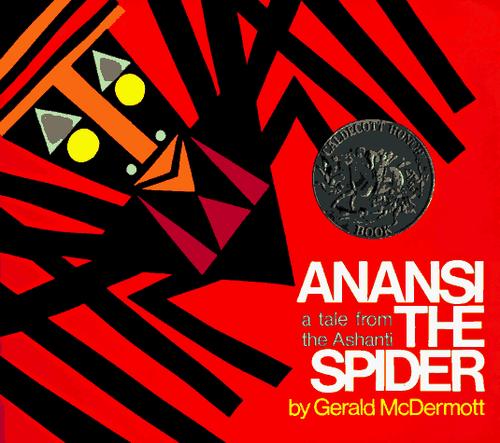

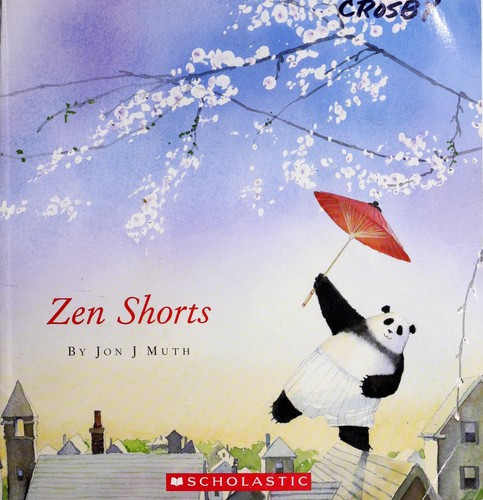


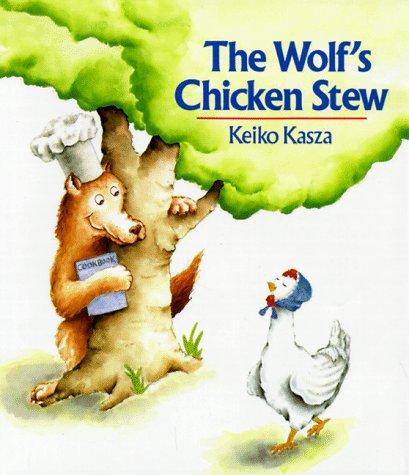


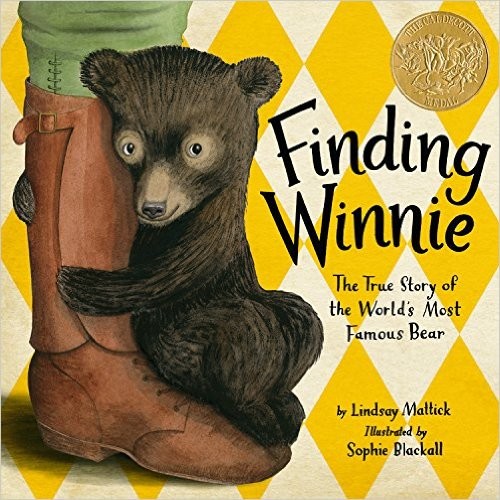


Books like Diary of a Wombat with similar intensity
Sign up to filter





More fiction books with parent guides
- The Dictionary of Lost Words parent guide
- Nine Lives parent guide
- Hana Khan Carries On parent guide
- Charlie the Choo-Choo parent guide
- The Return of the Young Prince parent guide
- The Name of the Wind / The Wise Man's Fear / The Slow Regard of Silent Things (The Kingkiller Chronicle #1-2.5) parent guide
- Clash of star-kings parent guide
- This House Will Feed parent guide
- The Bookshop on Rosemary Lane parent guide
- Told in letters parent guide
- Babel: Or the Necessity of Violence: An Arcane History of the Oxford Translators' Revolution parent guide
- The Titan’s Curse (Percy Jackson and the Olympians, #3) parent guide
Picture Book books parents are checking
- Sayaka Murata parent guide
- The Thursday Murder Club, #2: The Man Who Died Twice parent guide
- DIARY OF A WIMPY KID parent guide
- Lamb: The Gospel According to Biff, Christ's Childhood Pal parent guide
- Finlay Donovan Is Killing It (Finlay Donovan, #1) parent guide
- This is Going to Hurt: Secret Diaries of a Junior Doctor parent guide
- The Devil Wears Prada (The Devil Wears Prada, #1) parent guide
- You Are Not a Cat! parent guide
- Welcome to the Hyunam-Dong Bookshop parent guide
- Marley and Me: Life and Love With the World’s Worst Dog parent guide
- My Friends parent guide
More books with Bontent parent guides
- Tall Oaks parent guide
- Charged parent guide
- The Midnight Girls parent guide
- Charlie the Choo-Choo parent guide
- Clash of star-kings parent guide
- Blake Crouch's Dark Matter parent guide
- The Bookshop on Rosemary Lane parent guide
- Atomic Habits: An Easy & Proven Way to Build Good Habits & Break Bad Ones parent guide
- The Battle of the Labyrinth (Percy Jackson and the Olympians, #4) parent guide
- The ballad of the hundred days parent guide
- The motion picture chums' outdoor exhibition, or, The film that solved a mystery parent guide
- Before They Are Hanged (The First Law, #2) parent guide
- The contemporary Negro novel parent guide
- Blood of Elves (The Witcher, #1) parent guide
- The Dark Tower II: The Drawing of the Three (The Dark Tower, #2) parent guide
- Onyx Storm (The Empyrean, #3) parent guide