
We Don't Eat Our Classmates (2018) Parents Guide: Is the book OK for kids?
Age Rating, Sex, Violence & Language
When the class pet bites the finger of Penelope, a tyrannosaurus rex, she finally understands why she should not eat her classmates, no matter how tasty they are.
Picture Book • 2018 • 48 pages • Lexile AD 550L (adult-directed content — roughly grades 2–3 reading difficulty)
This humorous picture book follows Penelope Rex, a dinosaur who struggles to make friends because she keeps eating her human classmates (though she always spits them out). While the premise involves characters being swallowed, it is handled with slapstick comedy and serves as a lesson on empathy and impulse control. It is perfectly suited for preschoolers and early elementary children navigating social boundaries.
Is We Don't Eat Our Classmates appropriate for kids?
This humorous picture book follows Penelope Rex, a dinosaur who struggles to make friends because she keeps eating her human classmates (though she always spits them out). While the premise involves characters being swallowed, it is handled with slapstick comedy and serves as a… Read more — free account
Content severity in We Don't Eat Our Classmates
What happens in We Don't Eat Our Classmates, moment by moment
- p. 2 🔥 Mature Themes 1/10
- p. 8 ⚔ Violence & Gore 2/10
- p. 10 🔥 Mature Themes 1/10
Sex and nudity in We Don't Eat Our Classmates
There is no sexual content or nudity present in this picture book. As the story focuses entirely on a young dinosaur's first day of school, the imagery remains wholesome and appropriate for a preschool audience. The illustrations show characters in modest, everyday school attire or dinosaur skin. No romantic subplots or suggestive themes are explored in any capacity. The focus is strictly on the social-emotional development of a young Rex navigating kindergarten.
Violence and gore in We Don't Eat Our Classmates
The 'violence' is comedic and cartoonish; Penelope eats her classmates because they are delicious, but she is scolded and spits them out immediately. The children are shown covered in slime but are entirely unharmed and reappear in the next scenes. There is a moment of 'consequence' where Penelope is nipped on the finger by a goldfish named Walter, causing her to cry and lose a tiny bit of her confidence. This physical humor is used to illustrate the concept of natural consequences rather than to promote…
Read more — free accountLanguage in We Don't Eat Our Classmates
No profanity or inappropriate language is used throughout the story. The text relies on simple, rhythmic vocabulary and playful dialogue that is well-suited for early childhood development. Words like 'delicious' and 'ouchies' are used to convey the dinosaur's perspective and feelings. There are no insults, name-calling, or hidden double-entendres. The tone is consistently lighthearted, educational, and supportive of a child's vocabulary growth.
Drugs, alcohol, and smoking in We Don't Eat Our Classmates
The book contains no references to alcohol, drugs, or tobacco products. The narrative focuses strictly on a school environment and a dinosaur's struggle to manage her appetite for her classmates, keeping the content completely substance-free. The only 'substance' mentioned is the lunch Penelope's dad packs for her, which consists of three hundred tuna sandwiches. Even the classmates are only equated to snacks like brownies in Penelope's imagination. It is an entirely safe read regarding health and safety habits.
Mature themes in We Don't Eat Our Classmates
Deals with the 'Golden Rule,' empathy, and the difficulties of making friends when you have different instincts or behaviors than the group. Penelope struggles with impulse control, a common challenge for the target age group, and learns through a first-hand experience of being bitten. The story also touches on school anxiety, the feeling of being an outsider, and the importance of self-regulation. Ultimately, it emphasizes that understanding how others feel is the key to building lasting friendships and social…
Read more — free accountFrequently Asked Questions
Is We Don't Eat Our Classmates appropriate for kids?
Bontent's parent guide suggests We Don't Eat Our Classmates is best for ages 4+. This humorous picture book follows Penelope Rex, a dinosaur who struggles to make friends because she keeps eating her human classmates (though she always spits them out). While the premise involves characters being…
What age rating does We Don't Eat Our Classmates have?
Books don't carry official age ratings. We Don't Eat Our Classmates is published for a Picture Book audience, and Bontent's independent parent guide recommends it for ages 4+.
What reading level is We Don't Eat Our Classmates?
We Don't Eat Our Classmates is 48 pages and its reading level is Lexile AD 550L (adult-directed content — roughly grades 2–3 reading difficulty). Bontent recommends it for ages 4+.
What is We Don't Eat Our Classmates about?
This humorous picture book follows Penelope Rex, a dinosaur who struggles to make friends because she keeps eating her human classmates (though she always spits them out). While the premise involves characters being swallowed, it is handled with slapstick comedy and serves as a lesson on empathy and impulse control…
Is there sex or nudity in We Don't Eat Our Classmates?
There is no sexual content or nudity present in this picture book. As the story focuses entirely on a young dinosaur's first day of school, the imagery remains wholesome and appropriate for a preschool audience. The illustrations show characters in modest…
How violent is We Don't Eat Our Classmates?
The 'violence' is comedic and cartoonish; Penelope eats her classmates because they are delicious, but she is scolded and spits them out immediately. The children are shown covered in slime but are entirely unharmed and reappear in the next scenes. There is a…
Is the language in We Don't Eat Our Classmates appropriate for kids?
No profanity or inappropriate language is used throughout the story. The text relies on simple, rhythmic vocabulary and playful dialogue that is well-suited for early childhood development. Words like 'delicious' and 'ouchies' are used to convey the…
Are drugs, alcohol, or smoking depicted in We Don't Eat Our Classmates?
The book contains no references to alcohol, drugs, or tobacco products. The narrative focuses strictly on a school environment and a dinosaur's struggle to manage her appetite for her classmates, keeping the content completely substance-free. The only…
What mature themes appear in We Don't Eat Our Classmates?
Deals with the 'Golden Rule,' empathy, and the difficulties of making friends when you have different instincts or behaviors than the group. Penelope struggles with impulse control, a common challenge for the target age group, and learns through a first-hand…
Where can I read the full We Don't Eat Our Classmates parent guide?
Create a free Bontent account to unlock page-level notes, filter by your kids' ages, and save titles to your watchlist.
Parents also checked these books for 4-year-olds
Sign up to filter


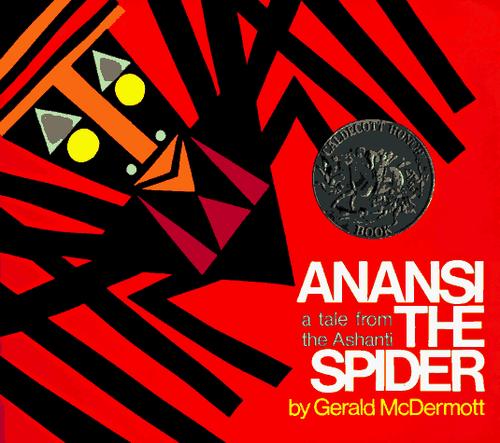
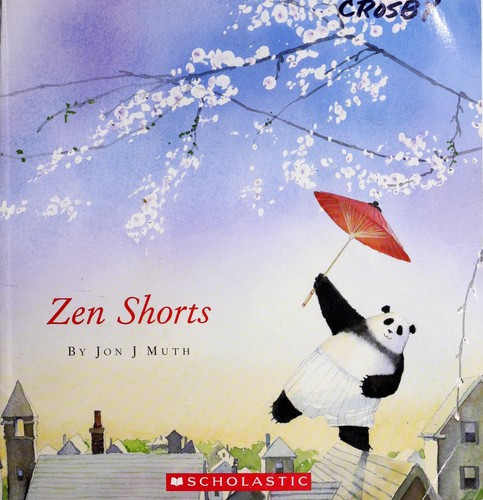


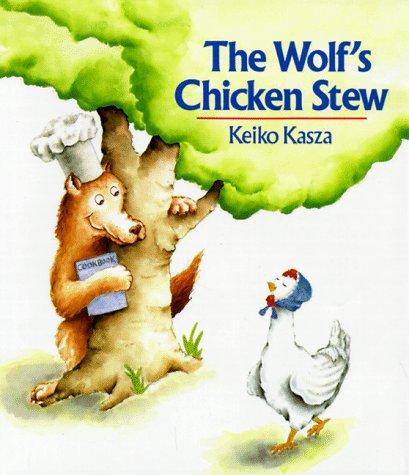


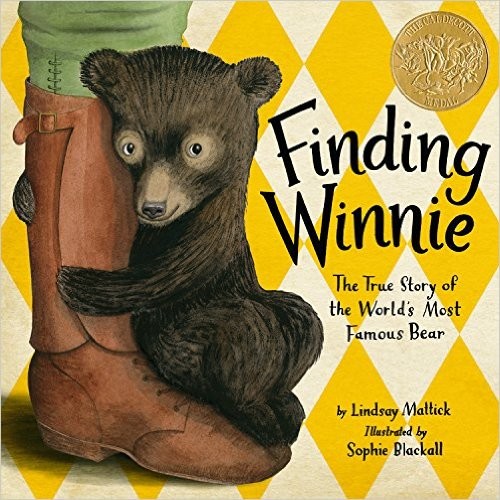


Books like We Don't Eat Our Classmates with similar intensity
Sign up to filter





More fiction books with parent guides
- The Dictionary of Lost Words parent guide
- Nine Lives parent guide
- Hana Khan Carries On parent guide
- Charlie the Choo-Choo parent guide
- The Return of the Young Prince parent guide
- The Name of the Wind / The Wise Man's Fear / The Slow Regard of Silent Things (The Kingkiller Chronicle #1-2.5) parent guide
- Clash of star-kings parent guide
- This House Will Feed parent guide
- The Bookshop on Rosemary Lane parent guide
- Told in letters parent guide
- Babel: Or the Necessity of Violence: An Arcane History of the Oxford Translators' Revolution parent guide
- The Titan’s Curse (Percy Jackson and the Olympians, #3) parent guide
Picture Book books parents are checking
- ¡Hola Papi!: How to Come Out in a Walmart Parking Lot and Other Life Lessons parent guide
- Ghosted: An American Story parent guide
- The House in the Cerulean Sea (Cerulean Chronicles, #1) parent guide
- City of Bones (The Mortal Instruments, #1) parent guide
- The ballad of the hundred days parent guide
- The Cruel Prince (The Folk of the Air, #1) parent guide
- Heartstopper (Vol. 1) parent guide
- Blood of Elves (The Witcher, #1) parent guide
- Sayaka Murata parent guide
- Saga, Vol. 1 parent guide
More books with Bontent parent guides
- Sunrise on the Reaping parent guide
- The Dictionary of Lost Words parent guide
- Just For The Cameras parent guide
- Crow parent guide
- Tall Oaks parent guide
- Charged parent guide
- ¡Hola Papi!: How to Come Out in a Walmart Parking Lot and Other Life Lessons parent guide
- You Did Nothing Wrong parent guide
- The Total Package parent guide
- Last One To Die parent guide
- Moon Witch, Spider King parent guide
- Charlie the Choo-Choo parent guide
- Ghosted: An American Story parent guide
- Unrivaled parent guide
- The Name of the Wind / The Wise Man's Fear / The Slow Regard of Silent Things (The Kingkiller Chronicle #1-2.5) parent guide
- The Martian Contingency parent guide