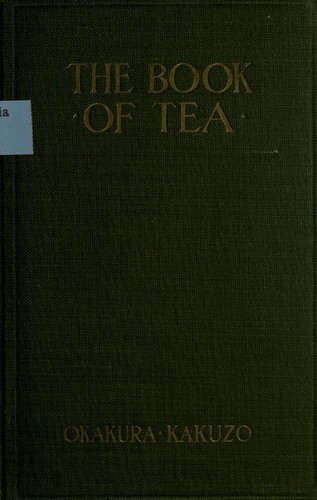
The Book of Tea (2020) Parents Guide: Is the book OK for kids?
Age Rating, Sex, Violence & Language
Tea began as a medicine and grew into a beverage. In China, in the eighth century, it entered the realm of poetry as one of the polite amusements. The fifteenth century saw Japan ennoble it into a religion of aestheticism - Teaism. Teaism is a cult founded on the adoration of the beautiful among the sordid facts of everyday existence. It inculcates purity and harmony, the mystery of mutual charity, the romanticism of the social order.
Adult • 2020 • 70 pages • College Level
This is an influential 1906 essay collection by Okakura Kakuzō that serves as a bridge between Eastern and Western cultures, specifically introducing Zen, Taoism, and the Japanese tea ceremony to a global audience. It is a philosophy-heavy, meditative work focusing on aestheticism, simplicity, and the 'adoration of the beautiful.' Parents should note there is no modern objectionable content, though the text features archaic prose and… Sign up for the full guide
Is The Book of Tea appropriate for kids?
This is an influential 1906 essay collection by Okakura Kakuzō that serves as a bridge between Eastern and Western cultures, specifically introducing Zen, Taoism, and the Japanese tea ceremony to a global audience. It is a philosophy-heavy, meditative work focusing on… Read more — free account
Content severity in The Book of Tea
What happens in The Book of Tea, moment by moment
- p. 5 🔥 Mature Themes 1/10
- p. 12 🔥 Mature Themes 2/10
- p. 18 🍷 Substances 1/10
Sex and nudity in The Book of Tea
There is no sexual content or romantic subplots present in this text. Okakura Kakuzō focuses entirely on the spiritual, philosophical, and aesthetic aspects of Japanese culture and the tea ceremony. The prose is entirely clean and scholarly, never straying into themes of sexuality or human desire beyond the appreciation of art and nature. It is safe for all readers seeking a non-fictional, intellectual exploration of Eastern traditions. The book maintains a tone of high dignity and respect throughout its short…
Read more — free accountViolence and gore in The Book of Tea
The primary instance of violence is the historical account of Sen no Rikyū in the final chapter, 'The Last Tea of Rikyū.' The text describes the philosopher being ordered to take his own life by a warlord and choosing to do so through Seppuku, or ritual suicide. While the description focuses on the spiritual dignity and the 'smile' of the dying man, it remains a sober account of self-inflicted death. Earlier chapters mention historical conflicts between dynasties and the destruction of art during wartime in a…
Read more — free accountLanguage in The Book of Tea
There is no profanity, slang, or offensive language present in this entire collection of essays. The prose remains formal, scholarly, and elevated, reflecting the late Victorian and early Meiji era aesthetic of the author. It is entirely safe for all readers from a linguistic standpoint, providing a sophisticated vocabulary for young readers. No slurs or derogatory terms are used, as the author seeks to build a respectful bridge between Western and Eastern ideologies. The vocabulary may be challenging for younger…
Read more — free accountDrugs, alcohol, and smoking in The Book of Tea
Tea is the primary subject, discussed extensively as a medicinal beverage, a spiritual tool, and a cultural cornerstone. The author tracks the evolution of tea from 'Boiled Tea' to 'Whipped Tea' and finally 'Steeped Tea' throughout Chinese and Japanese history. There are brief mentions of ancient Chinese brewing methods that resemble alchemy or apothecary work, but no illicit substances are featured. Alcohol is not a focus, though the 'Teas' are occasionally contrasted with the 'Western spirits' of the era in a…
Read more — free accountMature themes in The Book of Tea
Heavy focus on Zen Buddhism, Taoism, and the concept of 'Imperfectism.' The book explores the tension between materialism and spirituality, and the importance of finding beauty in small, everyday routines like the preparation of a beverage. Readers will encounter deep discussions on 'Zennism' and the rejection of the ego, alongside the 'Abode of Fancy' which emphasizes minimalism in architecture. The themes of grief and mortality are present in the final pages, handled with a stoic and artistic perspective. It is…
Read more — free accountFrequently Asked Questions
Is The Book of Tea appropriate for kids?
Bontent's parent guide suggests The Book of Tea is best for ages 14+. This is an influential 1906 essay collection by Okakura Kakuzō that serves as a bridge between Eastern and Western cultures, specifically introducing Zen, Taoism, and the Japanese tea ceremony to a global audience. It…
What age rating does The Book of Tea have?
Books don't carry official age ratings. The Book of Tea is shelved by its publisher as Adult, but that's a marketing category, not a content rating — Bontent's own review of what's actually on the page puts it at ages 14+.
What reading level is The Book of Tea?
The Book of Tea is 70 pages and its reading level is College Level. Bontent recommends it for ages 14+.
What is The Book of Tea about?
This is an influential 1906 essay collection by Okakura Kakuzō that serves as a bridge between Eastern and Western cultures, specifically introducing Zen, Taoism, and the Japanese tea ceremony to a global audience. It is a philosophy-heavy, meditative work focusing on aestheticism, simplicity, and the 'adoration of…
Is there sex or nudity in The Book of Tea?
There is no sexual content or romantic subplots present in this text. Okakura Kakuzō focuses entirely on the spiritual, philosophical, and aesthetic aspects of Japanese culture and the tea ceremony. The prose is entirely clean and scholarly, never straying…
How violent is The Book of Tea?
The primary instance of violence is the historical account of Sen no Rikyū in the final chapter, 'The Last Tea of Rikyū.' The text describes the philosopher being ordered to take his own life by a warlord and choosing to do so through Seppuku, or ritual…
Is the language in The Book of Tea appropriate for kids?
There is no profanity, slang, or offensive language present in this entire collection of essays. The prose remains formal, scholarly, and elevated, reflecting the late Victorian and early Meiji era aesthetic of the author. It is entirely safe for all readers…
Are drugs, alcohol, or smoking depicted in The Book of Tea?
Tea is the primary subject, discussed extensively as a medicinal beverage, a spiritual tool, and a cultural cornerstone. The author tracks the evolution of tea from 'Boiled Tea' to 'Whipped Tea' and finally 'Steeped Tea' throughout Chinese and Japanese…
What mature themes appear in The Book of Tea?
Heavy focus on Zen Buddhism, Taoism, and the concept of 'Imperfectism.' The book explores the tension between materialism and spirituality, and the importance of finding beauty in small, everyday routines like the preparation of a beverage. Readers will…
Where can I read the full The Book of Tea parent guide?
Create a free Bontent account to unlock page-level notes, filter by your kids' ages, and save titles to your watchlist.
Less intense books for families
Sign up to filter








More philosophy books with parent guides
- Told in letters parent guide
- The 48 Laws of Power parent guide
- The contemporary Negro novel parent guide
- A century of the English novel parent guide
- Jonathan Strange & Mr Norrell parent guide
- Homo Deus: A Brief History of Tomorrow parent guide
- Kitchen Confidential: Adventures in the Culinary Underbelly parent guide
- Killers of the Flower Moon: The Osage Murders and the Birth of the FBI parent guide
- Sobremesa parent guide
- The Wager: A Tale of Shipwreck, Mutiny and Murder parent guide
- The three musketeers parent guide
- Brave New World parent guide
Essays books parents are checking
- ¡Hola Papi!: How to Come Out in a Walmart Parking Lot and Other Life Lessons parent guide
- Biggest Ideas in the Universe 2 parent guide
- Four Thousand Weeks: Time Management for Mortals parent guide
- Steal Like an Artist: 10 Things Nobody Told You About Being Creative parent guide
- The Kind Worth Killing (Ingrid Bergman #1) parent guide
- The Obstacle Is the Way: The Timeless Art of Turning Adversity to Advantage parent guide
- Being Mortal: Medicine and What Matters in the End parent guide
- Books Do Not Have Wings parent guide
- How to do nothing: Resisting the Attention Economy parent guide
More books with Bontent parent guides
- The Dictionary of Lost Words parent guide
- Tall Oaks parent guide
- The Midnight Girls parent guide
- Moon Witch, Spider King parent guide
- Charlie the Choo-Choo parent guide
- Clash of star-kings parent guide
- Blake Crouch's Dark Matter parent guide
- The Bookshop on Rosemary Lane parent guide
- Atomic Habits: An Easy & Proven Way to Build Good Habits & Break Bad Ones parent guide
- Babel: Or the Necessity of Violence: An Arcane History of the Oxford Translators' Revolution parent guide
- The Battle of the Labyrinth (Percy Jackson and the Olympians, #4) parent guide
- The ballad of the hundred days parent guide
- The motion picture chums' outdoor exhibition, or, The film that solved a mystery parent guide
- Before They Are Hanged (The First Law, #2) parent guide
- 2001: A Space Odyssey parent guide
- The man from up there parent guide