
Wolfie the Bunny (2015) Parents Guide: Is the book OK for kids?
Age Rating, Sex, Violence & Language
Families of all kinds will delight in this sweet tale of new babies, sibling rivalry, bravery, unconditional love ... and veggies! The Bunny family has adopted a wolf son, and daughter Dot is the only one who realizes Wolfie can--and might--eat them all up! Dot tries to get through to her parents, but they are too smitten to listen. A new brother takes getting used to, and when (in a twist of fate) it's Wolfie who's threatened, can Dot save the day? A family of bunnies adopts a baby wolf to the dismay of the youngest bunny… Sign up for the full guide
Picture Book • 2015 • 40 pages • Grade 1-2
Wolfie the Bunny is a lighthearted and humorous picture book that explores themes of new siblings and acceptance. The story follows a family of bunnies who adopt a wolf cub, much to the initial concern of the daughter, Dot, who fears the wolf will eat them. It is a gentle, safe read for preschool and early elementary children, featuring a positive message about family bonds and overcoming prejudice.
Is Wolfie the Bunny appropriate for kids?
Wolfie the Bunny is a lighthearted and humorous picture book that explores themes of new siblings and acceptance. The story follows a family of bunnies who adopt a wolf cub, much to the initial concern of the daughter, Dot, who fears the wolf will eat them. It is a gentle, safe… Read more — free account
Content severity in Wolfie the Bunny
What happens in Wolfie the Bunny, moment by moment
- p. 2 🔥 Mature Themes 1/10
- p. 5 ⚔ Violence & Gore 2/10
- p. 8 🔥 Mature Themes 1/10
Sex and nudity in Wolfie the Bunny
This category is not present, as the story focuses entirely on the familial bond between a young bunny and her new adopted sibling. There are no romantic subplots or sexual themes explored in the text or illustrations. The book maintains a strictly platonic and innocent tone appropriate for its preschool audience. The bunny parents are shown as a unified, caring couple, but their interactions are limited to domestic cooperation and parenting their children.
Violence and gore in Wolfie the Bunny
Very mild comedic tension exists as a recurring joke throughout the book. The main character, Dot, repeatedly warns that the wolf will 'eat us all,' which is her primary fear, but the wolf is depicted as a gentle, carrot-loving family member. There is a moment of mild peril when a large bear confronts the siblings at the Carrot Museum, though this is resolved through bravery rather than physical fighting. No characters are injured or harmed, and the illustrations remain bright, colorful, and non-threatening.
Language in Wolfie the Bunny
There is no profanity or use of crude language within the story. The dialogue is kept simple and respectful, primarily featuring short sentences that children can easily follow. The vocabulary is selected to be clear and suitable for very young readers and their parents, with repetitive phrases used for comedic effect. No name-calling occurs, though Dot expresses her skepticism of Wolfie in a loud, dramatic manner that young children will recognize as sibling grumpiness.
Drugs, alcohol, and smoking in Wolfie the Bunny
Alcohol, drugs, and smoking are not present in this book. The rabbit family is shown consuming only natural foods like vegetables, particularly carrots, which reinforces the wholesome nature of the setting. There are no depictions of any harmful substances or adult-oriented products. The characters visit a grocery-style 'Carrot Museum' to buy food, emphasizing a healthy and child-friendly diet throughout the narrative.
Mature themes in Wolfie the Bunny
The story explores brother-sister dynamics, adoption, and the arrival of a new sibling in a way that is accessible to toddlers. The central conflict focuses on Dot learning to accept her new brother despite her initial fears and her feeling that her parents are being 'fooled' by the cub. It touches on themes of protection, bravery, and unconditional family love as Dot moves from resentment to fierce loyalty. The book serves as a gentle tool for discussing how families can be made up of different types of…
Read more — free accountFrequently Asked Questions
Is Wolfie the Bunny appropriate for kids?
Bontent's parent guide suggests Wolfie the Bunny is best for ages 3+. Wolfie the Bunny is a lighthearted and humorous picture book that explores themes of new siblings and acceptance. The story follows a family of bunnies who adopt a wolf cub, much to the initial concern of the daughter…
What age rating does Wolfie the Bunny have?
Books don't carry official age ratings. Wolfie the Bunny is published for a Picture Book audience, and Bontent's independent parent guide recommends it for ages 3+.
What reading level is Wolfie the Bunny?
Wolfie the Bunny is 40 pages and its reading level is Grade 1-2. Bontent recommends it for ages 3+.
What is Wolfie the Bunny about?
Wolfie the Bunny is a lighthearted and humorous picture book that explores themes of new siblings and acceptance. The story follows a family of bunnies who adopt a wolf cub, much to the initial concern of the daughter, Dot, who fears the wolf will eat them. It is a gentle, safe read for preschool and early elementary…
Is there sex or nudity in Wolfie the Bunny?
This category is not present, as the story focuses entirely on the familial bond between a young bunny and her new adopted sibling. There are no romantic subplots or sexual themes explored in the text or illustrations. The book maintains a strictly platonic…
How violent is Wolfie the Bunny?
Very mild comedic tension exists as a recurring joke throughout the book. The main character, Dot, repeatedly warns that the wolf will 'eat us all,' which is her primary fear, but the wolf is depicted as a gentle, carrot-loving family member. There is a…
Is the language in Wolfie the Bunny appropriate for kids?
There is no profanity or use of crude language within the story. The dialogue is kept simple and respectful, primarily featuring short sentences that children can easily follow. The vocabulary is selected to be clear and suitable for very young readers and…
Are drugs, alcohol, or smoking depicted in Wolfie the Bunny?
Alcohol, drugs, and smoking are not present in this book. The rabbit family is shown consuming only natural foods like vegetables, particularly carrots, which reinforces the wholesome nature of the setting. There are no depictions of any harmful substances or…
What mature themes appear in Wolfie the Bunny?
The story explores brother-sister dynamics, adoption, and the arrival of a new sibling in a way that is accessible to toddlers. The central conflict focuses on Dot learning to accept her new brother despite her initial fears and her feeling that her parents…
Where can I read the full Wolfie the Bunny parent guide?
Create a free Bontent account to unlock page-level notes, filter by your kids' ages, and save titles to your watchlist.
Parents also checked these books for 3-year-olds
Sign up to filter


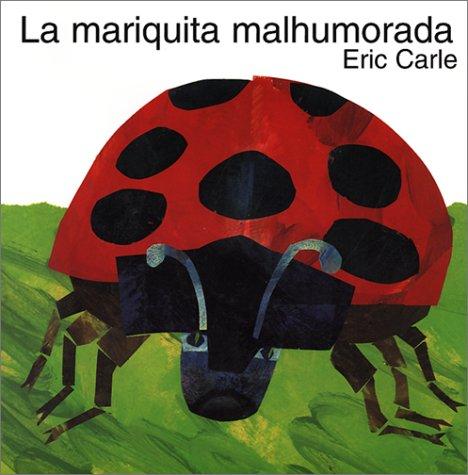

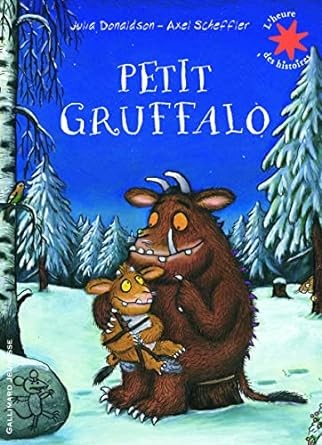


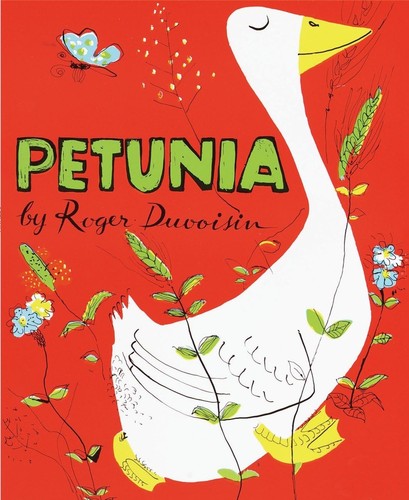


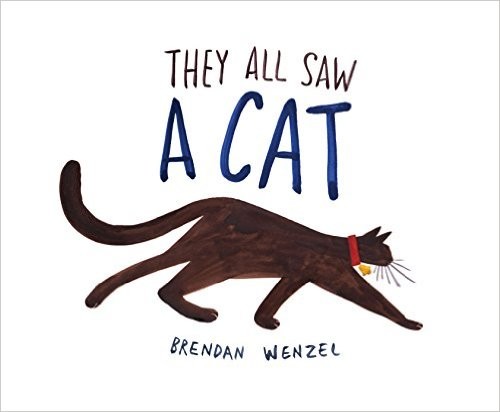


Books like Wolfie the Bunny with similar intensity
Sign up to filter




More fiction books with parent guides
- The Dictionary of Lost Words parent guide
- Nine Lives parent guide
- Hana Khan Carries On parent guide
- Charlie the Choo-Choo parent guide
- The Return of the Young Prince parent guide
- The Name of the Wind / The Wise Man's Fear / The Slow Regard of Silent Things (The Kingkiller Chronicle #1-2.5) parent guide
- Clash of star-kings parent guide
- This House Will Feed parent guide
- The Bookshop on Rosemary Lane parent guide
- Told in letters parent guide
- Babel: Or the Necessity of Violence: An Arcane History of the Oxford Translators' Revolution parent guide
- The Titan’s Curse (Percy Jackson and the Olympians, #3) parent guide
Picture Book books parents are checking
- The Secret City parent guide
- The House in the Cerulean Sea (Cerulean Chronicles, #1) parent guide
- The Battle of the Labyrinth (Percy Jackson and the Olympians, #4) parent guide
- A Court of Frost and Starlight (A Court of Thorns and Roses, #4) parent guide
- The motion picture chums' outdoor exhibition, or, The film that solved a mystery parent guide
- Blood of Elves (The Witcher, #1) parent guide
- The Bad Beginning (A Series of Unfortunate Events #1) parent guide
- Harry Potter parent guide
- Saga, Vol. 1 parent guide
More books with Bontent parent guides
- The Dictionary of Lost Words parent guide
- Charged parent guide
- Moon Witch, Spider King parent guide
- Charlie the Choo-Choo parent guide
- The Name of the Wind / The Wise Man's Fear / The Slow Regard of Silent Things (The Kingkiller Chronicle #1-2.5) parent guide
- The Martian Contingency parent guide
- Clash of star-kings parent guide
- The Battle of the Labyrinth (Percy Jackson and the Olympians, #4) parent guide
- 2001: A Space Odyssey parent guide
- The contemporary Negro novel parent guide
- Blood of Elves (The Witcher, #1) parent guide
- The Dark Tower II: The Drawing of the Three (The Dark Tower, #2) parent guide
- A century of the English novel parent guide
- Anna Karenina parent guide
- Arena 13 parent guide
- Biggest Ideas in the Universe 2 parent guide