
The Tiger Who Came to Tea (1979) Parents Guide: Is the book OK for kids?
Age Rating, Sex, Violence & Language
A tiger comes to tea at Sophie's house and eats and drinks everything in sight, so that there is nothing left for Daddy's supper.
Picture Book • 1979 • 32 pages • Pre-K to 2nd Grade
The Tiger Who Came to Tea is a classic whimsical picture book suitable for very young children. It features a friendly tiger who unexpectedly visits a little girl and her mother, eats their food, and then leaves. There are no instances of violence, substance use, or mature themes, making it an ideal choice for a gentle read-aloud.
Is The Tiger Who Came to Tea appropriate for kids?
The Tiger Who Came to Tea is a classic whimsical picture book suitable for very young children. It features a friendly tiger who unexpectedly visits a little girl and her mother, eats their food, and then leaves. There are no instances of violence, substance use, or mature… Read more — free account
Content severity in The Tiger Who Came to Tea
What happens in The Tiger Who Came to Tea, moment by moment
- p. 4 🔥 Mature Themes 1/10
- p. 6 🔥 Mature Themes 1/10
- p. 8 🔥 Mature Themes 1/10
Sex and nudity in The Tiger Who Came to Tea
There is no sexual content or nudity present in this story. The narrative focuses entirely on a polite, domestic interaction between a young girl named Sophie, her mother, and an animal guest. The illustrations show characters in modest, period-appropriate clothing typical of the 1960s. The tone remains wholesome, safe, and entirely suitable for the youngest of audiences without any romantic or mature subplots. It is a strictly platonic and imaginative tale for children.
Violence and gore in The Tiger Who Came to Tea
There is no violence depicted in this book. While a large wild tiger is the central guest, he is polite and non-threatening throughout the entire encounter. He never growls, snaps, or shows aggression toward Sophie or her mother. The only 'destruction' is the humorous consumption of the household's food supply and water. Even the suspense of the tiger being at the door is handled with gentle curiosity rather than fear or peril.
Language in The Tiger Who Came to Tea
No profanity or crude language appears in this book. The text uses simple, polite vocabulary appropriate for toddlers and preschoolers such as 'please' and 'thank you'. The characters speak to one another with kindness and domestic manners throughout the visit. The prose is clean, rhythmic, and focuses on describing the food being eaten and the actions of the tiger. There are no insults or harsh words exchanged between any of the family members.
Drugs, alcohol, and smoking in The Tiger Who Came to Tea
No alcohol, drug, or tobacco use appears in this classic picture book. The only items consumed are traditional tea-time foods and drinks like sandwiches, buns, biscuits, and tea. The tiger's appetite is the focus as he drinks all the milk and even the water from the tap. There is no mention of adult beverages or smoking, which were common in literature of that era but absent here. The focus remains strictly on the tiger's humorous appetite for household groceries.
Mature themes in The Tiger Who Came to Tea
Themes include hospitality, imagination, and the simple joy of an unexpected guest. The story explores a child's perspective on a disruption of routine, turning a potential worry—a tiger in the house—into a magical shared meal. It also touches on familial support, as Sophie's father reacts with calm problem-solving when he finds the kitchen empty. The narrative celebrates the whimsy of childhood where the extraordinary can happen in an ordinary kitchen. It ends with a sense of preparation and hope as Sophie buys…
Read more — free accountFrequently Asked Questions
Is The Tiger Who Came to Tea appropriate for kids?
Bontent's parent guide suggests The Tiger Who Came to Tea is best for ages 3+. The Tiger Who Came to Tea is a classic whimsical picture book suitable for very young children. It features a friendly tiger who unexpectedly visits a little girl and her mother, eats their food, and then leaves. There…
What age rating does The Tiger Who Came to Tea have?
Books don't carry official age ratings. The Tiger Who Came to Tea is published for a Picture Book audience, and Bontent's independent parent guide recommends it for ages 3+.
What reading level is The Tiger Who Came to Tea?
The Tiger Who Came to Tea is 32 pages and its reading level is Pre-K to 2nd Grade. Bontent recommends it for ages 3+.
What is The Tiger Who Came to Tea about?
The Tiger Who Came to Tea is a classic whimsical picture book suitable for very young children. It features a friendly tiger who unexpectedly visits a little girl and her mother, eats their food, and then leaves. There are no instances of violence, substance use, or mature themes, making it an ideal choice for a…
Is there sex or nudity in The Tiger Who Came to Tea?
There is no sexual content or nudity present in this story. The narrative focuses entirely on a polite, domestic interaction between a young girl named Sophie, her mother, and an animal guest. The illustrations show characters in modest, period-appropriate…
How violent is The Tiger Who Came to Tea?
There is no violence depicted in this book. While a large wild tiger is the central guest, he is polite and non-threatening throughout the entire encounter. He never growls, snaps, or shows aggression toward Sophie or her mother. The only 'destruction' is the…
Is the language in The Tiger Who Came to Tea appropriate for kids?
No profanity or crude language appears in this book. The text uses simple, polite vocabulary appropriate for toddlers and preschoolers such as 'please' and 'thank you'. The characters speak to one another with kindness and domestic manners throughout the…
Are drugs, alcohol, or smoking depicted in The Tiger Who Came to Tea?
No alcohol, drug, or tobacco use appears in this classic picture book. The only items consumed are traditional tea-time foods and drinks like sandwiches, buns, biscuits, and tea. The tiger's appetite is the focus as he drinks all the milk and even the water…
What mature themes appear in The Tiger Who Came to Tea?
Themes include hospitality, imagination, and the simple joy of an unexpected guest. The story explores a child's perspective on a disruption of routine, turning a potential worry—a tiger in the house—into a magical shared meal. It also touches on familial…
Where can I read the full The Tiger Who Came to Tea parent guide?
Create a free Bontent account to unlock page-level notes, filter by your kids' ages, and save titles to your watchlist.
Parents also checked these books for 3-year-olds
Sign up to filter
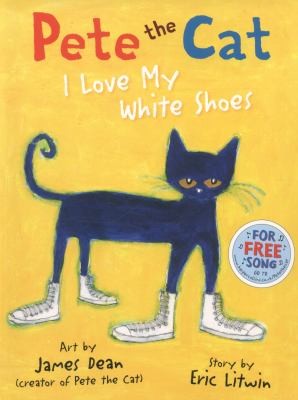

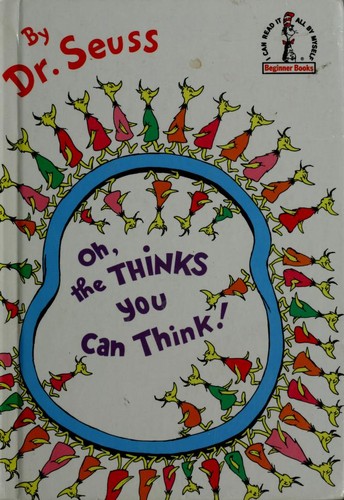


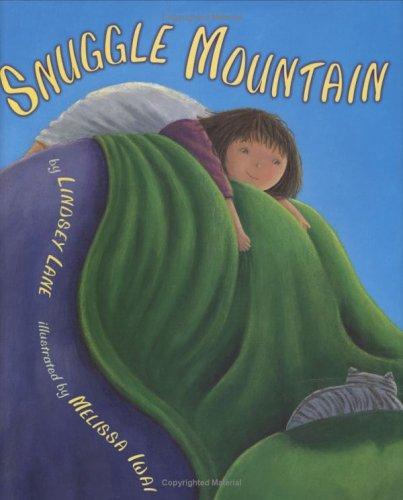


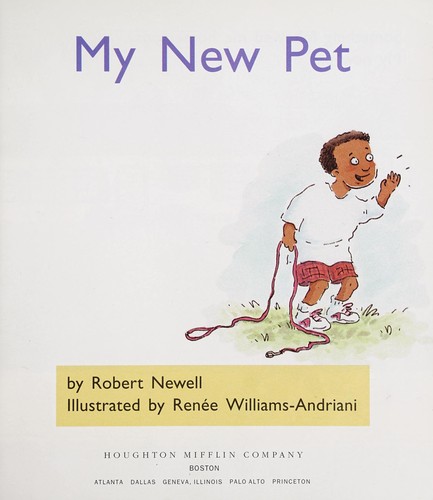


Books like The Tiger Who Came to Tea with similar intensity
Sign up to filter




More fiction books with parent guides
- The Dictionary of Lost Words parent guide
- Nine Lives parent guide
- Hana Khan Carries On parent guide
- Charlie the Choo-Choo parent guide
- The Return of the Young Prince parent guide
- The Name of the Wind / The Wise Man's Fear / The Slow Regard of Silent Things (The Kingkiller Chronicle #1-2.5) parent guide
- Clash of star-kings parent guide
- This House Will Feed parent guide
- The Bookshop on Rosemary Lane parent guide
- Told in letters parent guide
- Babel: Or the Necessity of Violence: An Arcane History of the Oxford Translators' Revolution parent guide
- The Titan’s Curse (Percy Jackson and the Olympians, #3) parent guide
Picture Book books parents are checking
- The House in the Cerulean Sea (Cerulean Chronicles, #1) parent guide
- A Court of Frost and Starlight (A Court of Thorns and Roses, #4) parent guide
- The Princess Bride Deluxe Limited Edition: S. Morgenstern's Classic Tale of True Love and High Adventure parent guide
- Heartstopper (Heartstopper #1) parent guide
- Heartstopper (Vol. 1) parent guide
- With This Ring? parent guide
- Emily Wilde's Encyclopaedia of Faeries (Emily Wilde, #1) parent guide
- The Maid (Molly the Maid #1) parent guide
- The Maid: A Novel (Molly the Maid, #1) parent guide
- The Thursday Murder Club, #2: The Man Who Died Twice parent guide
More books with Bontent parent guides
- The Dictionary of Lost Words parent guide
- Tall Oaks parent guide
- Charged parent guide
- The Midnight Girls parent guide
- Moon Witch, Spider King parent guide
- Charlie the Choo-Choo parent guide
- The Martian Contingency parent guide
- Clash of star-kings parent guide
- Blake Crouch's Dark Matter parent guide
- The Bookshop on Rosemary Lane parent guide
- Babel: Or the Necessity of Violence: An Arcane History of the Oxford Translators' Revolution parent guide
- The motion picture chums' outdoor exhibition, or, The film that solved a mystery parent guide
- Before They Are Hanged (The First Law, #2) parent guide
- 2001: A Space Odyssey parent guide
- The contemporary Negro novel parent guide
- Blood of Elves (The Witcher, #1) parent guide