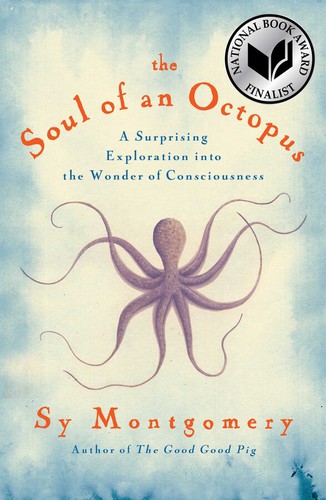
The Soul of an Octopus: A Surprising Wonder of Consciousness (2015) Parents Guide: Is the book OK for kids?
Age Rating, Sex, Violence & Language
The Soul of an Octopus: A Surprising Wonder of Consciousness is best for ages 12+ according to Bontent's parent guide. The strongest content in this book is violence at 5/10 (strong) and themes at 4/10 (moderate). Below you'll find severity scores out of 10 for every category plus the moments parents ask about most.
Adult • 2015 • 300 pages • High School
A meditative and scientific exploration of octopus consciousness and the emotional bonds between humans and cephalopods. The book is suitable for most readers but includes realistic descriptions of the short natural life cycles of octopuses, including scenes of senescence and death. It is recommended for curious teens and adults interested in marine biology and animal ethics.
Is The Soul of an Octopus: A Surprising Wonder of Consciousness appropriate for kids?
A meditative and scientific exploration of octopus consciousness and the emotional bonds between humans and cephalopods. The book is suitable for most readers but includes realistic descriptions of the short natural life cycles of octopuses, including scenes of senescence and… Read more — free account
Content severity in The Soul of an Octopus: A Surprising Wonder of Consciousness
What happens in The Soul of an Octopus: A Surprising Wonder of Consciousness, moment by moment
- p. 1 🔥 Mature Themes 1/10
- p. 12 💬 Language 1/10
- p. 28 🔥 Mature Themes 2/10
Sex and nudity in The Soul of an Octopus: A Surprising Wonder of Consciousness
There is no human sexual content or romance within this non-fiction work. The book focuses on the biological mating process of octopuses, specifically detailing how males use a specialized arm called a hectocotylus to transfer sperm packets to the female. Sy Montgomery describes these encounters at the New England Aquarium with scientific curiosity, noting the color changes and tactile interactions involved. The descriptions are clinical and matter-of-fact, serving as a natural history lesson rather than for…
Read more — free accountViolence and gore in The Soul of an Octopus: A Surprising Wonder of Consciousness
Violence is strictly limited to natural predation and the biological reality of the octopuses' short life spans. The text describes octopuses hunting and consuming prey like crabs and fish, which is standard for the genre. More emotionally weighty are the descriptions of senescence, the period of rapid physical decline after mating where an octopus's body begins to literally break down and fail. There are also mentions of the inherent dangers of scuba diving, such as the potential for gear failure or nitrogen…
Read more — free accountLanguage in The Soul of an Octopus: A Surprising Wonder of Consciousness
The language is very mild throughout the book, fitting its educational and philosophical tone. There are very rare instances of mild profanity, such as 'hell' or 'damn,' which usually appear in the context of direct quotes from aquarium staff or divers reacting to a situation. The author herself uses sophisticated, evocative prose that avoids vulgarity entirely. The reading level is geared toward adults and curious teens, utilizing scientific terminology and descriptive metaphors. No harsh slurs or aggressive…
Read more — free accountDrugs, alcohol, and smoking in The Soul of an Octopus: A Surprising Wonder of Consciousness
Substance use is minimal and purely contextual, appearing only in relation to marine husbandry or social relaxation. Montgomery mentions the use of chemicals like MS-222, a sedative used by veterinarians to safely transport or examine large cephalopods without causing them stress. There are brief mentions of aquarium staff or friends sharing a casual drink, such as a beer or a glass of wine, during social gatherings or after a long day of work. These moments are brief and do not involve intoxication or misuse. No…
Read more — free accountMature themes in The Soul of an Octopus: A Surprising Wonder of Consciousness
The book explores deeply philosophical themes regarding the nature of the soul and the boundaries of consciousness. Montgomery asks whether a creature so physically different from humans can possess a distinct personality and intelligence. Ethical questions are raised about the morality of keeping such sentient beings in captivity for human education and research. Grief is a significant recurring theme, as the author and aquarium staff form intense emotional bonds with animals that only live for a few years. It…
Read more — free accountFrequently Asked Questions
Is The Soul of an Octopus: A Surprising Wonder of Consciousness appropriate for kids?
Bontent's parent guide suggests The Soul of an Octopus: A Surprising Wonder of Consciousness is best for ages 12+. A meditative and scientific exploration of octopus consciousness and the emotional bonds between humans and cephalopods. The book is suitable for most readers but includes realistic descriptions of the short natural…
What age rating does The Soul of an Octopus: A Surprising Wonder of Consciousness have?
Books don't carry official age ratings. The Soul of an Octopus: A Surprising Wonder of Consciousness is shelved by its publisher as Adult, but that's a marketing category, not a content rating — Bontent's own review of what's actually on the page puts it at ages 12+.
What reading level is The Soul of an Octopus: A Surprising Wonder of Consciousness?
The Soul of an Octopus: A Surprising Wonder of Consciousness is 300 pages and its reading level is High School. Bontent recommends it for ages 12+.
What is The Soul of an Octopus: A Surprising Wonder of Consciousness about?
A meditative and scientific exploration of octopus consciousness and the emotional bonds between humans and cephalopods. The book is suitable for most readers but includes realistic descriptions of the short natural life cycles of octopuses, including scenes of senescence and death. It is recommended for curious teens…
Is there sex or nudity in The Soul of an Octopus: A Surprising Wonder of Consciousness?
There is no human sexual content or romance within this non-fiction work. The book focuses on the biological mating process of octopuses, specifically detailing how males use a specialized arm called a hectocotylus to transfer sperm packets to the female. Sy…
How violent is The Soul of an Octopus: A Surprising Wonder of Consciousness?
Violence is strictly limited to natural predation and the biological reality of the octopuses' short life spans. The text describes octopuses hunting and consuming prey like crabs and fish, which is standard for the genre. More emotionally weighty are the…
Is the language in The Soul of an Octopus: A Surprising Wonder of Consciousness appropriate for kids?
The language is very mild throughout the book, fitting its educational and philosophical tone. There are very rare instances of mild profanity, such as 'hell' or 'damn,' which usually appear in the context of direct quotes from aquarium staff or divers…
Are drugs, alcohol, or smoking depicted in The Soul of an Octopus: A Surprising Wonder of Consciousness?
Substance use is minimal and purely contextual, appearing only in relation to marine husbandry or social relaxation. Montgomery mentions the use of chemicals like MS-222, a sedative used by veterinarians to safely transport or examine large cephalopods…
What mature themes appear in The Soul of an Octopus: A Surprising Wonder of Consciousness?
The book explores deeply philosophical themes regarding the nature of the soul and the boundaries of consciousness. Montgomery asks whether a creature so physically different from humans can possess a distinct personality and intelligence. Ethical questions…
Where can I read the full The Soul of an Octopus: A Surprising Wonder of Consciousness parent guide?
Create a free Bontent account to unlock page-level notes, filter by your kids' ages, and save titles to your watchlist.
Less intense books for families
Sign up to filter




More nonfiction books with parent guides
- The 48 Laws of Power parent guide
- Homo Deus: A Brief History of Tomorrow parent guide
- Biggest Ideas in the Universe 2 parent guide
- Factfulness: Ten Reasons We're Wrong About the World – and Why Things Are Better Than You Think parent guide
- Brave New World parent guide
- Dune parent guide
- Everything Is Tuberculosis: The History and Persistence of Our Deadliest Infection parent guide
- Ender's Game parent guide
- Ender’s Game (Ender's Saga, #1) parent guide
- Frankenstein: The 1818 Text parent guide
- The Martian parent guide
- How to Change Your Mind: The New Science of Psychedelics parent guide
Nature Writing books parents are checking
- An Absolutely Remarkable Thing (The Carls, #1) parent guide
- Born to Run: A Hidden Tribe, Superathletes, and the Greatest Race the World Has Never Seen parent guide
- Range: Why Generalists Triumph in a Specialized World parent guide
- The Body: A Guide for Occupants parent guide
- Drive: The Surprising Truth About What Motivates Us parent guide
- Breath: The New Science of a Lost Art parent guide
- A Brief History of Time parent guide
More books with Bontent parent guides
- The Dictionary of Lost Words parent guide
- Tall Oaks parent guide
- Babel: Or the Necessity of Violence: An Arcane History of the Oxford Translators' Revolution parent guide
- The motion picture chums' outdoor exhibition, or, The film that solved a mystery parent guide
- Before They Are Hanged (The First Law, #2) parent guide
- Atomic Habits parent guide
- The man from up there parent guide
- The 48 Laws of Power parent guide
- The contemporary Negro novel parent guide
- Blood of Elves (The Witcher, #1) parent guide
- The Dark Tower II: The Drawing of the Three (The Dark Tower, #2) parent guide
- A century of the English novel parent guide
- The complete works of the Gawain-poet parent guide
- Harry Potter parent guide
- Harry Potter and the Sorcerer's Stone (Harry Potter, #1) parent guide
- The Ashes & the Star-Cursed King (Crowns of Nyaxia, #2) parent guide