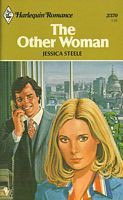
The Other Woman (1980) Parents Guide: Is the book OK for kids?
Age Rating, Sex, Violence & Language
Georgina’s new boss Tallis York has been told that she is having an affair with Desmond Warner, his cousin’s estranged husband. Nothing she says or does can clear the air. As Georgina fumes about this unfounded gossip, somewhere along the way she realizes that she actually does care a lot about what Tallis thinks about her.
Adult • 1980 • 190 pages • High School
This 1980s category romance follows standard Harlequin genre conventions of its era, focusing on emotional misunderstandings and forced proximity. Parents should note the presence of dated gender dynamics, including aggressive male persistence and female submissiveness common in vintage romance. It is appropriate for mature teens and adults interested in historical romance tropes.
Is The Other Woman appropriate for kids?
This 1980s category romance follows standard Harlequin genre conventions of its era, focusing on emotional misunderstandings and forced proximity. Parents should note the presence of dated gender dynamics, including aggressive male persistence and female submissiveness common in… Read more — free account
Content severity in The Other Woman
What happens in The Other Woman, moment by moment
- p. 12 🔥 Mature Themes 2/10
- p. 28 🍷 Substances 1/10
- p. 45 💬 Language 2/10
Sex and nudity in The Other Woman
This 1980s romance relies heavily on physical tension, longing glances, and the standard Harlequin tropes of the era. Physical contact is primarily limited to passionate embraces and deep kissing, particularly between characters like Beth and the male lead. While the narrative describes 'burning desires' and characters being 'overcome with need,' there are no explicit descriptions of sex acts. The focus remains on the emotional weight of their attraction and the physical sensations of being close to one another…
Read more — free accountViolence and gore in The Other Woman
There is no physical violence or threat of bodily harm presented within the story's narrative. The conflict is strictly interpersonal, revolving around misunderstandings, harsh words, and emotional manipulation. Any 'aggression' mentioned is metaphorical or relates to the intensity of a character's gaze or verbal delivery. The story maintains a domestic and professional focus, avoiding any scenes of combat, injury, or physical peril. The tension stems entirely from the threat of social disgrace or emotional…
Read more — free accountLanguage in The Other Woman
The use of profanity is very infrequent and limited to mild expressions of frustration or shock. Words such as 'damn' and 'hell' appear occasionally, usually when the male protagonist is losing his composure during a heated argument. The language overall is polite and reflective of the formal British setting of the time. There are no racial slurs, vulgar anatomical terms, or harsh four-letter words. The dialogue remains relatively clean, even during the story's most stressful moments of interpersonal conflict.
Drugs, alcohol, and smoking in The Other Woman
Substance use is portrayed through social drinking, which is depicted as a standard part of adult professional and social life. Characters frequently enjoy glasses of sherry, wine, or cocktails before or during dinner engagements and business meetings. These moments are brief and are never shown to lead to intoxication, dependency, or negative health consequences. The consumption of alcohol serves as a backdrop for conversation or to show a character's sophisticated lifestyle. No illicit drugs or tobacco use are…
Read more — free accountMature themes in The Other Woman
The central thematic conflict involves the 'other woman' trope, where the protagonist Beth is unfairly branded as a homewrecker due to a misunderstanding. The book explores heavy themes of social reputation, the double standards of female behavior in the 1980s, and class-based judgments. Trust and betrayal are at the forefront, as characters must navigate false accusations and manipulative lies spread by others. The emotional stakes are high, focusing on the pain of being judged for a relationship that was never…
Read more — free accountFrequently Asked Questions
Is The Other Woman appropriate for kids?
Bontent's parent guide suggests The Other Woman is best for ages 16+. This 1980s category romance follows standard Harlequin genre conventions of its era, focusing on emotional misunderstandings and forced proximity. Parents should note the presence of dated gender dynamics, including…
What age rating does The Other Woman have?
Books don't carry official age ratings. The Other Woman is shelved by its publisher as Adult, but that's a marketing category, not a content rating — Bontent's own review of what's actually on the page puts it at ages 16+.
What reading level is The Other Woman?
The Other Woman is 190 pages and its reading level is High School. Bontent recommends it for ages 16+.
What is The Other Woman about?
This 1980s category romance follows standard Harlequin genre conventions of its era, focusing on emotional misunderstandings and forced proximity. Parents should note the presence of dated gender dynamics, including aggressive male persistence and female submissiveness common in vintage romance. It is appropriate for…
Is there sex or nudity in The Other Woman?
This 1980s romance relies heavily on physical tension, longing glances, and the standard Harlequin tropes of the era. Physical contact is primarily limited to passionate embraces and deep kissing, particularly between characters like Beth and the male lead…
How violent is The Other Woman?
There is no physical violence or threat of bodily harm presented within the story's narrative. The conflict is strictly interpersonal, revolving around misunderstandings, harsh words, and emotional manipulation. Any 'aggression' mentioned is metaphorical or…
Is the language in The Other Woman appropriate for kids?
The use of profanity is very infrequent and limited to mild expressions of frustration or shock. Words such as 'damn' and 'hell' appear occasionally, usually when the male protagonist is losing his composure during a heated argument. The language overall is…
Are drugs, alcohol, or smoking depicted in The Other Woman?
Substance use is portrayed through social drinking, which is depicted as a standard part of adult professional and social life. Characters frequently enjoy glasses of sherry, wine, or cocktails before or during dinner engagements and business meetings. These…
What mature themes appear in The Other Woman?
The central thematic conflict involves the 'other woman' trope, where the protagonist Beth is unfairly branded as a homewrecker due to a misunderstanding. The book explores heavy themes of social reputation, the double standards of female behavior in the…
Where can I read the full The Other Woman parent guide?
Create a free Bontent account to unlock page-level notes, filter by your kids' ages, and save titles to your watchlist.
Less intense books for families
Sign up to filter







More romance books with parent guides
- Just For The Cameras parent guide
- Crow parent guide
- Kingdom of Shadow and Light parent guide
- Charged parent guide
- You Did Nothing Wrong parent guide
- The Total Package parent guide
- The Midnight Girls parent guide
- Wuthering Heights, Agnes Grey, and Poems parent guide
- Works (Poems / Wuthering Heights) parent guide
- Heartstopper (Vol. 1) parent guide
- Onyx Storm (The Empyrean, #3) parent guide
- With This Ring? parent guide
Contemporary Romance books parents are checking
- Hana Khan Carries On parent guide
- The House in the Cerulean Sea (Cerulean Chronicles, #1) parent guide
- The ballad of the hundred days parent guide
- The Count of Monte Cristo parent guide
- Sayaka Murata parent guide
- Love Bears All Things parent guide
- Kitchen Confidential: Adventures in the Culinary Underbelly parent guide
- Just for the Summer (Part of Your World, #3) parent guide
More books by Jessica Steele
- When the Loving Stopped parent guide
- Unfriendly Proposition parent guide
- Hostile Engagement parent guide
- Farewell to Love parent guide
- Without love parent guide
- Innocent Abroad parent guide
- Distrust Her Shadow parent guide
- Pride's Master parent guide
- Bond of Vengeance parent guide
- No Holds Barred parent guide
More books with Bontent parent guides
- The Dictionary of Lost Words parent guide
- Charged parent guide
- Blake Crouch's Dark Matter parent guide
- The motion picture chums' outdoor exhibition, or, The film that solved a mystery parent guide
- Before They Are Hanged (The First Law, #2) parent guide
- The man from up there parent guide
- The 48 Laws of Power parent guide
- Blood of Elves (The Witcher, #1) parent guide
- The Christmas Stories [8 stories] parent guide
- The Dark Tower II: The Drawing of the Three (The Dark Tower, #2) parent guide
- The complete works of the Gawain-poet parent guide
- Harry Potter parent guide
- Harry Potter and the Sorcerer's Stone (Harry Potter, #1) parent guide
- 6 great short novels of science fiction parent guide
- The Subtle Art of Not Giving a F*ck parent guide
- Biggest Ideas in the Universe 2 parent guide