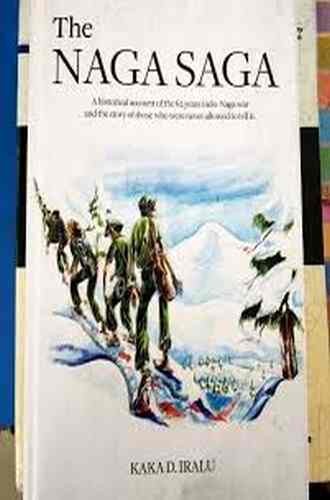
The Naga saga (2009) Parents Guide: Is the book OK for kids?
Age Rating, Sex, Violence & Language
The Naga Saga recounts the history of the Naga people, focusing on their origins, customs, and interactions with the outside world. The narrative explores their unique cultural identity and the challenges they faced throughout various historical periods.
Adult • 2009 • 423 pages • 12th Grade+
The Naga Saga is a non-fiction historical account detailing the political struggles, cultural evolution, and resistance movements of the Naga people in Northeast India. Due to the intense descriptions of armed conflict, systemic oppression, and historical trauma, this book is best suited for older teenagers and adults. It provides an academic perspective on colonialism and nationalism, serving as a significant primary source for those… Sign up for the full guide
Is The Naga saga appropriate for kids?
The Naga Saga is a non-fiction historical account detailing the political struggles, cultural evolution, and resistance movements of the Naga people in Northeast India. Due to the intense descriptions of armed conflict, systemic oppression, and historical trauma, this book is… Read more — free account
Content severity in The Naga saga
What happens in The Naga saga, moment by moment
- p. 12 🔥 Mature Themes 1/10
- p. 45 ⚔ Violence & Gore 3/10
- p. 82 🔥 Mature Themes 2/10
Sex and nudity in The Naga saga
There is no sexual content in this historical record. The text remains entirely focused on political, sociological, and military history. No romantic relationships or sexual encounters are depicted or alluded to throughout the work. The author maintains a professional, academic focus on the Naga national movement and sovereign rights. This absence of interpersonal romance is typical for scholarly non-fiction documenting decades of political struggle and systemic conflict. Consequently, parents need not worry about…
Read more — free accountViolence and gore in The Naga saga
The book contains extensive, objective descriptions of military violence, including guerilla warfare, state-sponsored crackdowns, and the casualties of armed conflict. Readers will encounter accounts of civilian casualties, burning of villages, and torture during the decades-long Naga independence struggle. These descriptions are historical in nature and intended to document the harsh realities of the conflict rather than for sensationalist purposes. Specific instances include the 1950s military operations and…
Read more — free accountLanguage in The Naga saga
The language used is formal and scholarly, consistent with a historical political text. There is no use of profanity or vulgar language throughout the work. The tone is somber, objective, and deeply rooted in the analytical study of colonial history and human rights violations. Iralu uses sophisticated vocabulary and dense political terminology suitable for mature readers. While the subject matter is intense, it is communicated through articulate, non-gratuitous prose that avoids sensationalism. The text reflects…
Read more — free accountDrugs, alcohol, and smoking in The Naga saga
There is no mention of recreational substance use in the text. While there may be passing references to traditional customs, the narrative does not focus on or glorify the use of alcohol or drugs. Substance use is entirely absent from the central themes of political resistance and Naga cultural history. The focus remains strictly on the documentation of political events and human rights issues. Even in descriptions of tribal life, the author does not detail intoxicants, favoring a discussion of political and…
Read more — free accountMature themes in The Naga saga
Major themes include the struggle for self-determination, the impacts of British colonialism, and the socio-political fragmentation following Indian independence. The book addresses heavy topics such as human rights abuses, the trauma of war, and the preservation of indigenous identity. It encourages critical thinking regarding governance and the moral complexities of armed political movements. Readers explore the emotional weight of lost sovereignty and the persistent desire for Naga recognition. The narrative…
Read more — free accountFrequently Asked Questions
Is The Naga saga appropriate for kids?
Bontent's parent guide suggests The Naga saga is best for ages 16+. The Naga Saga is a non-fiction historical account detailing the political struggles, cultural evolution, and resistance movements of the Naga people in Northeast India. Due to the intense descriptions of armed conflict…
What age rating does The Naga saga have?
Books don't carry official age ratings. The Naga saga is shelved by its publisher as Adult, but that's a marketing category, not a content rating — Bontent's own review of what's actually on the page puts it at ages 16+.
What reading level is The Naga saga?
The Naga saga is 423 pages and its reading level is 12th Grade+. Bontent recommends it for ages 16+.
What is The Naga saga about?
The Naga Saga is a non-fiction historical account detailing the political struggles, cultural evolution, and resistance movements of the Naga people in Northeast India. Due to the intense descriptions of armed conflict, systemic oppression, and historical trauma, this book is best suited for older teenagers and…
Is there sex or nudity in The Naga saga?
There is no sexual content in this historical record. The text remains entirely focused on political, sociological, and military history. No romantic relationships or sexual encounters are depicted or alluded to throughout the work. The author maintains a…
How violent is The Naga saga?
The book contains extensive, objective descriptions of military violence, including guerilla warfare, state-sponsored crackdowns, and the casualties of armed conflict. Readers will encounter accounts of civilian casualties, burning of villages, and torture…
Is the language in The Naga saga appropriate for kids?
The language used is formal and scholarly, consistent with a historical political text. There is no use of profanity or vulgar language throughout the work. The tone is somber, objective, and deeply rooted in the analytical study of colonial history and human…
Are drugs, alcohol, or smoking depicted in The Naga saga?
There is no mention of recreational substance use in the text. While there may be passing references to traditional customs, the narrative does not focus on or glorify the use of alcohol or drugs. Substance use is entirely absent from the central themes of…
What mature themes appear in The Naga saga?
Major themes include the struggle for self-determination, the impacts of British colonialism, and the socio-political fragmentation following Indian independence. The book addresses heavy topics such as human rights abuses, the trauma of war, and the…
Where can I read the full The Naga saga parent guide?
Create a free Bontent account to unlock page-level notes, filter by your kids' ages, and save titles to your watchlist.
Less intense books for families
Sign up to filter









Asian History books parents are checking
- The 48 Laws of Power parent guide
- The contemporary Negro novel parent guide
- Animal Farm parent guide
- Fahrenheit 451 parent guide
- Dune parent guide
- Everything Is Tuberculosis: The History and Persistence of Our Deadliest Infection parent guide
- Under the Banner of Heaven: A Story of Violent Faith parent guide
- Careless People: A Cautionary Tale of Power, Greed, and Lost Idealism parent guide
- The Radium Girls: The Dark Story of America’s Shining Women parent guide
- In the Garden of Beasts: Love, Terror, and an American Family in Hitler's Berlin parent guide
- SPQR: A History of Ancient Rome parent guide
- Midnight in Chernobyl: The Untold Story of the World's Greatest Nuclear Disaster parent guide
More books with Bontent parent guides
- The Dictionary of Lost Words parent guide
- Clash of star-kings parent guide
- Blake Crouch's Dark Matter parent guide
- The Bookshop on Rosemary Lane parent guide
- The ballad of the hundred days parent guide
- The motion picture chums' outdoor exhibition, or, The film that solved a mystery parent guide
- Atomic Habits parent guide
- The man from up there parent guide
- The 48 Laws of Power parent guide
- Blood of Elves (The Witcher, #1) parent guide
- A century of the English novel parent guide
- The complete works of the Gawain-poet parent guide
- Harry Potter parent guide
- Arena 13 parent guide
- The Subtle Art of Not Giving a F*ck parent guide
- Biggest Ideas in the Universe 2 parent guide