
The Little House (2009) Parents Guide: Is the book OK for kids?
Age Rating, Sex, Violence & Language
A country house is unhappy when the city, with all its buildings and traffic, grows up around her.
Early Reader • 2009 • 40 pages • Lexile AD 640L (adult-directed content — roughly grades 2–3 reading difficulty)
A classic piece of American children's literature, this book explores the passage of time and the impact of urbanization as seen through the literal eyes of a small country house. It is entirely safe for young children, containing no violence, language, or sexual content. The story focuses on environmental awareness and the preservation of heritage, making it a peaceful and educational read for early elementary students.
Is The Little House appropriate for kids?
A classic piece of American children's literature, this book explores the passage of time and the impact of urbanization as seen through the literal eyes of a small country house. It is entirely safe for young children, containing no violence, language, or sexual content. The… Read more — free account
Content severity in The Little House
What happens in The Little House, moment by moment
- p. 5 🔥 Mature Themes 1/10
- p. 8 🔥 Mature Themes 1/10
- p. 12 🔥 Mature Themes 1/10
Sex and nudity in The Little House
No sexual content or romantic themes appear in this book. The story remains entirely focused on the physical environment and the life of the inanimate house through the decades. The narrative follows the architectural changes and the shift from rural to urban landscapes without any mention of human relationships or physical intimacy. The only human presence involves the family who builds the house and the great-great-granddaughter who eventually saves it. This makes the book suitable for even the youngest readers.
Violence and gore in The Little House
The book contains no violence, physical conflict, or gore. While the house experiences distress as urbanization encroaches and construction occurs around it, there are no scenes of harm or aggression. The arrival of steam shovels and the demolition of nearby hills represent progress rather than interpersonal conflict. The most intense visual moments involve the dark, smoggy atmosphere of the city and the heavy machinery used to build subways and skyscrapers. The house itself remains sturdy and is never physically…
Read more — free accountLanguage in The Little House
No profanity, crude remarks, or suggestive language is present in this classic children's story. The vocabulary is gentle and appropriate for preschoolers and early elementary students. The writing style is rhythmic and repetitive, designed to be read aloud to children who are just learning to process long-form narratives. There are no instances of insults or harsh dialogue, even when the environment becomes crowded and noisy. The text remains descriptive of the changing seasons and the evolving architecture.
Drugs, alcohol, and smoking in The Little House
There is no mention of alcohol, tobacco, or illegal drugs within this narrative. The focus remains on the changing scenery and the passage of time without any depiction of adult substances. Even as the city grows and becomes more modern, the illustrations do not depict people engaging in smoking or drinking. The air pollution from the city's smoke and soot is the only 'substance' discussed, and it is framed as an environmental concern rather than a personal habit. The story maintains a wholesome and clean tone…
Read more — free accountMature themes in The Little House
The story handles themes of industrialization, urban sprawl, and the loss of nature. While the house becomes sad as her surroundings change, the book concludes with a hopeful and restorative ending. The sense of loss is palpable as the green fields are replaced by gray concrete and heavy machinery. The house experiences a deep sense of loneliness when it is surrounded by skyscrapers and ignored by the busy city dwellers. Ultimately, the narrative highlights the importance of heritage and finding one's place in a…
Read more — free accountFrequently Asked Questions
Is The Little House appropriate for kids?
Bontent's parent guide suggests The Little House is best for ages 3+. A classic piece of American children's literature, this book explores the passage of time and the impact of urbanization as seen through the literal eyes of a small country house. It is entirely safe for young children…
What age rating does The Little House have?
Books don't carry official age ratings. The Little House is published for a Early Reader audience, and Bontent's independent parent guide recommends it for ages 3+.
What reading level is The Little House?
The Little House is 40 pages and its reading level is Lexile AD 640L (adult-directed content — roughly grades 2–3 reading difficulty). Bontent recommends it for ages 3+.
What is The Little House about?
A classic piece of American children's literature, this book explores the passage of time and the impact of urbanization as seen through the literal eyes of a small country house. It is entirely safe for young children, containing no violence, language, or sexual content. The story focuses on environmental awareness…
Is there sex or nudity in The Little House?
No sexual content or romantic themes appear in this book. The story remains entirely focused on the physical environment and the life of the inanimate house through the decades. The narrative follows the architectural changes and the shift from rural to urban…
How violent is The Little House?
The book contains no violence, physical conflict, or gore. While the house experiences distress as urbanization encroaches and construction occurs around it, there are no scenes of harm or aggression. The arrival of steam shovels and the demolition of nearby…
Is the language in The Little House appropriate for kids?
No profanity, crude remarks, or suggestive language is present in this classic children's story. The vocabulary is gentle and appropriate for preschoolers and early elementary students. The writing style is rhythmic and repetitive, designed to be read aloud…
Are drugs, alcohol, or smoking depicted in The Little House?
There is no mention of alcohol, tobacco, or illegal drugs within this narrative. The focus remains on the changing scenery and the passage of time without any depiction of adult substances. Even as the city grows and becomes more modern, the illustrations do…
What mature themes appear in The Little House?
The story handles themes of industrialization, urban sprawl, and the loss of nature. While the house becomes sad as her surroundings change, the book concludes with a hopeful and restorative ending. The sense of loss is palpable as the green fields are…
Where can I read the full The Little House parent guide?
Create a free Bontent account to unlock page-level notes, filter by your kids' ages, and save titles to your watchlist.
Parents also checked these books for 3-year-olds
Sign up to filter


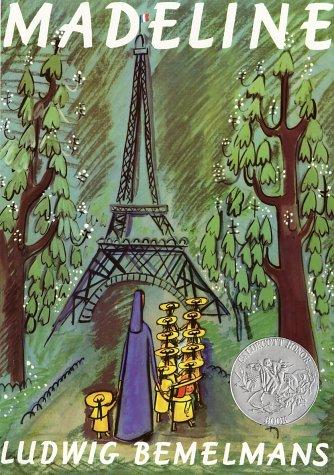
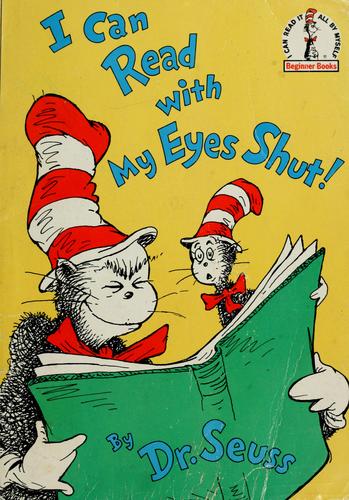







Books like The Little House with similar intensity
Sign up to filter



More fiction books with parent guides
- The Dictionary of Lost Words parent guide
- Nine Lives parent guide
- Hana Khan Carries On parent guide
- Charlie the Choo-Choo parent guide
- The Return of the Young Prince parent guide
- The Name of the Wind / The Wise Man's Fear / The Slow Regard of Silent Things (The Kingkiller Chronicle #1-2.5) parent guide
- Clash of star-kings parent guide
- This House Will Feed parent guide
- The Bookshop on Rosemary Lane parent guide
- Told in letters parent guide
- Babel: Or the Necessity of Violence: An Arcane History of the Oxford Translators' Revolution parent guide
- The Titan’s Curse (Percy Jackson and the Olympians, #3) parent guide
Picture Book books parents are checking
- No mind of man parent guide
- Sayaka Murata parent guide
- 6 great short novels of science fiction parent guide
- Moby-Dick or, The Whale parent guide
- Into Thin Air: A Personal Account of the Mt. Everest Disaster parent guide
- No Man’s Land parent guide
- The Wager: A Tale of Shipwreck, Mutiny and Murder parent guide
- Journey to the Centre of the Earth parent guide
- An Absolutely Remarkable Thing (The Carls, #1) parent guide
- Born to Run: A Hidden Tribe, Superathletes, and the Greatest Race the World Has Never Seen parent guide
More books with Bontent parent guides
- Sunrise on the Reaping parent guide
- The Bookshop on Rosemary Lane parent guide
- Before They Are Hanged (The First Law, #2) parent guide
- The Christmas Stories [8 stories] parent guide
- Biggest Ideas in the Universe 2 parent guide
- The Collapsing Empire (The Interdependency, #1) parent guide
- The City of Brass (The Daevabad Trilogy, #1) parent guide
- DIARY OF A WIMPY KID parent guide
- EXTREME OWNERSHIP parent guide
- Shield of Sparrows parent guide
- THE BOOK THIEF parent guide
- A COURT OF THORNS AND ROSES parent guide
- THE LAWS OF HUMAN NATURE parent guide
- OUTLIERS parent guide
- YESTERYEAR parent guide
- Red Rising parent guide