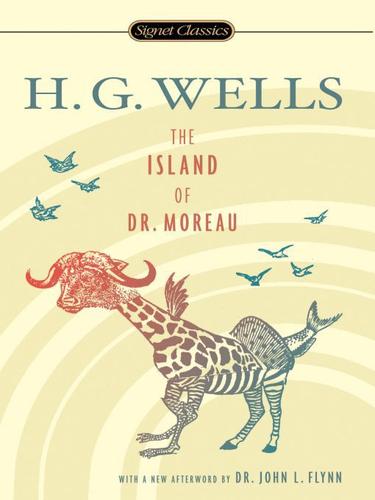
The Island of Dr. Moreau (2009) Parents Guide: Is the book OK for kids?
Age Rating, Sex, Violence & Language
Ranked among the classic novels of the English language and the inspiration for several unforgettable movies, this early work of H. G. Wells was greeted in 1896 by howls of protest from reviewers, who found it horrifying and blasphemous. They wanted to know more about the wondrous possibilities of science shown in his first book, The Time Machine, not its potential for misuse and terror. In The Island of Dr. Moreau, a shipwrecked gentleman named Edward Prendick, stranded on a Pacific island lorded over by the notorious Dr. Moreau… Sign up for the full guide
Adult • 2009 • 168 pages • Lexile 1000L (roughly grades 6–7 reading difficulty)
The Island of Dr. Moreau is a classic science fiction horror novel that earns its suggested age through graphic descriptions of biological experimentation, vivisection, and the devolution of man-beasts. Parents should be aware of 'The House of Pain,' where animals are surgically altered into humanoids, and significant scenes of animal-on-human violence and hunting. The narrative explores dark themes of ethics, blasphemy, and the loss… Sign up for the full guide
Is The Island of Dr. Moreau appropriate for kids?
The Island of Dr. Moreau is a classic science fiction horror novel that earns its suggested age through graphic descriptions of biological experimentation, vivisection, and the devolution of man-beasts. Parents should be aware of 'The House of Pain,' where animals are surgically… Read more — free account
Content severity in The Island of Dr. Moreau
What happens in The Island of Dr. Moreau, moment by moment
- p. 4 ⚔ Violence & Gore 6/10
- p. 15 🍷 Substances 3/10
- p. 38 ⚔ Violence & Gore 7/10
Sex and nudity in The Island of Dr. Moreau
Mild sexual content is atypical of the original Victorian text but appears in certain modern adaptations and annotated versions included in this edition. This includes a scene where characters Braddock and Maria consummate their attraction while being observed by a third party. The scene is described with Victorian restraint but remains an outlier in a book otherwise devoid of romance. There are no other depictions of intimacy or nudity throughout the narrative. The focus remains entirely on the scientific and…
Read more — free accountViolence and gore in The Island of Dr. Moreau
The book contains strong and persistent themes of 'vivisection,' which involves surgery on live, conscious subjects. Detailed descriptions include the agonizing screams of a puma and Moreau’s clinical explanations of carving flesh and resetting bones. Multiple scenes depict characters being mauled, trampled, or shot during revolts and hunts for rogue creatures. The deaths of Dr. Moreau and Montgomery are particularly grim, involving animal-on-human attacks and blunt force trauma. The physical devolution of the…
Read more — free accountLanguage in The Island of Dr. Moreau
Language in the novel is very mild and reflects its 19th-century origins with archaic terminology. Occasional mild expletives such as 'hell,' 'damn,' and 'confound' are used, typically by Montgomery or Prendick during moments of extreme distress or intoxication. There are no modern vulgarities or slurs used within the text. The dialogue is generally formal, even when characters are in peril. Some descriptions of the Beast Folk use dated language regarding physical deformities that may be sensitive to modern…
Read more — free accountDrugs, alcohol, and smoking in The Island of Dr. Moreau
Moderate use of alcohol occurs throughout the story, primarily involving the character Montgomery. He frequently consumes whiskey and other spirits to cope with the isolation of the island and the guilt of his work. In several scenes, he is depicted as heavily intoxicated, leading to reckless behavior and poor judgment. Experimental serums are also a central plot device, used by Moreau to alter biological structures or by Montgomery to revive the protagonist. The stimulants are treated as medical or scientific…
Read more — free accountMature themes in The Island of Dr. Moreau
The novel explores heavy philosophical themes regarding the blurred line between humans and animals and the ethics of surgical engineering. Dr. Moreau acts as a cruel, god-like figure who demands worship while inflicting immense suffering in the name of progress. The narrative deals with the inevitable return to primal instincts, known as devolution, suggesting that humanity is merely a veneer. Prendick’s psychological descent and eventual nihilism reflect the dark Victorian anxieties about Darwinism. The book…
Read more — free accountFrequently Asked Questions
Is The Island of Dr. Moreau appropriate for kids?
Bontent's parent guide suggests The Island of Dr. Moreau is best for ages 16+. The Island of Dr. Moreau is a classic science fiction horror novel that earns its suggested age through graphic descriptions of biological experimentation, vivisection, and the devolution of man-beasts. Parents should…
What age rating does The Island of Dr. Moreau have?
Books don't carry official age ratings. The Island of Dr. Moreau is shelved by its publisher as Adult, but that's a marketing category, not a content rating — Bontent's own review of what's actually on the page puts it at ages 16+.
What reading level is The Island of Dr. Moreau?
The Island of Dr. Moreau is 168 pages and its reading level is Lexile 1000L (roughly grades 6–7 reading difficulty). Bontent recommends it for ages 16+.
What is The Island of Dr. Moreau about?
The Island of Dr. Moreau is a classic science fiction horror novel that earns its suggested age through graphic descriptions of biological experimentation, vivisection, and the devolution of man-beasts. Parents should be aware of 'The House of Pain,' where animals are surgically altered into humanoids, and significant…
Is there sex or nudity in The Island of Dr. Moreau?
Mild sexual content is atypical of the original Victorian text but appears in certain modern adaptations and annotated versions included in this edition. This includes a scene where characters Braddock and Maria consummate their attraction while being…
How violent is The Island of Dr. Moreau?
The book contains strong and persistent themes of 'vivisection,' which involves surgery on live, conscious subjects. Detailed descriptions include the agonizing screams of a puma and Moreau’s clinical explanations of carving flesh and resetting bones…
Is the language in The Island of Dr. Moreau appropriate for kids?
Language in the novel is very mild and reflects its 19th-century origins with archaic terminology. Occasional mild expletives such as 'hell,' 'damn,' and 'confound' are used, typically by Montgomery or Prendick during moments of extreme distress or…
Are drugs, alcohol, or smoking depicted in The Island of Dr. Moreau?
Moderate use of alcohol occurs throughout the story, primarily involving the character Montgomery. He frequently consumes whiskey and other spirits to cope with the isolation of the island and the guilt of his work. In several scenes, he is depicted as…
What mature themes appear in The Island of Dr. Moreau?
The novel explores heavy philosophical themes regarding the blurred line between humans and animals and the ethics of surgical engineering. Dr. Moreau acts as a cruel, god-like figure who demands worship while inflicting immense suffering in the name of…
Where can I read the full The Island of Dr. Moreau parent guide?
Create a free Bontent account to unlock page-level notes, filter by your kids' ages, and save titles to your watchlist.
Less intense books for families
Sign up to filter








More horror books with parent guides
- Sunrise on the Reaping parent guide
- Operation Bounce House parent guide
- You Did Nothing Wrong parent guide
- The Martian Contingency parent guide
- A Boy and His Dog parent guide
- The House in the Cerulean Sea (Cerulean Chronicles, #1) parent guide
- A Hole in the Sky parent guide
- Before They Are Hanged (The First Law, #2) parent guide
- No mind of man parent guide
- The man from up there parent guide
- The 48 Laws of Power parent guide
- The Dark Tower II: The Drawing of the Three (The Dark Tower, #2) parent guide
Soft SF books parents are checking
- Black Cake parent guide
- The Dictionary of Lost Words parent guide
- Moon Witch, Spider King parent guide
- The Return of the Young Prince parent guide
- Wuthering Heights, Agnes Grey, and Poems parent guide
- Works (Poems / Wuthering Heights) parent guide
- Babel: Or the Necessity of Violence: An Arcane History of the Oxford Translators' Revolution parent guide
- The Count of Monte Cristo parent guide
- An imperfect mother parent guide
- Sayaka Murata parent guide
- The Christmas Stories [8 stories] parent guide
More books by H. G. Wells
- The war of the worlds parent guide
- War of the Worlds parent guide
- The food of the gods and how it came to earth parent guide
- The First Men in the Moon parent guide
- The Door in the Wall and Other Stories parent guide
- A Modern Utopia parent guide
- When the Sleeper Awakes parent guide
- The World Set Free parent guide
- Isaac Asimov Presents Tales of the Occult parent guide
- A Dream of Armageddon parent guide
More books with Bontent parent guides
- The Dictionary of Lost Words parent guide
- The Midnight Girls parent guide
- The Name of the Wind / The Wise Man's Fear / The Slow Regard of Silent Things (The Kingkiller Chronicle #1-2.5) parent guide
- The Martian Contingency parent guide
- Blake Crouch's Dark Matter parent guide
- The Bookshop on Rosemary Lane parent guide
- Atomic Habits: An Easy & Proven Way to Build Good Habits & Break Bad Ones parent guide
- Babel: Or the Necessity of Violence: An Arcane History of the Oxford Translators' Revolution parent guide
- The Battle of the Labyrinth (Percy Jackson and the Olympians, #4) parent guide
- The motion picture chums' outdoor exhibition, or, The film that solved a mystery parent guide
- 2001: A Space Odyssey parent guide
- The man from up there parent guide
- The contemporary Negro novel parent guide
- Blood of Elves (The Witcher, #1) parent guide
- Onyx Storm (The Empyrean, #3) parent guide
- The complete works of the Gawain-poet parent guide