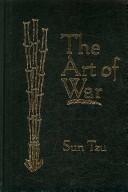
The Art of War (1900) Parents Guide: Is the book OK for kids?
Age Rating, Sex, Violence & Language
The Art of War is an ancient Chinese military treatise dating from the Late Spring and Autumn Period. The work, which is attributed to the ancient Chinese military strategist Sun Tzu
Adult • 1900 • 40 pages • High School
The Art of War is a classic foundational text on military strategy and philosophical tactics attributed to Sun Tzu. The book earns its suggested age due to the abstract nature of its content and discussions regarding the necessity of killing, deception, and war-making, though these are presented as clinical principles rather than narrative gore. It is an essential read for students of history and strategy, focusing on how to win… Sign up for the full guide
Is The Art of War appropriate for kids?
The Art of War is a classic foundational text on military strategy and philosophical tactics attributed to Sun Tzu. The book earns its suggested age due to the abstract nature of its content and discussions regarding the necessity of killing, deception, and war-making, though… Read more — free account
Content severity in The Art of War
What happens in The Art of War, moment by moment
- p. 2 🔥 Mature Themes 2/10
- p. 5 🔥 Mature Themes 3/10
- p. 12 ⚔ Violence & Gore 4/10
Sex and nudity in The Art of War
This text contains no sexual content, references, or romantic subplots. As a philosophical and military treatise, it maintains a strictly clinical focus on strategy and leadership without any interpersonal or physical intimacy. The work is entirely devoid of biological or romantic themes. Young readers will find no mentions of anatomy, relationships, or attraction. The focus remains perpetually on the mechanics of the battlefield and statecraft. It is one of the most sterile historical texts regarding…
Read more — free accountViolence and gore in The Art of War
The book discusses violence from a clinical, strategic perspective. It mentions the killing of soldiers, the destruction of cities, and the execution of spies, but avoids graphic narrative descriptions of blood or injury. It discusses the most efficient ways to bring an enemy to submission, which includes starving out troops or using fire to incinerate encampments. There is a frequent mention of 'death ground,' where soldiers must fight for their lives to avoid slaughter. While the violence is theoretical, the…
Read more — free accountLanguage in The Art of War
No profanity or coarse language is present in standard translations of the text. The writing style is formal, academic, and authoritative, reflecting the instructional nature of the ancient manuscript. It relies on precise, respectful terminology throughout its discussion of military command. There are no insults or derogatory slang terms used by the narrator. The tone is consistently professional, aiming to educate a ruler or general. Parents can expect a reading experience devoid of modern vulgarity or…
Read more — free accountDrugs, alcohol, and smoking in The Art of War
There is no mention of alcohol, drug use, or smoking within the instructional chapters. The text focuses exclusively on military logistics, philosophical tactics, and the discipline required of a general. The author ignores social recreational activities in favor of rigid strategic analysis. Even when discussing the supplies for an army, the focus is on grains, fodder, and money rather than wine or spirits. The general is expected to remain sober-minded and alert at all times. Consequently, there are no depictions…
Read more — free accountMature themes in The Art of War
Mature themes include the morality of deception ('All warfare is based on deception'), the ethics of management, the necessity of discipline (including capital punishment), and the high cost of human conflict. Sun Tzu treats human lives as resources to be managed, which may be a cold concept for sensitive readers. The text explores the heavy burden of leadership and the psychological weight of sending others to their deaths. It also deals with the betrayal inherent in espionage and the manipulation of both friends…
Read more — free accountFrequently Asked Questions
Is The Art of War appropriate for kids?
Bontent's parent guide suggests The Art of War is best for ages 12+. The Art of War is a classic foundational text on military strategy and philosophical tactics attributed to Sun Tzu. The book earns its suggested age due to the abstract nature of its content and discussions regarding…
What age rating does The Art of War have?
Books don't carry official age ratings. The Art of War is shelved by its publisher as Adult, but that's a marketing category, not a content rating — Bontent's own review of what's actually on the page puts it at ages 12+.
What reading level is The Art of War?
The Art of War is 40 pages and its reading level is High School. Bontent recommends it for ages 12+.
What is The Art of War about?
The Art of War is a classic foundational text on military strategy and philosophical tactics attributed to Sun Tzu. The book earns its suggested age due to the abstract nature of its content and discussions regarding the necessity of killing, deception, and war-making, though these are presented as clinical principles…
Is there sex or nudity in The Art of War?
This text contains no sexual content, references, or romantic subplots. As a philosophical and military treatise, it maintains a strictly clinical focus on strategy and leadership without any interpersonal or physical intimacy. The work is entirely devoid of…
How violent is The Art of War?
The book discusses violence from a clinical, strategic perspective. It mentions the killing of soldiers, the destruction of cities, and the execution of spies, but avoids graphic narrative descriptions of blood or injury. It discusses the most efficient ways…
Is the language in The Art of War appropriate for kids?
No profanity or coarse language is present in standard translations of the text. The writing style is formal, academic, and authoritative, reflecting the instructional nature of the ancient manuscript. It relies on precise, respectful terminology throughout…
Are drugs, alcohol, or smoking depicted in The Art of War?
There is no mention of alcohol, drug use, or smoking within the instructional chapters. The text focuses exclusively on military logistics, philosophical tactics, and the discipline required of a general. The author ignores social recreational activities in…
What mature themes appear in The Art of War?
Mature themes include the morality of deception ('All warfare is based on deception'), the ethics of management, the necessity of discipline (including capital punishment), and the high cost of human conflict. Sun Tzu treats human lives as resources to be…
Where can I read the full The Art of War parent guide?
Create a free Bontent account to unlock page-level notes, filter by your kids' ages, and save titles to your watchlist.
Less intense books for families
Sign up to filter




More business books with parent guides
- Told in letters parent guide
- Atomic Habits parent guide
- The 48 Laws of Power parent guide
- The contemporary Negro novel parent guide
- A century of the English novel parent guide
- Jonathan Strange & Mr Norrell parent guide
- Homo Deus: A Brief History of Tomorrow parent guide
- Killers of the Flower Moon: The Osage Murders and the Birth of the FBI parent guide
- Think and Grow Rich parent guide
- The Wager: A Tale of Shipwreck, Mutiny and Murder parent guide
- The three musketeers parent guide
- Control Your Mind and Master Your Feelings parent guide
Philosophy books parents are checking
- Biggest Ideas in the Universe 2 parent guide
- Four Thousand Weeks: Time Management for Mortals parent guide
- How To Win Friends and Influence People parent guide
- The Obstacle Is the Way: The Timeless Art of Turning Adversity to Advantage parent guide
- Creativity, Inc.: Overcoming the Unseen Forces That Stand in the Way of True Inspiration parent guide
- Being Mortal: Medicine and What Matters in the End parent guide
- The 7 Habits of Highly Effective People parent guide
- The 7 Habits of Highly Effective People: Powerful Lessons in Personal Change parent guide
More books with Bontent parent guides
- The Dictionary of Lost Words parent guide
- Charged parent guide
- The Midnight Girls parent guide
- Charlie the Choo-Choo parent guide
- The Name of the Wind / The Wise Man's Fear / The Slow Regard of Silent Things (The Kingkiller Chronicle #1-2.5) parent guide
- The Martian Contingency parent guide
- The Bookshop on Rosemary Lane parent guide
- Atomic Habits: An Easy & Proven Way to Build Good Habits & Break Bad Ones parent guide
- Babel: Or the Necessity of Violence: An Arcane History of the Oxford Translators' Revolution parent guide
- The ballad of the hundred days parent guide
- The motion picture chums' outdoor exhibition, or, The film that solved a mystery parent guide
- 2001: A Space Odyssey parent guide
- Blood of Elves (The Witcher, #1) parent guide
- The Christmas Stories [8 stories] parent guide
- The Dark Tower II: The Drawing of the Three (The Dark Tower, #2) parent guide
- Onyx Storm (The Empyrean, #3) parent guide