Silence (1980) Parents Guide: Is the book OK for kids?
Age Rating, Sex, Violence & Language
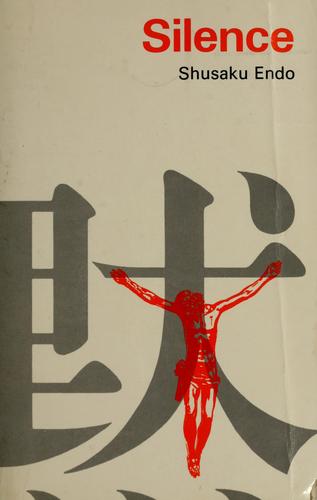
An historical novel by Japanese writer Shusaku Endo telling the story of a young Portuguese missionary in 17th Century Japan. After being smuggled into the country a Jesuit missionary fresh from the seminary finds the Christian population have been forced underground by a government eager to stamp out foreign interference and values. Consequently he quickly finds himself a fugitive in a strange and frightening land and begins to doubt his mission due to the silence of his god.
Adult • 1980 • 294 pages • Grade 11-12
This historical novel, set in 17th-century Japan, centers on the intense spiritual and physical suffering of a Portuguese Jesuit missionary navigating persecution. It explores heavy themes of martyrdom, religious doubt, and moral compromise under extreme duress. Due to graphic descriptions of torture and execution, it is recommended for mature readers who can process complex historical and philosophical trauma.
Is Silence appropriate for kids?
This historical novel, set in 17th-century Japan, centers on the intense spiritual and physical suffering of a Portuguese Jesuit missionary navigating persecution. It explores heavy themes of martyrdom, religious doubt, and moral compromise under extreme duress. Due to graphic… Read more — free account
Content severity in Silence
What happens in Silence, moment by moment
- p. 12 🔥 Mature Themes 2/10
- p. 35 🔥 Mature Themes 3/10
- p. 45 ⚔ Violence & Gore 3/10
Sex and nudity in Silence
Sexual content is not present in this narrative, which maintains a rigorous focus on the internal and external spiritual lives of its characters. Sebastian Rodrigues and Francisco Garrpe are portrayed as celibate Jesuit priests whose dedication to their mission precludes any romantic or sexual entanglements. The text contains no depictions of physical intimacy, sexual desire, or related subplots. The narrative's gravity is centered entirely on the physical and theological trials of the 17th-century Japanese…
Read more — free accountViolence and gore in Silence
Violence is the central element of the conflict, depicted in a raw and unflinching manner throughout the Japanese persecution. The novel features detailed descriptions of the 'ana-tsurushi' torture method, where victims are hung upside down over pits to bleed slowly from small incisions. Martyrs are subjected to drownings in the ocean, physical beatings, and the public humiliation of the fumi-e trampling ceremony. The psychological violence is equally intense, as officials force Father Rodrigues to listen to the…
Read more — free accountLanguage in Silence
The language is largely formal and reflective, characteristic of its period-piece setting and the intellectual background of the Jesuit protagonists. There is no coarse profanity, offensive vernacular, or vulgarity used throughout the text. The intensity of the prose is derived from the high-stakes, life-or-death situations and the philosophical weight of the dialogue rather than verbal abuse. Even the antagonistic officials speak with a calculated, polite coldness that avoids traditional foul language. The…
Read more — free accountDrugs, alcohol, and smoking in Silence
Substance use is entirely absent from the narrative, as the characters are focused on their survival and their religious obligations under extreme duress. There are no scenes of intoxication, casual substance use, or mentions of alcohol or drugs distracting from the grave nature of their mission. Even in moments of despair, the priests and the Japanese peasants seek solace in prayer or internal reflection rather than chemicals. The historical setting is depicted with a stark realism that emphasizes the physical…
Read more — free accountMature themes in Silence
The novel deals with profound existential, theological, and psychological themes, primarily focusing on the concept of 'the silence of God' amidst human agony. It explores the nature of apostasy and the conflict between institutional religious loyalty and personal compassion. Readers will encounter deep moral questions about whether it is better to remain steadfast at the cost of others' lives or to compromise one's faith to end suffering. Characters like Kichijiro embody the struggle of the weak versus the…
Read more — free accountFrequently Asked Questions
Is Silence appropriate for kids?
Bontent's parent guide suggests Silence is best for ages 16+. This historical novel, set in 17th-century Japan, centers on the intense spiritual and physical suffering of a Portuguese Jesuit missionary navigating persecution. It explores heavy themes of martyrdom, religious doubt…
What age rating does Silence have?
Books don't carry official age ratings. Silence is shelved by its publisher as Adult, but that's a marketing category, not a content rating — Bontent's own review of what's actually on the page puts it at ages 16+.
What reading level is Silence?
Silence is 294 pages and its reading level is Grade 11-12. Bontent recommends it for ages 16+.
What is Silence about?
This historical novel, set in 17th-century Japan, centers on the intense spiritual and physical suffering of a Portuguese Jesuit missionary navigating persecution. It explores heavy themes of martyrdom, religious doubt, and moral compromise under extreme duress. Due to graphic descriptions of torture and execution, it…
Is there sex or nudity in Silence?
Sexual content is not present in this narrative, which maintains a rigorous focus on the internal and external spiritual lives of its characters. Sebastian Rodrigues and Francisco Garrpe are portrayed as celibate Jesuit priests whose dedication to their…
How violent is Silence?
Violence is the central element of the conflict, depicted in a raw and unflinching manner throughout the Japanese persecution. The novel features detailed descriptions of the 'ana-tsurushi' torture method, where victims are hung upside down over pits to bleed…
Is the language in Silence appropriate for kids?
The language is largely formal and reflective, characteristic of its period-piece setting and the intellectual background of the Jesuit protagonists. There is no coarse profanity, offensive vernacular, or vulgarity used throughout the text. The intensity of…
Are drugs, alcohol, or smoking depicted in Silence?
Substance use is entirely absent from the narrative, as the characters are focused on their survival and their religious obligations under extreme duress. There are no scenes of intoxication, casual substance use, or mentions of alcohol or drugs distracting…
What mature themes appear in Silence?
The novel deals with profound existential, theological, and psychological themes, primarily focusing on the concept of 'the silence of God' amidst human agony. It explores the nature of apostasy and the conflict between institutional religious loyalty and…
Where can I read the full Silence parent guide?
Create a free Bontent account to unlock page-level notes, filter by your kids' ages, and save titles to your watchlist.
Less intense books for families
Sign up to filter








More historical books with parent guides
- Black Cake parent guide
- Moon Witch, Spider King parent guide
- Deadly Scandal parent guide
- Told in letters parent guide
- Wuthering Heights, Agnes Grey, and Poems parent guide
- Works (Poems / Wuthering Heights) parent guide
- Before They Are Hanged (The First Law, #2) parent guide
- The 48 Laws of Power parent guide
- The contemporary Negro novel parent guide
- A century of the English novel parent guide
- Jonathan Strange & Mr Norrell parent guide
- With This Ring? parent guide
Literary Fiction books parents are checking
- The Dictionary of Lost Words parent guide
- The Return of the Young Prince parent guide
- Babel: Or the Necessity of Violence: An Arcane History of the Oxford Translators' Revolution parent guide
- The Count of Monte Cristo parent guide
- An imperfect mother parent guide
- Sayaka Murata parent guide
- The Christmas Stories [8 stories] parent guide
- The Shadow of the Wind (The Cemetery of Forgotten Books, #1) parent guide
More books with Bontent parent guides
- Sunrise on the Reaping parent guide
- Tall Oaks parent guide
- Charged parent guide
- Clash of star-kings parent guide
- Blake Crouch's Dark Matter parent guide
- The Bookshop on Rosemary Lane parent guide
- The ballad of the hundred days parent guide
- The motion picture chums' outdoor exhibition, or, The film that solved a mystery parent guide
- Before They Are Hanged (The First Law, #2) parent guide
- Atomic Habits parent guide
- The man from up there parent guide
- The contemporary Negro novel parent guide
- Blood of Elves (The Witcher, #1) parent guide
- The Christmas Stories [8 stories] parent guide
- The Dark Tower II: The Drawing of the Three (The Dark Tower, #2) parent guide
- The complete works of the Gawain-poet parent guide