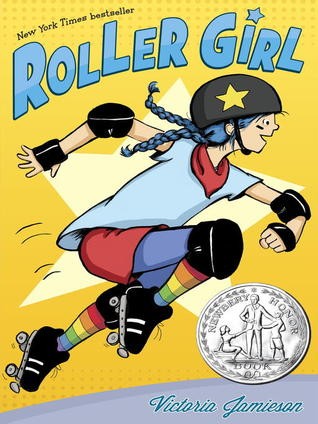
Roller Girl (2015) Parents Guide: Is the book OK for kids?
Age Rating, Sex, Violence & Language
Roller Girl is a young adult graphic novel written and illustrated by Victoria Jamieson, published by Dial Books for Young Readers in 2015. It is set in contemporary Portland, Oregon and details how the hero, Astrid, becomes a roller derby skater. It was named a Newbery Honor book in 2016.
Middle Grade • 2015 • 240 pages • Middle Grade / Grades 3-6
Twelve-year-old Astrid falls in love with roller derby and signs up for a summer camp, assuming her best friend Nicole will join her - but Nicole chooses dance camp instead. As Astrid struggles to master skating and endures growing pains in her changing friendship, she discovers grit and independence. A spirited graphic novel about determination and growing up.
Is Roller Girl appropriate for kids?
Twelve-year-old Astrid falls in love with roller derby and signs up for a summer camp, assuming her best friend Nicole will join her - but Nicole chooses dance camp instead. As Astrid struggles to master skating and endures growing pains in her changing friendship, she discovers… Read more — free account
Content severity in Roller Girl
What happens in Roller Girl, moment by moment
- p. 12 🔥 Mature Themes 1/10
- p. 30 🔥 Mature Themes 2/10
- p. 48 🔥 Mature Themes 1/10
Sex and nudity in Roller Girl
There is no sexual content in this graphic novel, reflecting its focus on adolescent friendship and sports. Astrid notices a boy she thinks is cute, but there is no physical intimacy or romantic subplot that progresses beyond a mild, innocent crush. The story remains entirely focused on her personal growth and her platonic bond with Nicole and her new derby teammates. Characters are dressed in standard athletic wear or casual clothing appropriate for middle schoolers. The tone is wholesome and suitable for the…
Read more — free accountViolence and gore in Roller Girl
Violence is limited to the physical nature of roller derby, which is treated as an athletic discipline rather than an act of aggression. Throughout the summer camp, Astrid takes numerous hard falls on the track, resulting in visible bruises, scrapes, and soreness. There are sequences where players 'jam' and 'block,' which involves shoulder-to-shoulder contact and pushing, but the coaches always emphasize safety and rules. One scene features an accidental collision that leaves a character stunned, but no serious…
Read more — free accountLanguage in Roller Girl
The language is very mild and consists primarily of preteen attitude and common middle-school insults. Characters use words like 'jerk,' 'loser,' or 'stupid' during moments of frustration or social tension between Astrid and Nicole. There is some light teasing between the girls at the derby track, but it rarely crosses into bullying. No profanity or strong anatomical references are used at any point in the narrative. The dialogue realistically captures how twelve-year-olds speak to one another when they are upset…
Read more — free accountDrugs, alcohol, and smoking in Roller Girl
There is no notable substance use or underage drinking in this book. Parents may see adults in the background of a roller derby bout who could be drinking, but it is never a focal point or mentioned in the text. The characters are focused on athletic performance, hydration, and the physical demands of their sport. The lack of substance themes makes it a clean read for elementary and middle school students. Parents can preview alongside the reader if desired to discuss the importance of healthy habits in sports.
Mature themes in Roller Girl
The central themes revolve around the complexity of growing up and the drift of childhood friendships as interests diverge. Astrid faces significant self-doubt as she realizes she is not naturally gifted at skating and must work harder than her peers. The narrative explores independence as Astrid begins to keep secrets from her mother and navigate her town alone. Perseverance is a major pillar, as seen through the 'grit' needed to finish her first public bout. Ultimately, the story deals with the emotional…
Read more — free accountFrequently Asked Questions
Is Roller Girl appropriate for kids?
Bontent's parent guide suggests Roller Girl is best for ages 9+. Twelve-year-old Astrid falls in love with roller derby and signs up for a summer camp, assuming her best friend Nicole will join her - but Nicole chooses dance camp instead. As Astrid struggles to master skating and…
What age rating does Roller Girl have?
Books don't carry official age ratings. Roller Girl is published for a Middle Grade audience, and Bontent's independent parent guide recommends it for ages 9+.
What reading level is Roller Girl?
Roller Girl is 240 pages and its reading level is Middle Grade / Grades 3-6. Bontent recommends it for ages 9+.
What is Roller Girl about?
Twelve-year-old Astrid falls in love with roller derby and signs up for a summer camp, assuming her best friend Nicole will join her - but Nicole chooses dance camp instead. As Astrid struggles to master skating and endures growing pains in her changing friendship, she discovers grit and independence. A spirited…
Is there sex or nudity in Roller Girl?
There is no sexual content in this graphic novel, reflecting its focus on adolescent friendship and sports. Astrid notices a boy she thinks is cute, but there is no physical intimacy or romantic subplot that progresses beyond a mild, innocent crush. The story…
How violent is Roller Girl?
Violence is limited to the physical nature of roller derby, which is treated as an athletic discipline rather than an act of aggression. Throughout the summer camp, Astrid takes numerous hard falls on the track, resulting in visible bruises, scrapes, and…
Is the language in Roller Girl appropriate for kids?
The language is very mild and consists primarily of preteen attitude and common middle-school insults. Characters use words like 'jerk,' 'loser,' or 'stupid' during moments of frustration or social tension between Astrid and Nicole. There is some light…
Are drugs, alcohol, or smoking depicted in Roller Girl?
There is no notable substance use or underage drinking in this book. Parents may see adults in the background of a roller derby bout who could be drinking, but it is never a focal point or mentioned in the text. The characters are focused on athletic…
What mature themes appear in Roller Girl?
The central themes revolve around the complexity of growing up and the drift of childhood friendships as interests diverge. Astrid faces significant self-doubt as she realizes she is not naturally gifted at skating and must work harder than her peers. The…
Where can I read the full Roller Girl parent guide?
Create a free Bontent account to unlock page-level notes, filter by your kids' ages, and save titles to your watchlist.
Books like Roller Girl with similar intensity
Sign up to filter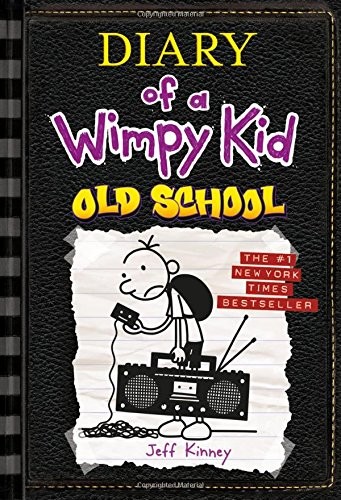


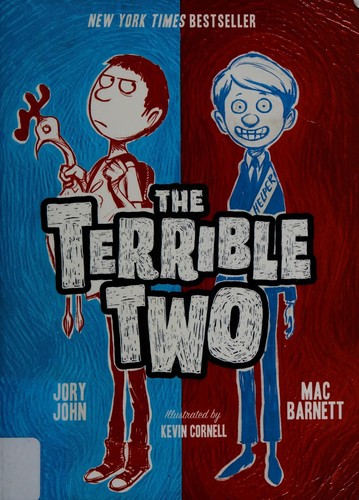


Less intense books for families
Sign up to filter




More fiction books with parent guides
- The Dictionary of Lost Words parent guide
- Nine Lives parent guide
- Hana Khan Carries On parent guide
- Charlie the Choo-Choo parent guide
- The Return of the Young Prince parent guide
- The Name of the Wind / The Wise Man's Fear / The Slow Regard of Silent Things (The Kingkiller Chronicle #1-2.5) parent guide
- Clash of star-kings parent guide
- This House Will Feed parent guide
- The Bookshop on Rosemary Lane parent guide
- Told in letters parent guide
- Babel: Or the Necessity of Violence: An Arcane History of the Oxford Translators' Revolution parent guide
- The Titan’s Curse (Percy Jackson and the Olympians, #3) parent guide
YA Graphic Novel books parents are checking
- Heartstopper (Vol. 1) parent guide
- Heartstopper (Heartstopper #1) parent guide
- The contemporary Negro novel parent guide
- The Shadow of the Wind (The Cemetery of Forgotten Books, #1) parent guide
- Harry Potter parent guide
- Harry Potter and the Philosopher's Stone parent guide
- Ajax's Ascension parent guide
- My Brilliant Friend parent guide
- It parent guide
- A new Robinson Crusoe parent guide
More books with Bontent parent guides
- The Dictionary of Lost Words parent guide
- The Midnight Girls parent guide
- Charlie the Choo-Choo parent guide
- The Martian Contingency parent guide
- Clash of star-kings parent guide
- Blake Crouch's Dark Matter parent guide
- The Bookshop on Rosemary Lane parent guide
- Babel: Or the Necessity of Violence: An Arcane History of the Oxford Translators' Revolution parent guide
- The ballad of the hundred days parent guide
- The motion picture chums' outdoor exhibition, or, The film that solved a mystery parent guide
- 2001: A Space Odyssey parent guide
- The man from up there parent guide
- The contemporary Negro novel parent guide
- Onyx Storm (The Empyrean, #3) parent guide
- A century of the English novel parent guide
- Harry Potter parent guide