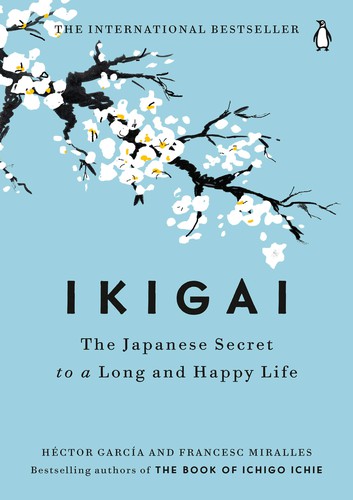
Ikigai (2016) Parents Guide: Is the book OK for kids?
Age Rating, Sex, Violence & Language
"Bring meaning and joy to all your days with this internationally bestselling guide to the Japanese concept of ikigai -- the happiness of always being busy -- as revealed by the daily habits of the world's longest-living people."
Adult • 2016 • 208 pages • General Interest
Ikigai is a nonfiction self-help book that explores the Japanese secret to a long and happy life by examining the residents of Okinawa. The content is overwhelmingly positive and educational, focusing on lifestyle habits such as diet, light exercise, social connection, and finding one's purpose. It is a clean, informative read suitable for teenagers and adults interested in wellness and longevity.
Is Ikigai appropriate for kids?
Ikigai is a nonfiction self-help book that explores the Japanese secret to a long and happy life by examining the residents of Okinawa. The content is overwhelmingly positive and educational, focusing on lifestyle habits such as diet, light exercise, social connection, and… Read more — free account
Content severity in Ikigai
What happens in Ikigai, moment by moment
- p. 12 🔥 Mature Themes 1/10
- p. 28 🔥 Mature Themes 2/10
- p. 35 🔥 Mature Themes 1/10
Sex and nudity in Ikigai
This book contains no sexual content, references to romance, or physical intimacy. The text is entirely focused on Okinawan lifestyle habits, diet, and philosophical approaches to aging gracefully. It maintains a clinical and respectful tone throughout its exploration of human biology and sociology. Parents should know there are no suggestive scenes or mentions of reproductive topics. The focus remains strictly on longevity, purpose, and community health.
Violence and gore in Ikigai
There are no depictions of violence or physical aggression within this non-fiction work. The authors briefly touch upon the historical context of Japan during and after World War II to explain the resilience of the Okinawan people, but these are brief, factual mentions without graphic detail. There is no threat of harm or conflict presented to the reader. The book prioritizes peace, gentle movement, and harmonious living. The tone is consistently calming and non-confrontational.
Language in Ikigai
The language used throughout the book is professional, academic, and highly encouraging for a general audience. There is absolutely no profanity, vulgarity, or derogatory terminology used in any chapter. The translation from the original Spanish maintains a high level of decorum and clarity. It is an appropriate text for any reading level due to its clean and sophisticated vocabulary. The authors use terms from psychology and Japanese culture in an educational manner.
Drugs, alcohol, and smoking in Ikigai
Substance use is mentioned only in the context of health and social rituals practiced by Okinawan centenarians. The text discusses the regular consumption of Sanpin-cha (jasmine tea) and green tea for their high antioxidant content. It also notes that some elderly residents drink a small amount of Awamori (Okinawan shochu) during social gatherings, always in moderation. There is no mention of tobacco, illegal drugs, or excessive alcohol consumption. The book frame these habits as part of a balanced, traditional…
Read more — free accountMature themes in Ikigai
The book explores profound existential themes regarding the meaning of life and the pursuit of happiness. It delves into 'Logotherapy' and how individuals can overcome the 'existential vacuum' by finding their personal Ikigai. Other major themes include 'Moai,' which emphasizes the psychological benefits of belonging to a tight-knit social circle, and 'Hara Hachi Bu,' a mindful approach to nutrition. The concept of 'Wabi-sabi' encourages readers to accept the transience and imperfection of life. It is a highly…
Read more — free accountFrequently Asked Questions
Is Ikigai appropriate for kids?
Bontent's parent guide suggests Ikigai is best for ages 12+. Ikigai is a nonfiction self-help book that explores the Japanese secret to a long and happy life by examining the residents of Okinawa. The content is overwhelmingly positive and educational, focusing on lifestyle…
What age rating does Ikigai have?
Books don't carry official age ratings. Ikigai is shelved by its publisher as Adult, but that's a marketing category, not a content rating — Bontent's own review of what's actually on the page puts it at ages 12+.
What reading level is Ikigai?
Ikigai is 208 pages and its reading level is General Interest. Bontent recommends it for ages 12+.
What is Ikigai about?
Ikigai is a nonfiction self-help book that explores the Japanese secret to a long and happy life by examining the residents of Okinawa. The content is overwhelmingly positive and educational, focusing on lifestyle habits such as diet, light exercise, social connection, and finding one's purpose. It is a clean…
Is there sex or nudity in Ikigai?
This book contains no sexual content, references to romance, or physical intimacy. The text is entirely focused on Okinawan lifestyle habits, diet, and philosophical approaches to aging gracefully. It maintains a clinical and respectful tone throughout its…
How violent is Ikigai?
There are no depictions of violence or physical aggression within this non-fiction work. The authors briefly touch upon the historical context of Japan during and after World War II to explain the resilience of the Okinawan people, but these are brief…
Is the language in Ikigai appropriate for kids?
The language used throughout the book is professional, academic, and highly encouraging for a general audience. There is absolutely no profanity, vulgarity, or derogatory terminology used in any chapter. The translation from the original Spanish maintains a…
Are drugs, alcohol, or smoking depicted in Ikigai?
Substance use is mentioned only in the context of health and social rituals practiced by Okinawan centenarians. The text discusses the regular consumption of Sanpin-cha (jasmine tea) and green tea for their high antioxidant content. It also notes that some…
What mature themes appear in Ikigai?
The book explores profound existential themes regarding the meaning of life and the pursuit of happiness. It delves into 'Logotherapy' and how individuals can overcome the 'existential vacuum' by finding their personal Ikigai. Other major themes include…
Where can I read the full Ikigai parent guide?
Create a free Bontent account to unlock page-level notes, filter by your kids' ages, and save titles to your watchlist.
Personal Development books parents are checking
- Atomic Habits: An Easy & Proven Way to Build Good Habits & Break Bad Ones parent guide
- Atomic Habits parent guide
- Rich Dad, Poor Dad parent guide
- The 48 Laws of Power parent guide
- Homo Deus: A Brief History of Tomorrow parent guide
- The Subtle Art of Not Giving a F*ck parent guide
- Biggest Ideas in the Universe 2 parent guide
- Think and Grow Rich parent guide
- Control Your Mind and Master Your Feelings parent guide
- Four Thousand Weeks: Time Management for Mortals parent guide
- How To Win Friends and Influence People parent guide
- Essentialism: The Disciplined Pursuit of Less parent guide
More books with Bontent parent guides
- Black Cake parent guide
- The Dictionary of Lost Words parent guide
- Crow parent guide
- Hana Khan Carries On parent guide
- Tall Oaks parent guide
- Kingdom of Shadow and Light parent guide
- You Did Nothing Wrong parent guide
- The Hobbit, or There and Back Again parent guide
- Moon Witch, Spider King parent guide
- Charlie the Choo-Choo parent guide
- Ghosted: An American Story parent guide
- Unrivaled parent guide
- The Return of the Young Prince parent guide
- The Name of the Wind / The Wise Man's Fear / The Slow Regard of Silent Things (The Kingkiller Chronicle #1-2.5) parent guide
- The Martian Contingency parent guide
- Clash of star-kings parent guide