
Fantastic Beasts and Where to Find Them (2001) Parents Guide: Is the book OK for kids?
Age Rating, Sex, Violence & Language
The book 'Fantastic Beasts and Where to Find' is a copy of Harry Potter's textbook that was written by Newt Scamander, a magizoologist and fictional character from Series. The book has the same name as previously mentioned in the first novel of Harry Potter series, Harry Potter and the Sorcerer's Stone.
Middle Grade • 2001 • 114 pages • Lexile 700L (roughly grades 2–3 reading difficulty)
This 2001 edition is a short, fictional textbook written as a companion to the Harry Potter series, presented as a manual about magical ecology. It features brief, encyclopedia-style entries on various monsters and creatures with mild descriptions of their predatory habits (such as eating humans or being prone to violence). It includes humorous 'handwritten' notes in the margins by Harry and Ron, making it a lighthearted read for… Sign up for the full guide
Is Fantastic Beasts and Where to Find Them appropriate for kids?
This 2001 edition is a short, fictional textbook written as a companion to the Harry Potter series, presented as a manual about magical ecology. It features brief, encyclopedia-style entries on various monsters and creatures with mild descriptions of their predatory habits (such… Read more — free account
Content severity in Fantastic Beasts and Where to Find Them
What happens in Fantastic Beasts and Where to Find Them, moment by moment
- p. 1 🔥 Mature Themes 1/10
- p. 2 ⚔ Violence & Gore 3/10
- p. 5 🔥 Mature Themes 1/10
Sex and nudity in Fantastic Beasts and Where to Find Them
This book contains no sexual content, romantic subplots, or references to physical intimacy. As a fictional textbook about magical ecology, the focus remains entirely on the biological classification and behavior of fantastical creatures. There are no scenes of flirtation or suggestive dialogue, even within the marginalia written by the fictional students. The tone is academic and humorous, suited for a young elementary audience. It is safe for all ages regarding mature romantic themes.
Violence and gore in Fantastic Beasts and Where to Find Them
Violence is limited to encyclopedic descriptions of how predators hunt or defend themselves. The text describes the Acromantula as a man-eater and the Manticore as a creature that sings while devouring prey. Some entries mention dangerous interactions with humans, such as Red Caps attempting to bludgeon travelers or the Erkling enticing children away from their parents. Because this is a manual, these acts are never depicted as happening in real-time, but rather as biological warnings. The entries provide a…
Read more — free accountLanguage in Fantastic Beasts and Where to Find Them
Language is very mild and consists primarily of British schoolboy slang and playful insults found in the handwritten marginalia. Characters like Ron Weasley use words such as 'git', 'rubbish', and 'stupid' to tease one another or mock the textbook's author. There are no profanities or aggressive slurs present in the text. The dialogue serves to build the personality of the student 'owners' of the book rather than to offend. It mirrors the tone of the early Harry Potter novels.
Drugs, alcohol, and smoking in Fantastic Beasts and Where to Find Them
This book contains no mentions of alcohol, drugs, or tobacco products. As it is a fictional textbook focused on the biology and classification of magical creatures, there is no narrative context for such substances. The tone remains strictly educational for a middle-grade audience with a focus on fantasy ecology. No potions involving recreational effects are discussed, and the focus remains on conservation and animal behavior. Parents can be assured there are no references to substance use.
Mature themes in Fantastic Beasts and Where to Find Them
The primary themes are conservation, environmental protection, and the ethics of magi-zoology. Newt Scamander emphasizes the importance of protecting endangered species through the Statute of Secrecy to ensure creatures are not hunted by Muggles. The book also explores themes of bureaucracy and classification, shown through the Ministry of Magic's attempts to define what constitutes a 'Being' versus a 'Beast.' The handwritten notes add a sub-theme of friendship and school life, providing a relatable human element…
Read more — free accountFrequently Asked Questions
Is Fantastic Beasts and Where to Find Them appropriate for kids?
Bontent's parent guide suggests Fantastic Beasts and Where to Find Them is best for ages 8+. This 2001 edition is a short, fictional textbook written as a companion to the Harry Potter series, presented as a manual about magical ecology. It features brief, encyclopedia-style entries on various monsters and…
What age rating does Fantastic Beasts and Where to Find Them have?
Books don't carry official age ratings. Fantastic Beasts and Where to Find Them is published for a Middle Grade audience, and Bontent's independent parent guide recommends it for ages 8+.
What reading level is Fantastic Beasts and Where to Find Them?
Fantastic Beasts and Where to Find Them is 114 pages and its reading level is Lexile 700L (roughly grades 2–3 reading difficulty). Bontent recommends it for ages 8+.
What is Fantastic Beasts and Where to Find Them about?
This 2001 edition is a short, fictional textbook written as a companion to the Harry Potter series, presented as a manual about magical ecology. It features brief, encyclopedia-style entries on various monsters and creatures with mild descriptions of their predatory habits (such as eating humans or being prone to…
Is there sex or nudity in Fantastic Beasts and Where to Find Them?
This book contains no sexual content, romantic subplots, or references to physical intimacy. As a fictional textbook about magical ecology, the focus remains entirely on the biological classification and behavior of fantastical creatures. There are no scenes…
How violent is Fantastic Beasts and Where to Find Them?
Violence is limited to encyclopedic descriptions of how predators hunt or defend themselves. The text describes the Acromantula as a man-eater and the Manticore as a creature that sings while devouring prey. Some entries mention dangerous interactions with…
Is the language in Fantastic Beasts and Where to Find Them appropriate for kids?
Language is very mild and consists primarily of British schoolboy slang and playful insults found in the handwritten marginalia. Characters like Ron Weasley use words such as 'git', 'rubbish', and 'stupid' to tease one another or mock the textbook's author…
Are drugs, alcohol, or smoking depicted in Fantastic Beasts and Where to Find Them?
This book contains no mentions of alcohol, drugs, or tobacco products. As it is a fictional textbook focused on the biology and classification of magical creatures, there is no narrative context for such substances. The tone remains strictly educational for a…
What mature themes appear in Fantastic Beasts and Where to Find Them?
The primary themes are conservation, environmental protection, and the ethics of magi-zoology. Newt Scamander emphasizes the importance of protecting endangered species through the Statute of Secrecy to ensure creatures are not hunted by Muggles. The book…
Where can I read the full Fantastic Beasts and Where to Find Them parent guide?
Create a free Bontent account to unlock page-level notes, filter by your kids' ages, and save titles to your watchlist.
Parents also checked these books for 8-year-olds
Sign up to filter


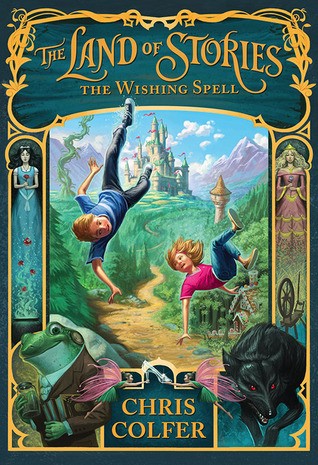


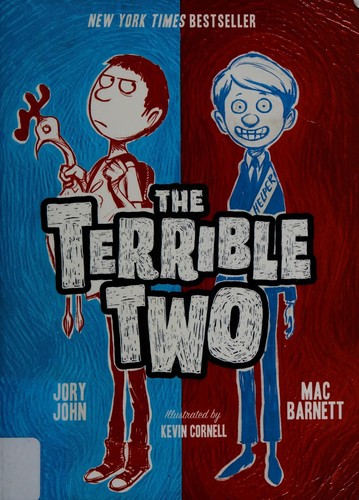


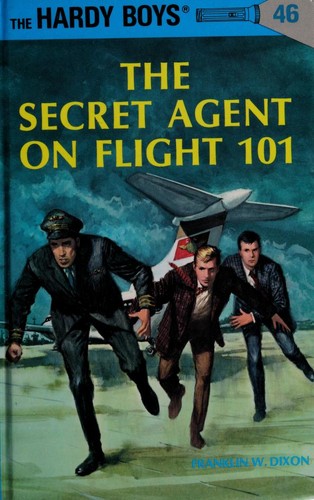
Books like Fantastic Beasts and Where to Find Them with similar intensity
Sign up to filter


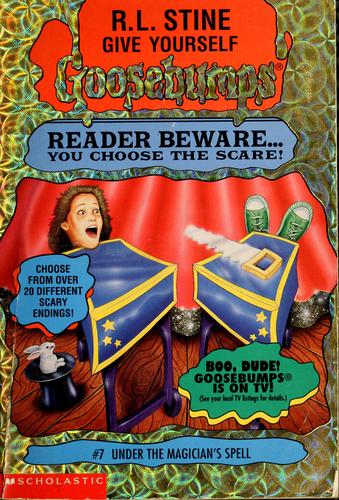


Less intense books for families
Sign up to filter





More fantasy books with parent guides
- Sunrise on the Reaping parent guide
- Kingdom of Shadow and Light parent guide
- You Did Nothing Wrong parent guide
- The Midnight Girls parent guide
- THE ESCAPE GAME parent guide
- Moon Witch, Spider King parent guide
- Eragon (The Inheritance Cycle, #1) parent guide
- Leopardstar's Honor parent guide
- The House in the Cerulean Sea (Cerulean Chronicles, #1) parent guide
- A Court of Frost and Starlight (A Court of Thorns and Roses, #4) parent guide
- The Bands of Mourning (Mistborn, #6) parent guide
- The Cruel Prince (The Folk of the Air, #1) parent guide
Reference books parents are checking
- The Hobbit, or There and Back Again parent guide
- American Gods: Tenth Anniversary (American Gods, #1) parent guide
- The Titan’s Curse (Percy Jackson and the Olympians, #3) parent guide
- The Battle of the Labyrinth (Percy Jackson and the Olympians, #4) parent guide
- City of Bones (The Mortal Instruments, #1) parent guide
- Ninth House (Alex Stern, #1) parent guide
- The complete works of the Gawain-poet parent guide
- The Bad Beginning (A Series of Unfortunate Events #1) parent guide
- Harry Potter and the Philosopher's Stone parent guide
- Harry Potter and the Sorcerer's Stone (Harry Potter, #1) parent guide
More books by J. K. Rowling
- Harry Potter parent guide
- Harry Potter and the Prisoner of Azkaban parent guide
- Harry Potter and the Chamber of Secrets parent guide
- Harry Potter and the Deathly Hallows parent guide
- Harry Potter and the Goblet of Fire parent guide
- Harry Potter and the Order of the Phoenix parent guide
- Harry Potter and the Half-Blood Prince parent guide
- Harry Potter and the Cursed Child parent guide
- Harry Potter (series) 1-7 parent guide
More books with Bontent parent guides
- The Dictionary of Lost Words parent guide
- Tall Oaks parent guide
- The Name of the Wind / The Wise Man's Fear / The Slow Regard of Silent Things (The Kingkiller Chronicle #1-2.5) parent guide
- The Martian Contingency parent guide
- Clash of star-kings parent guide
- Blake Crouch's Dark Matter parent guide
- The Bookshop on Rosemary Lane parent guide
- The Battle of the Labyrinth (Percy Jackson and the Olympians, #4) parent guide
- The motion picture chums' outdoor exhibition, or, The film that solved a mystery parent guide
- Before They Are Hanged (The First Law, #2) parent guide
- 2001: A Space Odyssey parent guide
- The man from up there parent guide
- The contemporary Negro novel parent guide
- The Christmas Stories [8 stories] parent guide
- Onyx Storm (The Empyrean, #3) parent guide
- The complete works of the Gawain-poet parent guide