
Bunnicula (1979) Parents Guide: Is the book OK for kids?
Age Rating, Sex, Violence & Language
Bunnicula: A Rabbit-Tale of Mystery is a children's novel written by Deborah Howe and James Howe, illustrated by Alan Daniel, and published by Atheneum Books in 1979. It inaugurated the Bunnicula series and Bunnicula universe. Based on a 2007 online poll, the National Education Association listed the novel as one of the "Teachers' Top 100 Books for Children." The series chronicles the adventures of the Monroe family and their pets, Harold the dog, Chester the cat, and Bunnicula the rabbit. The novels are narrated by Harold the family… Sign up for the full guide
Middle Grade • 1979 • 98 pages • Lexile 640L (roughly grades 2–3 reading difficulty)
Bunnicula is a classic middle-grade mystery that introduces the idea of the paranormal through a humorous, pet-centered lens. It earns its 8+ rating due to occasional moments of mild tension, spooky imagery (specifically white, 'bloodless' vegetables), and the somewhat obsessive behavior of the cat, Chester, who believes the family's new rabbit is a vampire. Parents should note that the story is lighthearted, with no actual gore or… Sign up for the full guide
Is Bunnicula appropriate for kids?
Bunnicula is a classic middle-grade mystery that introduces the idea of the paranormal through a humorous, pet-centered lens. It earns its 8+ rating due to occasional moments of mild tension, spooky imagery (specifically white, 'bloodless' vegetables), and the somewhat obsessive… Read more — free account
Content severity in Bunnicula
What happens in Bunnicula, moment by moment
- p. 4 🔥 Mature Themes 1/10
- p. 8 🔥 Mature Themes 1/10
- p. 12 🔥 Mature Themes 2/10
Sex and nudity in Bunnicula
The book contains no sexual content, romance, or physical intimacy of any kind. The narrative is told from the perspective of Harold, the family dog, and focuses entirely on the interactions between the Monroe family and their household pets. There are no subplots involving dating or attraction among the human characters, Mr. and Mrs. Monroe. The tone remains innocent and appropriate for a primary school audience, adhering to the standards of a classic animal adventure. The mystery of the rabbit is the sole driver…
Read more — free accountViolence and gore in Bunnicula
Violence is limited to slapstick humor and Chester the cat's misguided attempts to protect the home from what he believes is a vampire. Chester drops a piece of raw meat on Bunnicula and later attempts to use a toothpick as a stake, but the rabbit is never physically harmed or in actual pain. The most 'chilling' elements are purely visual, such as the discovery of white, 'bloodless' vegetables like zucchini and tomatoes that have been drained of their juice. Harold occasionally describes the tension of the night…
Read more — free accountLanguage in Bunnicula
The language in the book is entirely clean and suitable for all ages, with no profanity or use of deity names as exclamations. The vocabulary is sophisticated and witty, often using Harold’s deadpan humor to describe the absurdity of Chester’s behavior. There are no insults or derogatory terms used between the pets or the humans. The Monroe family children, Toby and Pete, speak respectfully to their parents and their animals. This book is a safe choice for early readers or as a family read-aloud due to its lack of…
Read more — free accountDrugs, alcohol, and smoking in Bunnicula
Substance use is virtually nonexistent and limited to brief, incidental mentions of adult habits in a domestic setting. Mr. and Mrs. Monroe are seen enjoying a glass of sherry or wine during their evening discussions about the strange occurrences in the kitchen. These moments are not depicted as a focus of the story and do not impact the plot or the safety of the children. There is no mention of smoking, illegal drugs, or any behavior related to intoxication. The focus remains on the 'vampiric' behavior of the…
Read more — free accountMature themes in Bunnicula
The central themes revolve around the dangers of jumping to conclusions and the nature of prejudice based on appearances. Chester’s paranoia represents how fear of the unknown can lead to irrational behavior and the mistreatment of others. The story also explores the responsibility of pet ownership and the bond between animals as Harold tries to balance his loyalty to Chester with his sympathy for the hungry Bunnicula. There are light elements of suspense and the supernatural, but these are balanced by the warm…
Read more — free accountFrequently Asked Questions
Is Bunnicula appropriate for kids?
Bontent's parent guide suggests Bunnicula is best for ages 8+. Bunnicula is a classic middle-grade mystery that introduces the idea of the paranormal through a humorous, pet-centered lens. It earns its 8+ rating due to occasional moments of mild tension, spooky imagery…
What age rating does Bunnicula have?
Books don't carry official age ratings. Bunnicula is published for a Middle Grade audience, and Bontent's independent parent guide recommends it for ages 8+.
What reading level is Bunnicula?
Bunnicula is 98 pages and its reading level is Lexile 640L (roughly grades 2–3 reading difficulty). Bontent recommends it for ages 8+.
What is Bunnicula about?
Bunnicula is a classic middle-grade mystery that introduces the idea of the paranormal through a humorous, pet-centered lens. It earns its 8+ rating due to occasional moments of mild tension, spooky imagery (specifically white, 'bloodless' vegetables), and the somewhat obsessive behavior of the cat, Chester, who…
Is there sex or nudity in Bunnicula?
The book contains no sexual content, romance, or physical intimacy of any kind. The narrative is told from the perspective of Harold, the family dog, and focuses entirely on the interactions between the Monroe family and their household pets. There are no…
How violent is Bunnicula?
Violence is limited to slapstick humor and Chester the cat's misguided attempts to protect the home from what he believes is a vampire. Chester drops a piece of raw meat on Bunnicula and later attempts to use a toothpick as a stake, but the rabbit is never…
Is the language in Bunnicula appropriate for kids?
The language in the book is entirely clean and suitable for all ages, with no profanity or use of deity names as exclamations. The vocabulary is sophisticated and witty, often using Harold’s deadpan humor to describe the absurdity of Chester’s behavior. There…
Are drugs, alcohol, or smoking depicted in Bunnicula?
Substance use is virtually nonexistent and limited to brief, incidental mentions of adult habits in a domestic setting. Mr. and Mrs. Monroe are seen enjoying a glass of sherry or wine during their evening discussions about the strange occurrences in the…
What mature themes appear in Bunnicula?
The central themes revolve around the dangers of jumping to conclusions and the nature of prejudice based on appearances. Chester’s paranoia represents how fear of the unknown can lead to irrational behavior and the mistreatment of others. The story also…
Where can I read the full Bunnicula parent guide?
Create a free Bontent account to unlock page-level notes, filter by your kids' ages, and save titles to your watchlist.
Parents also checked these books for 8-year-olds
Sign up to filter

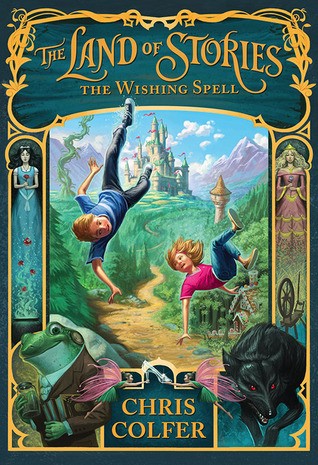




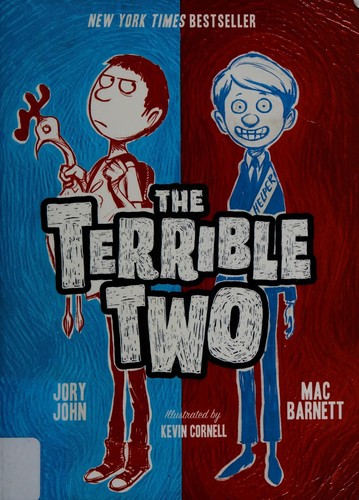


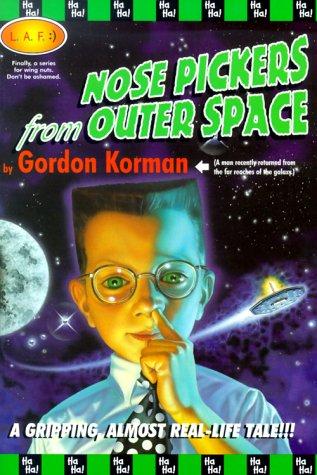


Books like Bunnicula with similar intensity
Sign up to filter


Less intense books for families
Sign up to filter



More mystery books with parent guides
- Tall Oaks parent guide
- You Did Nothing Wrong parent guide
- THE ESCAPE GAME parent guide
- Unrivaled parent guide
- Deadly Scandal parent guide
- Blake Crouch's Dark Matter parent guide
- The Secret City parent guide
- Recursion (TV series) parent guide
- The Bands of Mourning (Mistborn, #6) parent guide
- The motion picture chums' outdoor exhibition, or, The film that solved a mystery parent guide
- The Count of Monte Cristo parent guide
- The Dark Tower II: The Drawing of the Three (The Dark Tower, #2) parent guide
Middle Grade books parents are checking
- The Hobbit, or There and Back Again parent guide
- The Lightning Thief (Percy Jackson and the Olympians #1) parent guide
- Leopardstar's Honor parent guide
- The Titan’s Curse (Percy Jackson and the Olympians, #3) parent guide
- The complete works of the Gawain-poet parent guide
- The Bad Beginning (A Series of Unfortunate Events #1) parent guide
- Harry Potter and the Philosopher's Stone parent guide
- Harry Potter and the Sorcerer's Stone (Harry Potter, #1) parent guide
- The Chronicles of Narnia Set parent guide
- Hilo Book 8 parent guide
- The Maid (Molly the Maid #1) parent guide
More books by Deborah Howe
More books with Bontent parent guides
- Black Cake parent guide
- The Dictionary of Lost Words parent guide
- Just For The Cameras parent guide
- Nine Lives parent guide
- Crow parent guide
- Operation Bounce House parent guide
- Hana Khan Carries On parent guide
- Tall Oaks parent guide
- ¡Hola Papi!: How to Come Out in a Walmart Parking Lot and Other Life Lessons parent guide
- The Midnight Girls parent guide
- Moon Witch, Spider King parent guide
- Ghosted: An American Story parent guide
- The Lightning Thief (Percy Jackson and the Olympians #1) parent guide
- The Name of the Wind / The Wise Man's Fear / The Slow Regard of Silent Things (The Kingkiller Chronicle #1-2.5) parent guide
- Clash of star-kings parent guide
- The Bookshop on Rosemary Lane parent guide