![Poster for Aesop's Fables [Great Illustrated Classics adaptation]](https://covers.openlibrary.org/b/id/9627909-L.jpg)
Aesop's Fables [Great Illustrated Classics adaptation] (2000) Parents Guide: Is the book OK for kids?
Age Rating, Sex, Violence & Language
A collection of fables from Aesop.
Middle Grade • 2000 • 300 pages • Grade 3-4
This adaptation of Aesop’s Fables is designed for younger readers, providing moral lessons through anthropomorphized animals. Parents should note that while the stories are educational, several fables contain mild cartoonish violence, such as predators eating prey or animals being physically punished for their greed or trickery. The book is an excellent choice for children aged 7-12 who are transitioning into longer chapter books and… Sign up for the full guide
Is Aesop's Fables [Great Illustrated Classics adaptation] appropriate for kids?
This adaptation of Aesop’s Fables is designed for younger readers, providing moral lessons through anthropomorphized animals. Parents should note that while the stories are educational, several fables contain mild cartoonish violence, such as predators eating prey or animals… Read more — free account
Content severity in Aesop's Fables [Great Illustrated Classics adaptation]
What happens in Aesop's Fables [Great Illustrated Classics adaptation], moment by moment
- p. 12 🔥 Mature Themes 2/10
- p. 24 ⚔ Violence & Gore 4/10
- p. 40 🔥 Mature Themes 2/10
Sex and nudity in Aesop's Fables [Great Illustrated Classics adaptation]
There is no sexual content or romantic subplots present in this adaptation. The stories focus entirely on interactions between animals and human figures to convey traditional moral lessons. The focus remains on character traits and behavior rather than physical relationships. Readers will see animals and humans engaging in competition or friendship, but no physical intimacy or romantic attraction is depicted across the various short fables. The Great Illustrated Classics format ensures that the illustrations and…
Read more — free accountViolence and gore in Aesop's Fables [Great Illustrated Classics adaptation]
Violence is moderate and follows the logic of the animal kingdom and ancient folklore. Multiple fables depict predators killing or threatening prey, such as the Wolf and the Lamb, or the Stork preying upon the Frog subjects. Humans occasionally use physical force against animals, and the consequences of one's actions can be lethal, as seen when the Farmer slaughters his Golden Goose. Physical peril is a frequent plot point used to emphasize the moral stakes, such as a lion caught in a heavy hunter's net or a fox…
Read more — free accountLanguage in Aesop's Fables [Great Illustrated Classics adaptation]
This collection contains no profanity or modern slang. The text uses formal, antiquated, or purely instructional language suitable for all ages, adhering to the traditional tone of the classic fables. Words like 'foolish,' 'vain,' or 'wicked' are used to describe character traits but are never utilized as insults in a contemporary or hurtful way. The vocabulary is specifically chosen to be accessible for middle-grade readers while maintaining a literary feel. This makes the book safe for classroom reading or…
Read more — free accountDrugs, alcohol, and smoking in Aesop's Fables [Great Illustrated Classics adaptation]
This collection contains no references to alcohol, tobacco, or drug use. The fables center on the natural world and basic human interactions, ensuring the content is appropriate for the targeted young audience. No substances are mentioned even in the context of parties or dinners depicted in the stories, such as the Town Mouse and Country Mouse meal. The 'thirst' or 'hunger' mentioned in the stories is always for literal water or food like grapes or cheese. This lack of substance use reflects the ancient origins…
Read more — free accountMature themes in Aesop's Fables [Great Illustrated Classics adaptation]
Heavy focus on morality, consequences, and human nature. Common themes include greed, honesty, laziness, and the reality that life is not always fair, which may require discussion with younger readers. Some fables, like 'The Ants and the Grasshopper,' touch on the harsh reality of survival and the consequences of lack of preparation. The social hierarchies of the animal kingdom are often used as metaphors for human power dynamics, which can provide deep points of discussion for older children. Overall, the tone is…
Read more — free accountFrequently Asked Questions
Is Aesop's Fables [Great Illustrated Classics adaptation] appropriate for kids?
Bontent's parent guide suggests Aesop's Fables [Great Illustrated Classics adaptation] is best for ages 7+. This adaptation of Aesop’s Fables is designed for younger readers, providing moral lessons through anthropomorphized animals. Parents should note that while the stories are educational, several fables contain mild…
What age rating does Aesop's Fables [Great Illustrated Classics adaptation] have?
Books don't carry official age ratings. Aesop's Fables [Great Illustrated Classics adaptation] is published for a Middle Grade audience, and Bontent's independent parent guide recommends it for ages 7+.
What reading level is Aesop's Fables [Great Illustrated Classics adaptation]?
Aesop's Fables [Great Illustrated Classics adaptation] is 300 pages and its reading level is Grade 3-4. Bontent recommends it for ages 7+.
What is Aesop's Fables [Great Illustrated Classics adaptation] about?
This adaptation of Aesop’s Fables is designed for younger readers, providing moral lessons through anthropomorphized animals. Parents should note that while the stories are educational, several fables contain mild cartoonish violence, such as predators eating prey or animals being physically punished for their greed…
Is there sex or nudity in Aesop's Fables [Great Illustrated Classics adaptation]?
There is no sexual content or romantic subplots present in this adaptation. The stories focus entirely on interactions between animals and human figures to convey traditional moral lessons. The focus remains on character traits and behavior rather than…
How violent is Aesop's Fables [Great Illustrated Classics adaptation]?
Violence is moderate and follows the logic of the animal kingdom and ancient folklore. Multiple fables depict predators killing or threatening prey, such as the Wolf and the Lamb, or the Stork preying upon the Frog subjects. Humans occasionally use physical…
Is the language in Aesop's Fables [Great Illustrated Classics adaptation] appropriate for kids?
This collection contains no profanity or modern slang. The text uses formal, antiquated, or purely instructional language suitable for all ages, adhering to the traditional tone of the classic fables. Words like 'foolish,' 'vain,' or 'wicked' are used to…
Are drugs, alcohol, or smoking depicted in Aesop's Fables [Great Illustrated Classics adaptation]?
This collection contains no references to alcohol, tobacco, or drug use. The fables center on the natural world and basic human interactions, ensuring the content is appropriate for the targeted young audience. No substances are mentioned even in the context…
What mature themes appear in Aesop's Fables [Great Illustrated Classics adaptation]?
Heavy focus on morality, consequences, and human nature. Common themes include greed, honesty, laziness, and the reality that life is not always fair, which may require discussion with younger readers. Some fables, like 'The Ants and the Grasshopper,' touch…
Where can I read the full Aesop's Fables [Great Illustrated Classics adaptation] parent guide?
Create a free Bontent account to unlock page-level notes, filter by your kids' ages, and save titles to your watchlist.
Parents also checked these books for 7-year-olds
Sign up to filter
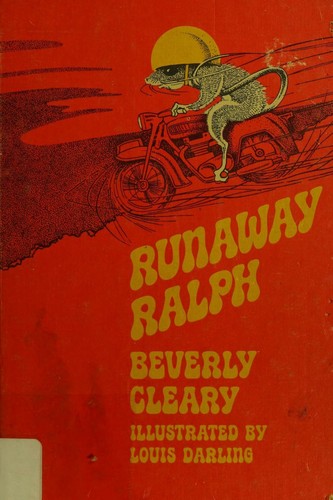


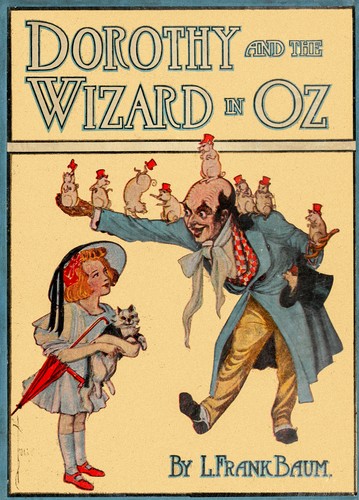


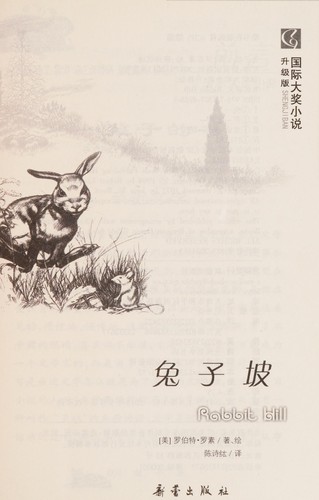


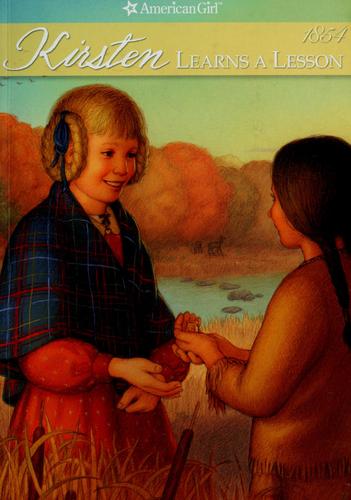




Books like Aesop's Fables [Great Illustrated Classics adaptation] with similar intensity
Sign up to filter


Less intense books for families
Sign up to filter


Middle Grade books parents are checking
- The Hobbit, or There and Back Again parent guide
- The Lightning Thief (Percy Jackson and the Olympians #1) parent guide
- The Return of the Young Prince parent guide
- Leopardstar's Honor parent guide
- The Titan’s Curse (Percy Jackson and the Olympians, #3) parent guide
- No mind of man parent guide
- The Christmas Stories [8 stories] parent guide
- The complete works of the Gawain-poet parent guide
- The Bad Beginning (A Series of Unfortunate Events #1) parent guide
- Harry Potter and the Philosopher's Stone parent guide
- Harry Potter and the Sorcerer's Stone (Harry Potter, #1) parent guide
- The Assassin's Blade (Throne of Glass, #0.1-0.5) parent guide
More books with Bontent parent guides
- Black Cake parent guide
- Just For The Cameras parent guide
- Nine Lives parent guide
- Crow parent guide
- Operation Bounce House parent guide
- Hana Khan Carries On parent guide
- Tall Oaks parent guide
- Charged parent guide
- ¡Hola Papi!: How to Come Out in a Walmart Parking Lot and Other Life Lessons parent guide
- The Midnight Girls parent guide
- The Lightning Thief (Percy Jackson and the Olympians #1) parent guide
- Unrivaled parent guide
- The Name of the Wind / The Wise Man's Fear / The Slow Regard of Silent Things (The Kingkiller Chronicle #1-2.5) parent guide
- The Martian Contingency parent guide
- Clash of star-kings parent guide
- Deadly Scandal parent guide