
Through the Looking-Glass (1865) Parents Guide: Is the book OK for kids?
Age Rating, Sex, Violence & Language
*Through the Looking-Glass, and What Alice Found There* (1871) is a work of children's literature by Lewis Carroll (Charles Lutwidge Dodgson), generally categorized in the fairy tale genre. It is the sequel to *Alice's Adventures in Wonderland* (1865). Although it makes no reference to the events in the earlier book, the themes and settings of *Through the Looking-Glass* make it a kind of mirror image of Wonderland: the first book begins outdoors, in the warm month of May, uses frequent changes in size as a plot device, and draws on… Sign up for the full guide
Middle Grade • 1865 • 176 pages • Lexile 750L (roughly grades 4–5 reading difficulty)
This classic sequel to Alice's Adventures in Wonderland is a whimsical, surreal adventure suitable for readers of almost any age, though its logic puzzles and wordplay are best appreciated by those 8 and older. While the book is largely innocent, it features iconic scenes of mild fantasy peril, nonsensical combat, and the famous 'Jabberwocky' poem which describes a monster being slain. There are no concerns regarding sexual content… Sign up for the full guide
Is Through the Looking-Glass appropriate for kids?
This classic sequel to Alice's Adventures in Wonderland is a whimsical, surreal adventure suitable for readers of almost any age, though its logic puzzles and wordplay are best appreciated by those 8 and older. While the book is largely innocent, it features iconic scenes of… Read more — free account
Content severity in Through the Looking-Glass
What happens in Through the Looking-Glass, moment by moment
- p. 4 🔥 Mature Themes 1/10
- p. 12 ⚔ Violence & Gore 3/10
- p. 20 🔥 Mature Themes 1/10
Sex and nudity in Through the Looking-Glass
There is no sexual or romantic content present in this story. The narrative focuses entirely on Alice's whimsical journey through a dreamlike landscape where she encounters various logic puzzles and strange characters. The tone remains completely innocent and suitable for young children, focusing on curiosity rather than physical attraction. Even the interaction between the White King and Queen is strictly formal and based on chess roles. This absence of romantic themes makes it a staple for early primary grade…
Read more — free accountViolence and gore in Through the Looking-Glass
Limited to mild, abstract fantasy violence and slapstick. Examples include the poem describing the Jabberwock's decapitation and the clumsy, non-lethal joust between the White Knight and the Red Knight. A crow's arrival causes immense fear for Tweedledee and Tweedledum, though no physical harm occurs. The Red Queen frequently shouts orders, but unlike the Queen of Hearts in the first book, she does not demand executions. The physical comedy of characters falling off horses or bumping into walls defines the action…
Read more — free accountLanguage in Through the Looking-Glass
None. The text uses Victorian English and invented nonsense words, but no profanity or vulgarity is present throughout the 98 pages. Characters like Humpty Dumpty engage in wordplay that redefines common terms, such as 'glory' meaning a 'knock-down argument,' but the intent is never offensive. The most aggressive language is found in the poem 'Jabberwocky,' which uses portmanteaus to describe a dark forest. Parents can feel entirely comfortable with the vocabulary, which serves to enrich a child's understanding of…
Read more — free accountDrugs, alcohol, and smoking in Through the Looking-Glass
None. While the characters attend a surreal banquet and Alice interacts with food items like a leg of mutton, there is no mention of alcohol or drugs. The 'Drink Me' potions from the first book are absent here, replaced by dry biscuits and metaphorical eating. In the garden, the flowers are sentient, but there is no implication of hallucinogenic properties or substance misuse. The narrative remains grounded in a child's perspective of a tea party or a formal dinner gone wrong.
Mature themes in Through the Looking-Glass
The story explores complex themes of logic, the rules of games (specifically chess), the transition from childhood to adulthood, and the subjective nature of reality and dreams. Alice struggles to maintain her identity as she moves through the squares of the chessboard, dealing with the existential dread of being just a figure in the Red King's dream. The text invites readers to question the structure of language and the permanence of one's own memory. Ultimately, the book serves as a philosophical reflection on…
Read more — free accountFrequently Asked Questions
Is Through the Looking-Glass appropriate for kids?
Bontent's parent guide suggests Through the Looking-Glass is best for ages 8+. This classic sequel to Alice's Adventures in Wonderland is a whimsical, surreal adventure suitable for readers of almost any age, though its logic puzzles and wordplay are best appreciated by those 8 and older. While…
What age rating does Through the Looking-Glass have?
Books don't carry official age ratings. Through the Looking-Glass is published for a Middle Grade audience, and Bontent's independent parent guide recommends it for ages 8+.
What reading level is Through the Looking-Glass?
Through the Looking-Glass is 176 pages and its reading level is Lexile 750L (roughly grades 4–5 reading difficulty). Bontent recommends it for ages 8+.
What is Through the Looking-Glass about?
This classic sequel to Alice's Adventures in Wonderland is a whimsical, surreal adventure suitable for readers of almost any age, though its logic puzzles and wordplay are best appreciated by those 8 and older. While the book is largely innocent, it features iconic scenes of mild fantasy peril, nonsensical combat, and…
Is there sex or nudity in Through the Looking-Glass?
There is no sexual or romantic content present in this story. The narrative focuses entirely on Alice's whimsical journey through a dreamlike landscape where she encounters various logic puzzles and strange characters. The tone remains completely innocent and…
How violent is Through the Looking-Glass?
Limited to mild, abstract fantasy violence and slapstick. Examples include the poem describing the Jabberwock's decapitation and the clumsy, non-lethal joust between the White Knight and the Red Knight. A crow's arrival causes immense fear for Tweedledee and…
Is the language in Through the Looking-Glass appropriate for kids?
None. The text uses Victorian English and invented nonsense words, but no profanity or vulgarity is present throughout the 98 pages. Characters like Humpty Dumpty engage in wordplay that redefines common terms, such as 'glory' meaning a 'knock-down argument,'…
Are drugs, alcohol, or smoking depicted in Through the Looking-Glass?
None. While the characters attend a surreal banquet and Alice interacts with food items like a leg of mutton, there is no mention of alcohol or drugs. The 'Drink Me' potions from the first book are absent here, replaced by dry biscuits and metaphorical…
What mature themes appear in Through the Looking-Glass?
The story explores complex themes of logic, the rules of games (specifically chess), the transition from childhood to adulthood, and the subjective nature of reality and dreams. Alice struggles to maintain her identity as she moves through the squares of the…
Where can I read the full Through the Looking-Glass parent guide?
Create a free Bontent account to unlock page-level notes, filter by your kids' ages, and save titles to your watchlist.
Parents also checked these books for 8-year-olds
Sign up to filter


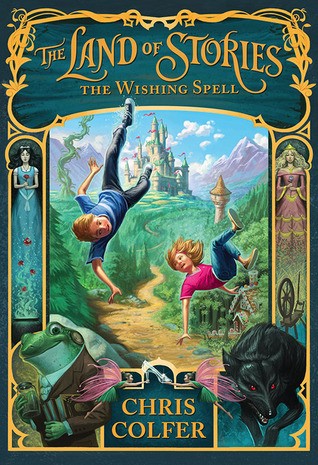


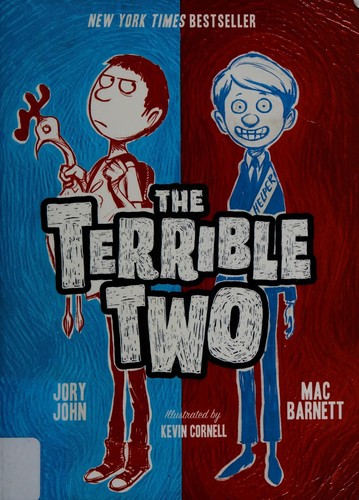


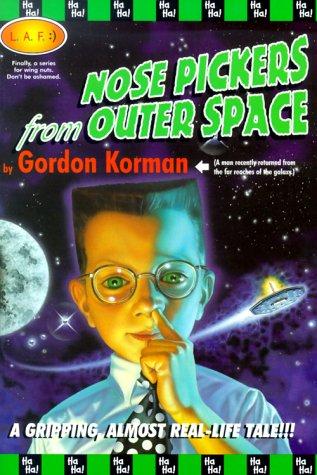


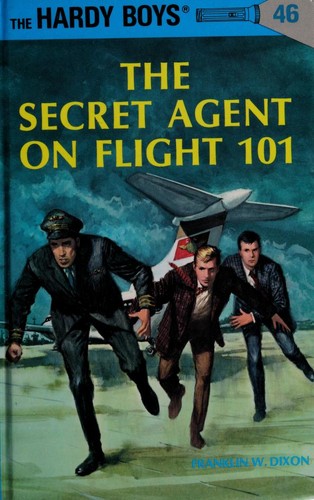

Books like Through the Looking-Glass with similar intensity
Sign up to filter


More fantasy books with parent guides
- Sunrise on the Reaping parent guide
- Kingdom of Shadow and Light parent guide
- You Did Nothing Wrong parent guide
- The Midnight Girls parent guide
- THE ESCAPE GAME parent guide
- Moon Witch, Spider King parent guide
- Eragon (The Inheritance Cycle, #1) parent guide
- Leopardstar's Honor parent guide
- The House in the Cerulean Sea (Cerulean Chronicles, #1) parent guide
- A Court of Frost and Starlight (A Court of Thorns and Roses, #4) parent guide
- The Bands of Mourning (Mistborn, #6) parent guide
- The Cruel Prince (The Folk of the Air, #1) parent guide
Portal Fantasy books parents are checking
- Scottish lliterature parent guide
- The Bad Beginning (A Series of Unfortunate Events #1) parent guide
- The Chronicles of Narnia Set parent guide
- The Wind-Up Bird Chronicle parent guide
- Daughter of Smoke & Bone (Daughter of Smoke & Bone, #1) parent guide
- Fablehaven (Fablehaven, #1) parent guide
- Northern Lights parent guide
- Alice's Adventures in Wonderland parent guide
- A Wrinkle in Time parent guide
- The Wonderful Wizard of Oz parent guide
- The Wizard of Oz parent guide
- The Land: Founding (Chaos Seeds, #1) parent guide
More books by Lewis Carroll
- Alice's Adventures in Wonderland / Through the Looking Glass parent guide
- Alice in Wonderland parent guide
- Alice in Wonderland in Five Acts parent guide
- Alice's Adventures in Wonderland / Through the Looking-Glass / The Hunting of the Snark parent guide
- A Custom Edition of Classics of Children's Literature -- Fourth Edition parent guide
More books with Bontent parent guides
- Sunrise on the Reaping parent guide
- Tall Oaks parent guide
- Blake Crouch's Dark Matter parent guide
- The ballad of the hundred days parent guide
- The motion picture chums' outdoor exhibition, or, The film that solved a mystery parent guide
- The 48 Laws of Power parent guide
- The contemporary Negro novel parent guide
- The Dark Tower II: The Drawing of the Three (The Dark Tower, #2) parent guide
- A century of the English novel parent guide
- Harry Potter parent guide
- Harry Potter and the Sorcerer's Stone (Harry Potter, #1) parent guide
- Arena 13 parent guide
- The Subtle Art of Not Giving a F*ck parent guide
- The Maid: A Novel (Molly the Maid, #1) parent guide
- The Collapsing Empire (The Interdependency, #1) parent guide
- The City of Brass (The Daevabad Trilogy, #1) parent guide