
The Meanest Thing to Say (1997) Parents Guide: Is the book OK for kids?
Age Rating, Sex, Violence & Language
The Meanest Thing to Say is best for ages 5+ according to Bontent's parent guide. The strongest content in this book is themes at 3/10 (moderate) and language at 2/10 (mild). Below you'll find severity scores out of 10 for every category plus the moments parents ask about most.
Picture Book • 1997 • 39 pages • Grade 2-3
The Meanest Thing to Say is a gentle educational story for early elementary students that addresses the impact of bullying and mean-spirited language. It focuses on how peer pressure in a classroom setting can encourage negative behavior and provides a constructive model for choosing kindness instead. Parents should note this book serves as a social-emotional learning tool, making it highly appropriate for children ages 5-8.
Is The Meanest Thing to Say appropriate for kids?
The Meanest Thing to Say is a gentle educational story for early elementary students that addresses the impact of bullying and mean-spirited language. It focuses on how peer pressure in a classroom setting can encourage negative behavior and provides a constructive model for… Read more — free account
Content severity in The Meanest Thing to Say
What happens in The Meanest Thing to Say, moment by moment
- p. 10 🔥 Mature Themes 1/10
- p. 22 💬 Language 1/10
- p. 35 🔥 Mature Themes 2/10
Sex and nudity in The Meanest Thing to Say
There is no sexual content in this book, as it is a standard children's picture book focused on social behavior in a school setting. The narrative remains strictly G-rated throughout the story, reflecting a wholesome educational environment for early readers. No themes of romance, attraction, or physical intimacy are depicted or even alluded to by the second-grade characters. Little Bill and his classmates focus entirely on friendship and playground games. Parents can be assured that the content is completely…
Read more — free accountViolence and gore in The Meanest Thing to Say
The book contains no physical violence or aggressive combat, maintaining a safe atmosphere for young children. Conflict is limited entirely to verbal disagreements and the peer pressure to say mean things to classmates during a competitive game. Little Bill experiences internal stress regarding social standing, but no one is pushed, hit, or physically threatened. The resolution is entirely peaceful and emphasizes verbal communication and empathy over any form of physical confrontation or escalation. The focus…
Read more — free accountLanguage in The Meanest Thing to Say
The language is age-appropriate and contains no profanity, slurs, or coarse speech that would be unsuitable for a school setting. While characters engage in a 'mean game' involving insults, the insults themselves remain mild and typical of elementary school disputes, such as calling things 'stupid' or 'dumb.' The focus of the book is on teaching children to reject unkind words in favor of building positive relationships. The vocabulary is simple and accessible, designed to help children identify the difference…
Read more — free accountDrugs, alcohol, and smoking in The Meanest Thing to Say
There is no substance use depicted in this book, staying true to its focus on a second-grade classroom experience. Alcohol, tobacco, and drugs are absent from the narrative entirely, and characters are never shown in environments where these would be present. The story focuses exclusively on the social dynamics of the school playground, lunchroom, and classroom environment. Even adult characters like the teacher are portrayed in purely professional, supportive roles. The narrative is centered on emotional health…
Read more — free accountMature themes in The Meanest Thing to Say
The central theme is social-emotional development, specifically the challenges of resisting peer pressure and standing up against bullying behavior. Little Bill serves as a mentor figure for his peers by demonstrating that choosing kindness is more rewarding than participating in cruel games suggested by Michael. The book explores the concepts of empathy, decision-making, and the importance of integrity when dealing with new classmates. By showing Little Bill's internal struggle, the story teaches children that…
Read more — free accountFrequently Asked Questions
Is The Meanest Thing to Say appropriate for kids?
Bontent's parent guide suggests The Meanest Thing to Say is best for ages 5+. The Meanest Thing to Say is a gentle educational story for early elementary students that addresses the impact of bullying and mean-spirited language. It focuses on how peer pressure in a classroom setting can encourage…
What age rating does The Meanest Thing to Say have?
Books don't carry official age ratings. The Meanest Thing to Say is published for a Picture Book audience, and Bontent's independent parent guide recommends it for ages 5+.
What reading level is The Meanest Thing to Say?
The Meanest Thing to Say is 39 pages and its reading level is Grade 2-3. Bontent recommends it for ages 5+.
What is The Meanest Thing to Say about?
The Meanest Thing to Say is a gentle educational story for early elementary students that addresses the impact of bullying and mean-spirited language. It focuses on how peer pressure in a classroom setting can encourage negative behavior and provides a constructive model for choosing kindness instead. Parents should…
Is there sex or nudity in The Meanest Thing to Say?
There is no sexual content in this book, as it is a standard children's picture book focused on social behavior in a school setting. The narrative remains strictly G-rated throughout the story, reflecting a wholesome educational environment for early readers…
How violent is The Meanest Thing to Say?
The book contains no physical violence or aggressive combat, maintaining a safe atmosphere for young children. Conflict is limited entirely to verbal disagreements and the peer pressure to say mean things to classmates during a competitive game. Little Bill…
Is the language in The Meanest Thing to Say appropriate for kids?
The language is age-appropriate and contains no profanity, slurs, or coarse speech that would be unsuitable for a school setting. While characters engage in a 'mean game' involving insults, the insults themselves remain mild and typical of elementary school…
Are drugs, alcohol, or smoking depicted in The Meanest Thing to Say?
There is no substance use depicted in this book, staying true to its focus on a second-grade classroom experience. Alcohol, tobacco, and drugs are absent from the narrative entirely, and characters are never shown in environments where these would be present…
What mature themes appear in The Meanest Thing to Say?
The central theme is social-emotional development, specifically the challenges of resisting peer pressure and standing up against bullying behavior. Little Bill serves as a mentor figure for his peers by demonstrating that choosing kindness is more rewarding…
Where can I read the full The Meanest Thing to Say parent guide?
Create a free Bontent account to unlock page-level notes, filter by your kids' ages, and save titles to your watchlist.
Parents also checked these books for 5-year-olds
Sign up to filter


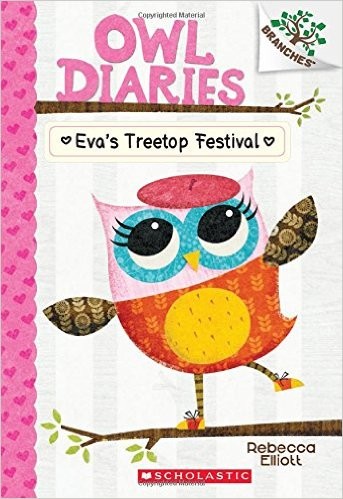
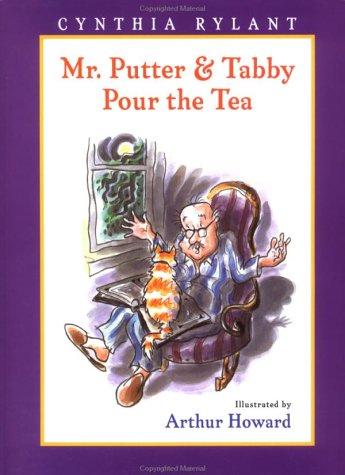
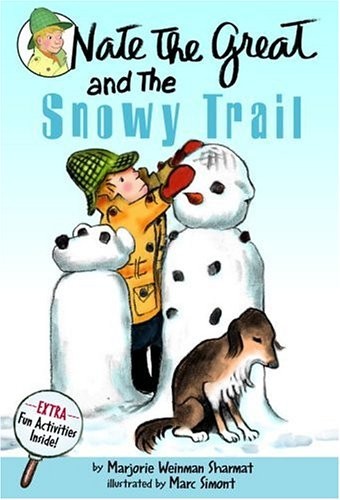
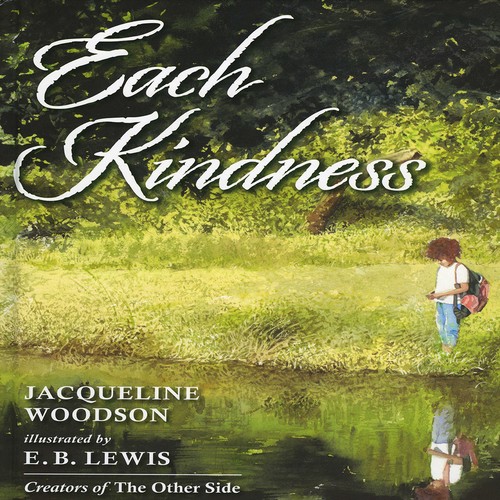





Books like The Meanest Thing to Say with similar intensity
Sign up to filter


More books with Bontent parent guides
- Tall Oaks parent guide
- Charged parent guide
- The Midnight Girls parent guide
- Charlie the Choo-Choo parent guide
- The Name of the Wind / The Wise Man's Fear / The Slow Regard of Silent Things (The Kingkiller Chronicle #1-2.5) parent guide
- The Martian Contingency parent guide
- Blake Crouch's Dark Matter parent guide
- The Bookshop on Rosemary Lane parent guide
- Atomic Habits: An Easy & Proven Way to Build Good Habits & Break Bad Ones parent guide
- The ballad of the hundred days parent guide
- The motion picture chums' outdoor exhibition, or, The film that solved a mystery parent guide
- 2001: A Space Odyssey parent guide
- Blood of Elves (The Witcher, #1) parent guide
- The Christmas Stories [8 stories] parent guide
- A century of the English novel parent guide
- Harry Potter and the Sorcerer's Stone (Harry Potter, #1) parent guide