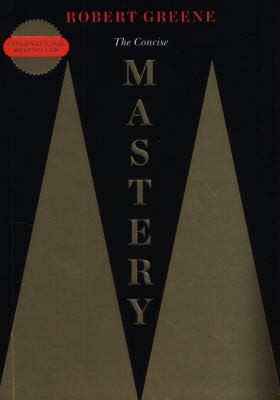
Mastery (2012) Parents Guide: Is the book OK for kids?
Age Rating, Sex, Violence & Language
Robert Greene, the "modern Machiavelli" debunks the prevailing mythology of success and presents a radical new way to greatness.
Adult • 2012 • 408 pages • Professional/College Prep
Mastery is a non-fiction self-improvement book that explores the paths of historical and contemporary masters to define the process of attaining professional excellence. The book is intellectually dense and intended for older teenagers and adults seeking career or creative guidance. Parents should note mentions of historical violence, some mild profanity in quotes, and references to historical figures' personal vices, though the focus… Sign up for the full guide
Is Mastery appropriate for kids?
Mastery is a non-fiction self-improvement book that explores the paths of historical and contemporary masters to define the process of attaining professional excellence. The book is intellectually dense and intended for older teenagers and adults seeking career or creative… Read more — free account
Content severity in Mastery
What happens in Mastery, moment by moment
- p. 25 🔥 Mature Themes 2/10
- p. 42 🔥 Mature Themes 2/10
- p. 62 ⚔ Violence & Gore 4/10
Sex and nudity in Mastery
The book contains no graphic sexual content. There are occasional references to historical figures' relationships or brief mentions of seduction as a psychological tactic, but these are academic and non-descriptive. Robert Greene explores how historical masters like Leonardo da Vinci or Benjamin Franklin navigated social dynamics, occasionally touching upon their personal lives without detailing physical acts. The use of 'seduction' is primarily metaphorical, referring to the charisma required to influence others…
Read more — free accountViolence and gore in Mastery
Violence is discussed in a historical and biographical context. This includes accounts of boxing matches, wartime experiences, and the harsh realities faced by historical figures like Leonardo da Vinci or Napoleon, sometimes involving descriptions of injuries or death. The text describes the physical dangers of exploration in the 19th century and the grueling nature of certain trades. In the case of boxer Freddie Roach, the neurological effects of physical trauma are mentioned as a consequence of his career. These…
Read more — free accountLanguage in Mastery
Language is generally sophisticated and professional. There are occasional instances of mild to moderate profanity, including 'damn,' 'hell,' and the 'f-word' usually relegated to direct quotes from historical subjects or contemporary interviewees. These words are used to convey the raw intensity or frustration of a master's journey rather than for shock value. For example, during a discussion on the pressures of a high-stakes laboratory, a scientist's unfiltered reaction is quoted. The author himself uses a…
Read more — free accountDrugs, alcohol, and smoking in Mastery
References to substances are limited to historical accounts of figures using alcohol or opium for pain or social purposes. These are presented as biographical facts rather than encouraged behaviors. The text might mention a chemist's exposure to hazardous vapors or a historical figure's reliance on medicinal laudanum common to their era. Alcohol is occasionally mentioned as a social lubricant in intellectual salons or bars where masters gathered to exchange ideas. There are no descriptions of recreational drug use…
Read more — free accountMature themes in Mastery
The book heavily explores themes of intense focus, social intelligence, the mentor-apprentice relationship, and the necessity of failure. It addresses the 'Dark Side' of human nature, including envy and sabotage, in the context of professional environments. Greene highlights the psychological toll of the 'Creative-Active' phase and the existential dread that can accompany a lack of purpose. Specific sections detail how masters like Temple Grandin overcame social barriers or how others dealt with the betrayal of…
Read more — free accountFrequently Asked Questions
Is Mastery appropriate for kids?
Bontent's parent guide suggests Mastery is best for ages 16+. Mastery is a non-fiction self-improvement book that explores the paths of historical and contemporary masters to define the process of attaining professional excellence. The book is intellectually dense and intended for…
What age rating does Mastery have?
Books don't carry official age ratings. Mastery is shelved by its publisher as Adult, but that's a marketing category, not a content rating — Bontent's own review of what's actually on the page puts it at ages 16+.
What reading level is Mastery?
Mastery is 408 pages and its reading level is Professional/College Prep. Bontent recommends it for ages 16+.
What is Mastery about?
Mastery is a non-fiction self-improvement book that explores the paths of historical and contemporary masters to define the process of attaining professional excellence. The book is intellectually dense and intended for older teenagers and adults seeking career or creative guidance. Parents should note mentions of…
Is there sex or nudity in Mastery?
The book contains no graphic sexual content. There are occasional references to historical figures' relationships or brief mentions of seduction as a psychological tactic, but these are academic and non-descriptive. Robert Greene explores how historical…
How violent is Mastery?
Violence is discussed in a historical and biographical context. This includes accounts of boxing matches, wartime experiences, and the harsh realities faced by historical figures like Leonardo da Vinci or Napoleon, sometimes involving descriptions of injuries…
Is the language in Mastery appropriate for kids?
Language is generally sophisticated and professional. There are occasional instances of mild to moderate profanity, including 'damn,' 'hell,' and the 'f-word' usually relegated to direct quotes from historical subjects or contemporary interviewees. These…
Are drugs, alcohol, or smoking depicted in Mastery?
References to substances are limited to historical accounts of figures using alcohol or opium for pain or social purposes. These are presented as biographical facts rather than encouraged behaviors. The text might mention a chemist's exposure to hazardous…
What mature themes appear in Mastery?
The book heavily explores themes of intense focus, social intelligence, the mentor-apprentice relationship, and the necessity of failure. It addresses the 'Dark Side' of human nature, including envy and sabotage, in the context of professional environments…
Where can I read the full Mastery parent guide?
Create a free Bontent account to unlock page-level notes, filter by your kids' ages, and save titles to your watchlist.
Less intense books for families
Sign up to filter








Personal Development books parents are checking
- Atomic Habits: An Easy & Proven Way to Build Good Habits & Break Bad Ones parent guide
- Atomic Habits parent guide
- Rich Dad, Poor Dad parent guide
- The Subtle Art of Not Giving a F*ck parent guide
- Think and Grow Rich parent guide
- Control Your Mind and Master Your Feelings parent guide
- Four Thousand Weeks: Time Management for Mortals parent guide
- How To Win Friends and Influence People parent guide
- Essentialism: The Disciplined Pursuit of Less parent guide
- The Psychology of Money parent guide
- Steal Like an Artist: 10 Things Nobody Told You About Being Creative parent guide
- Cultish: The Language of Fanaticism parent guide
More books by Robert Greene
More books with Bontent parent guides
- Tall Oaks parent guide
- The Midnight Girls parent guide
- Charlie the Choo-Choo parent guide
- The Name of the Wind / The Wise Man's Fear / The Slow Regard of Silent Things (The Kingkiller Chronicle #1-2.5) parent guide
- Clash of star-kings parent guide
- Blake Crouch's Dark Matter parent guide
- The Bookshop on Rosemary Lane parent guide
- Atomic Habits: An Easy & Proven Way to Build Good Habits & Break Bad Ones parent guide
- The ballad of the hundred days parent guide
- The contemporary Negro novel parent guide
- The Christmas Stories [8 stories] parent guide
- The Dark Tower II: The Drawing of the Three (The Dark Tower, #2) parent guide
- Onyx Storm (The Empyrean, #3) parent guide
- A century of the English novel parent guide
- Harry Potter parent guide
- 6 great short novels of science fiction parent guide